

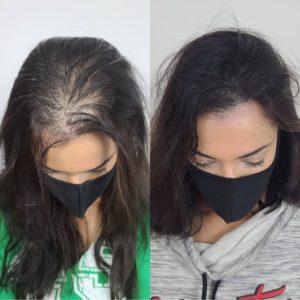

A receding hairline is one of the most noticeable signs of hair loss. As the hairline gradually moves backward, the forehead may appear larger and the overall hairstyle can become more difficult to maintain. Although hair restoration procedures and other treatments are available, some people prefer a non-surgical cosmetic approach.
Scalp micropigmentation is one option that can help create the appearance of a more defined hairline. By placing tiny pigment impressions into the scalp, the treatment can replicate the visual effect of closely shaved hair follicles. It does not regrow hair, but it can improve the appearance of areas affected by recession.
What Causes a Receding Hairline?
A receding hairline can occur for several reasons. Genetics are a common factor, particularly in pattern hair loss. Hormonal changes, aging, certain medical conditions, and other factors may also contribute to changes in hair density.
The pattern and speed of recession vary from person to person. Some individuals experience gradual thinning around the temples, while others notice a more significant change across the frontal hairline.
Before choosing a cosmetic procedure, it can be helpful to understand why the hairline is changing. Anyone experiencing sudden or unusual hair loss should consider consulting a qualified healthcare professional to identify potential underlying causes.
How Scalp Micropigmentation Works for Receding Hairlines
Scalp micropigmentation uses specialized equipment to deposit small amounts of pigment into the scalp. The practitioner carefully controls the placement and spacing of these impressions to create the appearance of natural hair follicles.
For a receding hairline, the treatment can focus on the temples and frontal scalp. The practitioner may design a new visual boundary that blends with the existing hair pattern.
The goal is not simply to draw a line across the forehead. A natural-looking result requires careful attention to facial proportions, existing hair density, skin tone, and the direction of the surrounding hair.
Designing a Natural-Looking Hairline
Hairline design is one of the most important aspects of treatment. A hairline that is too low, too straight, or too symmetrical may look unnatural.
During the consultation, the practitioner should discuss the shape and position that best suit your features. A softer, slightly irregular follicle pattern can help imitate the natural appearance of real hair.
The temples also require careful planning. Because recession often begins in this area, blending the pigment into the existing hair can create a smoother transition between treated and untreated sections.
What Happens During Treatment?
Treatment generally begins with scalp preparation and confirmation of the agreed hairline design. The practitioner then uses specialized equipment to create individual pigment impressions.
The work may be completed over several sessions. This allows the practitioner to gradually develop density and make adjustments based on how the scalp responds.
The duration of each appointment depends on the size of the treatment area and the amount of work required. Someone with mild recession may require less coverage than someone with extensive frontal hair loss.
What Results Can You Expect?
The primary benefit of scalp micropigmentation for a receding hairline is a change in visual appearance. The pigment can make the frontal scalp look more defined and reduce the contrast between the scalp and surrounding hair.
People with some remaining hair may use the treatment to create a fuller-looking appearance around thinning areas. Individuals with more advanced hair loss may choose a closely shaved hairstyle, with pigmentation creating the appearance of follicle density.
Results vary based on skin type, hair-loss pattern, pigment selection, technique, and practitioner experience. It is important to understand that the procedure is cosmetic and does not cause new hair follicles to grow.
Healing and Aftercare
After treatment, the scalp may temporarily appear darker than the desired final result. Mild redness or sensitivity can also occur.
Your practitioner should provide specific aftercare instructions. These may include recommendations about washing the scalp, exercise, sweating, sun exposure, and products during the initial healing period.
Following these instructions carefully can help the treated area recover properly. Avoid scratching or picking at the scalp, even if you experience temporary irritation.
As the scalp heals, the pigment typically settles and becomes softer in appearance. The final result should be assessed after the recommended healing period rather than immediately following treatment.
How Long Does It Last?
The results of scalp micropigmentation are long-lasting but can gradually fade. Sun exposure, skin changes, lifestyle, and individual characteristics can affect how quickly the pigment loses intensity.
Maintenance sessions may eventually be recommended to refresh the appearance. Protecting the scalp from excessive sun exposure can also be useful for preserving the treatment.
Choosing a Qualified Practitioner
Selecting an experienced practitioner is essential when treating a receding hairline. Look for someone who can demonstrate consistent results, particularly healed examples involving similar hair-loss patterns.
During your consultation, ask about pigment choices, hairline design, treatment sessions, aftercare, maintenance, and possible risks. A reputable professional should be willing to explain what the procedure can and cannot achieve.
Final Thoughts
A receding hairline can have a significant effect on someone's appearance and confidence. Scalp micropigmentation offers a non-surgical cosmetic way to create the appearance of a more defined hairline and fuller-looking frontal scalp.
The best results depend on realistic expectations, personalized hairline design, appropriate pigment selection, skilled application, and proper aftercare. While it does not restore biological hair growth, it can provide a carefully planned visual improvement for people looking for an alternative to surgical hair restoration.
For more information visit Royal Hair Transplant clinic in islamabad
