


Is Rhinoplasty Suitable for Every Nose Shape?
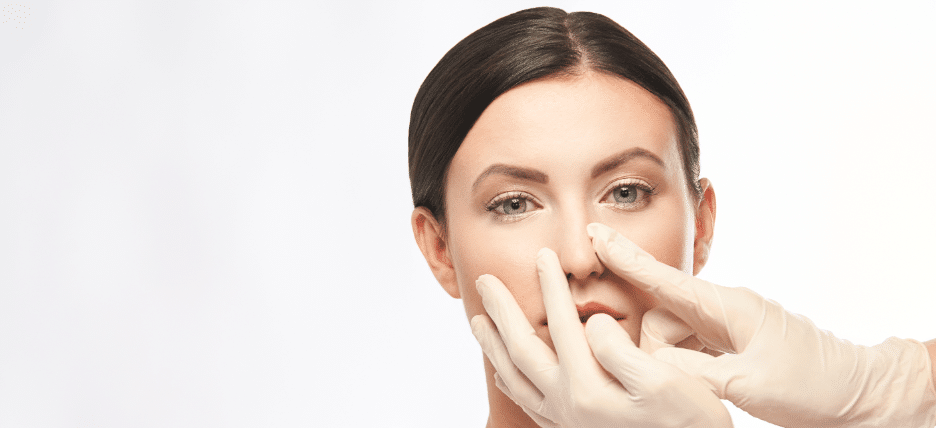
People often wonder whether their particular nose shape can be changed through surgery or whether certain features make them unsuitable candidates. Rhinoplasty Dubai is a commonly considered option for people seeking structural or aesthetic changes to the nose, and Dynamic Clinic in Dubai provides an advertorial context for those exploring this procedure. However, suitability is not determined by nose shape alone. Skin thickness, nasal structure, breathing function, facial proportions, general health, and personal expectations all influence whether rhinoplasty is appropriate.
Does Nose Shape Determine Rhinoplasty Suitability?
No. There is no single nose shape that automatically qualifies or disqualifies someone from rhinoplasty. The procedure can address a wide range of structural and aesthetic concerns when the changes are medically appropriate and technically achievable.
Common nose characteristics considered during assessment include:
- A prominent or dorsal nasal hump
- A wide or narrow nasal bridge
- A broad nasal tip
- A drooping or downward-pointing tip
- An upturned or asymmetrical nose
- A crooked or deviated nose
- Uneven nostrils
- Excessive or limited nasal projection
- Proportional concerns between the nose and other facial features
The goal is not to make every nose look the same. A well-planned procedure considers the person's existing anatomy and creates changes that remain balanced with their facial structure.
How Does Nasal Anatomy Affect the Procedure?
The underlying framework of the nose plays an important role in surgical planning. Rhinoplasty may involve changes to bone, cartilage, soft tissue, or a combination of these structures.
A nose with strong cartilage may respond differently from one with weaker or thinner cartilage. Previous trauma, earlier nasal surgery, or a deviated septum can also affect the surgical approach.
This is why two people requesting similar changes may require completely different techniques. An individualized assessment helps determine what can realistically be modified while preserving nasal support and function.
What About Different Skin Thicknesses?
Skin thickness is another important consideration. It can influence how clearly structural changes become visible after surgery.
Thin Skin
Thin nasal skin may reveal small changes in the underlying cartilage and bone more clearly. It can therefore require careful refinement to maintain smooth contours.
Thick Skin
Thicker skin can make subtle structural changes less visible and may take longer to settle after surgery. Tip definition can be particularly challenging when the soft tissue envelope is thick.
Neither skin type automatically prevents rhinoplasty. Instead, it affects surgical planning and the type of result that can reasonably be expected.
Can Rhinoplasty Correct an Asymmetrical Nose?
Rhinoplasty can address certain forms of nasal asymmetry, but complete symmetry is not always realistic. Natural facial features are rarely perfectly symmetrical, and differences may remain after healing.
Asymmetry can involve the bridge, tip, nostrils, or overall alignment. When the nose is crooked because of structural issues or previous injury, treatment may require more extensive reshaping than a purely cosmetic adjustment.
A realistic treatment plan focuses on improving balance rather than promising mathematical perfection.
Is Rhinoplasty Suitable for a Wide Nose?
A wider nose can sometimes be refined by modifying the nasal bones, cartilage, tip structure, or nostril area, depending on the reason for the width.
However, narrowing the nose too aggressively can interfere with structural support or breathing. The appropriate approach depends on whether the width comes mainly from bone, cartilage, soft tissue, or the relationship between different nasal structures.
Can a Short or Long Nose Be Reshaped?
Both short and long noses may be candidates for rhinoplasty, although the techniques can differ significantly.
A short nose may require structural support or controlled lengthening, while a long nose may be adjusted through changes to the tip, cartilage, or other supporting structures. Functional considerations remain important because the nose must continue to support normal airflow.
When Might Rhinoplasty Not Be Appropriate?
A particular nose shape is rarely the only reason someone may not be suitable. Other factors can influence candidacy, including:
- Unrealistic expectations about the final appearance
- Certain uncontrolled medical conditions
- Insufficient healing capacity
- Active nasal or skin problems
- Recent changes in nasal structure
- Lack of physical or emotional readiness for surgery
- A desire for changes that cannot be achieved safely
A qualified medical assessment is necessary before deciding whether surgery is appropriate.
What Should You Expect From a Rhinoplasty Assessment?
An assessment should look beyond photographs or a single facial feature. A comprehensive evaluation may consider:
- Nasal structure: Bone, cartilage, septum, and soft tissue are assessed.
- Breathing: Existing functional problems may influence the treatment plan.
- Facial proportions: The nose is evaluated in relation to the chin, cheeks, eyes, and overall profile.
- Skin characteristics: Thickness and elasticity can affect the visible outcome.
- Expectations: Desired changes are discussed alongside realistic limitations.
- Medical history: Previous injuries, surgeries, medications, and relevant health factors may need consideration.
This approach helps ensure that aesthetic goals do not compromise nasal function.
Is Every Nose Shape Suitable for the Same Rhinoplasty Technique?
No. Rhinoplasty is highly individualized. A person with a dorsal hump may need a different surgical strategy from someone seeking tip refinement, while a crooked nose may require structural correction.
Modern rhinoplasty planning may involve techniques such as cartilage reshaping, bone modification, tip refinement, septal correction, or grafting when additional support is needed. The selected approach depends on anatomy rather than a standard template.
What Is the Most Important Factor?
The most important consideration is whether the desired change can be achieved safely while maintaining appropriate nasal structure and function. A suitable candidate should understand that rhinoplasty is not simply about making the nose smaller or changing one isolated feature.
The best outcomes generally come from matching the requested changes with the person's anatomy, facial proportions, healing characteristics, and functional needs.
Conclusion
Rhinoplasty can be suitable for many different nose shapes, including noses that are wide, narrow, crooked, asymmetrical, prominent, short, or long. However, suitability cannot be determined from shape alone. Nasal anatomy, skin thickness, breathing, facial balance, general health, and realistic expectations all need to be considered before surgery. An individualized medical assessment is the appropriate way to determine whether rhinoplasty can safely address a person's specific concerns.

 Bangla