

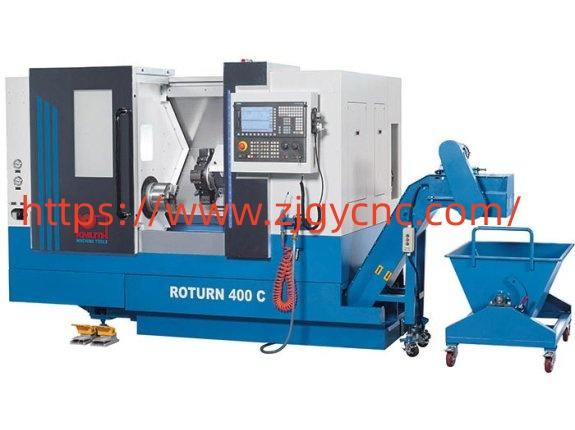

Compact CNC Lathe selection requires careful evaluation for companies searching for suitable machining equipment with practical workshop applications. Before choosing a supplier, buyers should review machine specifications, production requirements, structural design, operating conditions, and technical support. A detailed assessment helps customers understand whether the equipment fits their workspace and production plans.
Review Workshop Requirements Before Purchase
Before selecting equipment, buyers should understand their actual machining needs and production environment. Different workshops may have different requirements based on material types, workpiece dimensions, production schedules, and available operating space.
Customers should consider important details such as machining range, operation methods, maintenance needs, and installation conditions. These factors help buyers communicate their expectations clearly with manufacturers.
A clear understanding of project requirements allows suppliers to provide suitable recommendations. It also helps companies prepare their facilities and reduce possible changes after equipment delivery.
Check Machine Design And Configuration
Machine design and configuration are important factors during the selection process. Buyers should review details about equipment structure, control functions, working capacity, and available options.
Suitable configuration can influence daily operation, maintenance planning, and production organization. Customers should discuss technical information with manufacturers to confirm whether the equipment matches their intended applications.
zjgycnc focuses on machining equipment manufacturing and provides solutions for customers with different production needs. The company pays attention to equipment details and supports various application requirements through professional manufacturing processes.
Evaluate Production Process And Quality Management
Manufacturing procedures and quality control methods are important areas buyers should review before cooperation. Customers should learn how equipment is assembled, tested, and prepared before delivery.
The production process may include component inspection, system adjustment, performance testing, and final checking. These procedures help maintain consistent equipment conditions and support stable operation during use.
Buyers can ask suppliers about testing methods and inspection procedures before confirming orders. Understanding these processes allows customers to make practical decisions based on their production requirements.
Consider Equipment Compatibility With Applications
Different workshops may have different operating conditions, so buyers should evaluate whether equipment can match their current workflow. Factors such as workspace layout, operator experience, production goals, and maintenance plans should be considered.
Customers should communicate application details with manufacturers before purchasing. Information about expected usage conditions helps suppliers understand project requirements and provide suitable options.
A careful selection process focuses on matching equipment features with actual production tasks. Reviewing these factors before purchase can help companies create better preparation plans for future machining work.
Review Supplier Support And Cooperation Service
Supplier support is another important consideration when selecting machining equipment. Buyers should review technical communication, installation guidance, training support, and maintenance services.
A clear service process helps customers handle questions during equipment operation. Before confirming cooperation, buyers can discuss delivery schedules, support requirements, and future communication methods.
zjgycnc provides machining equipment solutions for customers with different application needs. Buyers can visit https://www.zjgycnc.com/ to review available products and learn more about equipment options for their projects. By checking specifications, machine design, manufacturing methods, inspection procedures, and service support, customers can make practical decisions when selecting equipment for future machining operations.
