


Survival with the Best fat transfer Surgeon in dubai
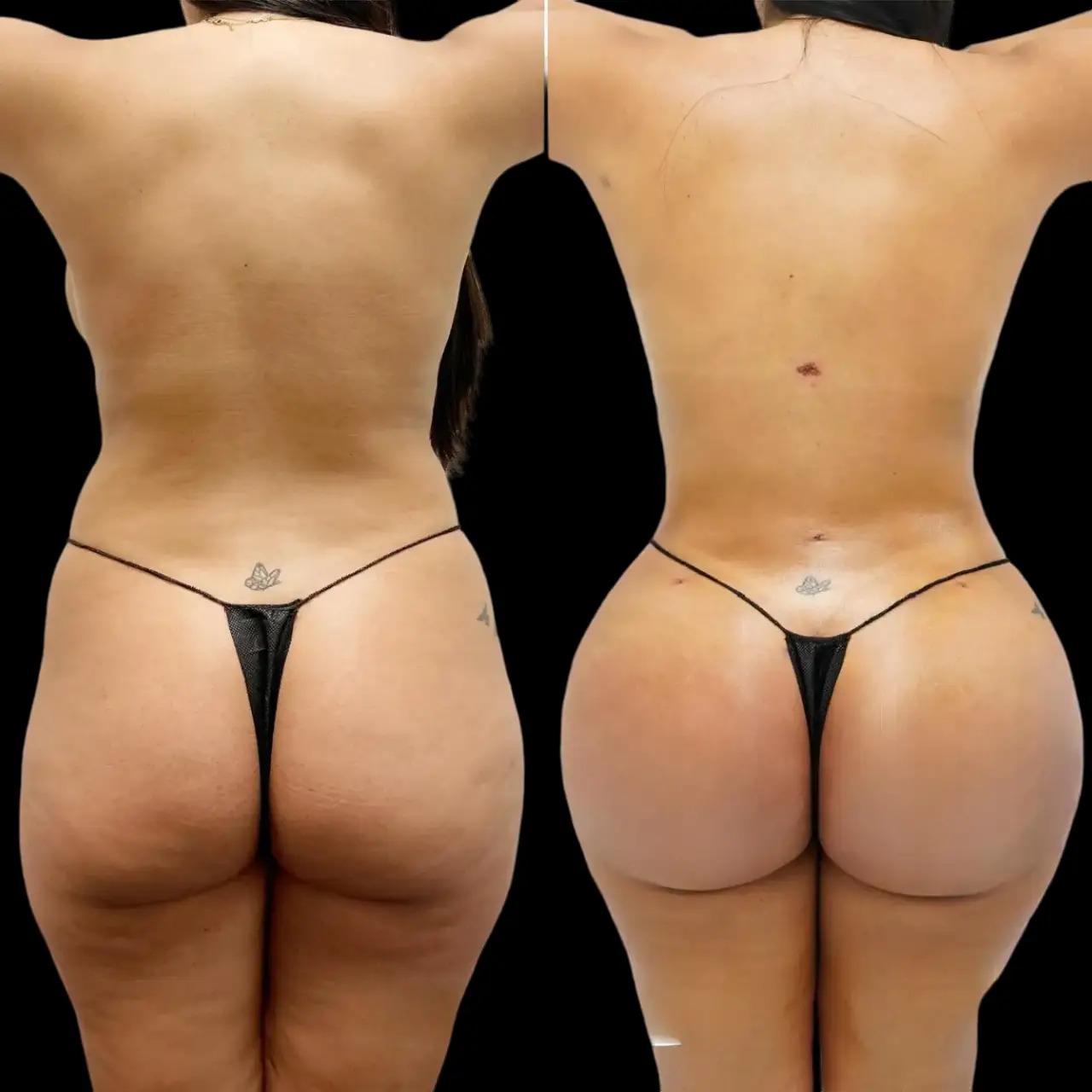
What Is Fat Cell Survival in Fat Grafting?
fat grafting is a cosmetic technique that moves fat from one part of the body to another. The fat is usually collected from areas such as the abdomen, thighs, hips, or flanks.
After collection, the fat is prepared and placed into the selected treatment area. Once the fat is transferred, the body begins its healing process.
Fat cell survival refers to the fat cells that remain alive and continue to exist in the treated area after the procedure.
Not every transferred fat cell survives. Some cells may be reabsorbed by the body during healing.
The final amount of surviving fat can vary from person to person. This is why the appearance immediately after treatment may not be the same as the long-term result.
Why Fat Cell Survival Matters
Fat cell survival matters because it can affect the amount of volume that remains after recovery.
For example, a patient may notice significant fullness immediately after treatment. Some of this early fullness may be caused by swelling. As swelling decreases and some fat is reabsorbed, the treated area may look different.
The final result develops gradually rather than appearing immediately.
Understanding this process can help patients avoid unrealistic expectations and prepare for the recovery period.
How Fat Transfer Works: From Collection to Placement
Fat transfer generally involves three main stages:
- Fat collection.
- Fat preparation.
- Fat placement.
Each stage plays a role in the treatment process.
Fat Collection
Fat is collected from a suitable donor area using liposuction. The amount collected depends on the treatment area and the amount of volume needed.
Fat Preparation
The collected fat may contain blood, fluid, oil, and other unwanted material. It is prepared using a suitable technique before transfer.
Fat Placement
The prepared fat is placed into the selected area using small injections. The placement technique depends on the treatment area and the planned result.
Once the fat is transferred, the body begins healing. Some fat cells may survive, while others may be absorbed.
What Happens to Fat Cells After Transfer?
After fat is placed into the treatment area, the cells need to adapt to their new surroundings.
Fat cells require oxygen and nutrients to remain healthy. During the early stage after transfer, the graft depends on the surrounding tissue while a blood supply develops.
The process can be explained in three simple stages.
Stage 1: Early Healing
Immediately after the procedure, the treated area may appear fuller than expected. Swelling and fluid can contribute to this appearance.
The transferred fat is beginning to settle into the surrounding tissue.
Stage 2: Blood Supply Development
The surviving fat cells need support from the surrounding tissue. Over time, blood vessels may grow into the graft and provide oxygen and nutrients.
This process is important for the long-term survival of transferred fat.
Stage 3: Long-Term Fat Survival
Some fat cells may remain in the treated area and contribute to lasting volume. Other cells may be reabsorbed by the body.
The final result depends on how the body heals and how much of the transferred fat remains.
Factors That Affect Fat Cell Survival
Several factors may influence fat cell survival after grafting. These include the collection method, preparation, placement, treatment area, and individual healing response.
1. Quality of the Collected Fat
The condition of the collected fat can affect the preparation and transfer process.
Fat that is handled carefully may be more suitable for grafting. The collection method should be appropriate for the planned procedure.
However, no collection technique can guarantee that all transferred fat cells will survive.
2. Fat Purification and Preparation
Fat purification helps separate unwanted material from the collected fat.
The prepared graft may contain fat cells along with other natural components. The exact preparation method varies depending on the procedure.
Suitable preparation can help the medical team handle and place the fat appropriately.
3. Placement Technique
The way fat is placed may influence how it interacts with the surrounding tissue.
Fat is often transferred in small amounts rather than one large lump. This can help distribute the graft within the treatment area.
The placement technique depends on the area being treated and the desired correction.
4. Blood Supply in the Treatment Area
Transferred fat needs oxygen and nutrients to survive.
The surrounding tissue plays an important role in supporting the graft. If the fat does not receive enough support, some cells may not survive.
The blood supply of the treatment area is one of the factors considered during treatment planning.
5. Individual Healing Response
Every person heals differently.
Factors such as tissue condition, general health, and the body's natural response to treatment may affect the outcome.
Even when the same technique is used, fat survival may vary between individuals.
Fat Cell Survival in Facial Fat Transfer
Facial fat transfer is used to add volume to areas such as the cheeks, temples, lips, and jawline.
The face often requires careful placement because small changes in volume can affect appearance.
The amount of fat needed depends on the area being treated.
Cheek Fat Transfer
Cheek fat transfer may be used to improve the appearance of flat or hollow cheeks.
The fat is placed into selected areas to add fullness and improve facial contours.
Some of the transferred fat may survive and contribute to long-term volume. The amount that remains varies between individuals.
Temple Fat Transfer
Temple fat transfer may help improve the appearance of hollow temples.
Because the temple area has a specific shape and structure, the treatment requires careful planning.
The result may change as swelling decreases and the fat settles.
Lip Fat Transfer
Lip fat transfer uses a person's own fat to add volume to the lips.
The amount of fat used is usually limited because the lips are a small and delicate treatment area.
The final appearance depends on the amount transferred, placement, and healing response.
Under Eye Fat Transfer and Fat Cell Survival
under eye fat transfer is a treatment used to improve the appearance of hollowness beneath the eyes.
The under-eye region is delicate, and treatment requires careful assessment.
Fat may be placed in small amounts to address volume deficiency. The goal is to create a balanced appearance without excessive fullness.
Why Under-Eye Fat Survival Matters
The amount of fat that remains can influence the final appearance of the under-eye area.
Too little volume may leave some hollowness, while excessive volume may create unwanted fullness.
The result depends on individual anatomy, treatment planning, and healing.
Not everyone is suitable for under-eye fat transfer. A medical assessment is important before considering this procedure.
Fat Cell Survival in Body Fat Transfer
Body fat transfer may be used to add volume to areas such as the breasts, buttocks, or other body contours.
The amount of fat required may be larger than in facial procedures.
Breast Fat Transfer
Breast fat transfer uses fat collected from another area of the body to add volume to the breasts.
The amount of fat that survives can affect the final volume.
The result depends on the treatment plan and the body's healing response.
Buttock Fat Transfer
Buttock fat transfer involves placing fat into selected areas to improve body shape.
This procedure requires careful medical planning because the treatment area has important anatomical structures.
Fat survival may affect the final contour, but results cannot be guaranteed.
How Long Does Transferred Fat Survive?
Fat survival varies from person to person.
Some transferred fat may remain for many years, while other fat may be reabsorbed during the healing process.
The early appearance is not always a reliable indicator of the final result.
First Few Weeks
During the first few weeks, swelling and bruising may affect the appearance.
The treated area may look fuller than the eventual result.
First Few Months
As healing continues, swelling decreases and the fat begins to settle.
Some fat may be naturally reabsorbed during this period.
Long-Term Results
The fat that survives and becomes established in the treated area may provide long-lasting volume.
However, the result can change over time due to aging, weight changes, and natural changes in the body.
Can Weight Changes Affect Fat Cell Survival?
Weight changes can affect the appearance of transferred fat.
Transferred fat cells behave like other fat cells in the body. They may increase or decrease in size when a person gains or loses weight.
Weight Gain
Weight gain may increase the size of fat cells, including transferred fat cells.
This can change the appearance of the treated area.
Weight Loss
Weight loss may reduce the size of fat cells and decrease volume in the treated area.
Significant weight loss can affect the overall result of fat transfer.
Maintaining a Stable Weight
A stable weight may help maintain a more consistent appearance after fat transfer.
However, natural aging and other factors can still change the result.
Best Fat Transfer Surgeon in Dubai: Questions About Fat Survival
People researching the Best fat transfer surgeon in dubai may want to understand how fat survival is evaluated.
During a consultation, useful questions include:
- How much fat may be transferred?
- What factors affect fat survival?
- How is the fat collected and prepared?
- What changes should be expected during healing?
- Is more than one treatment sometimes needed?
- What are the possible risks?
A consultation can help explain the procedure and provide realistic expectations.
Fat Transfer in Dubai: Understanding Long-Term Results
Fat transfer in dubai is a cosmetic treatment that may be used for facial or body volume enhancement.
People considering this procedure should understand that the final result develops gradually.
The amount of fat that survives can vary, and some patients may need additional treatment to achieve their desired result.
A medical assessment can help determine whether fat transfer is suitable for the individual.
Fat Transfer Cost in Dubai and Fat Cell Survival
The Fat transfer cost in dubai may vary depending on the type of treatment and the amount of fat needed.
Fat survival itself does not have a separate fixed price. However, the treatment plan may influence the total cost.
Factors that may affect cost include:
- Treatment area
- Amount of fat collected
- Amount of fat transferred
- Procedure complexity
- Anesthesia
- Facility charges
- Follow-up care
Patients should ask for a complete cost breakdown before treatment.
Fat Transfer Prices: What Affects the Total Cost?
fat transfer prices can differ depending on the treatment area and the services included.
For example, a small facial fat transfer may require less fat and a different preparation process from a larger body procedure.
When comparing prices, patients should ask whether the quoted amount includes:
- Consultation
- Fat collection
- Fat preparation
- Fat placement
- Anesthesia
- Aftercare
A clear estimate can help patients understand the total treatment expenses.
Fat Transfer Cost: Is Additional Treatment Sometimes Needed?
The fat transfer cost may change if additional treatment is required.
Some patients may be satisfied with the initial result, while others may consider another procedure if they want more volume.
Additional treatment is not always necessary, and it should not be assumed that every patient will need it.
The decision depends on the final result, the patient's goals, and medical advice.
Best Doctors in Dubai: Understanding Fat Transfer Results
People searching for Best doctors in dubai may want to learn more about fat transfer and its possible results.
When considering treatment, it is useful to focus on the procedure itself, including fat collection, purification, placement, and recovery.
Patients should understand that no cosmetic procedure can guarantee a specific result.
A medical consultation can help explain the expected outcome and possible complications.
Perfect Doctors Clinic and Fat Transfer Information
People researching Perfect Doctors Clinic may want to understand the general process of fat transfer.
Fat cell survival is an important topic because it affects how the treated area may look after healing.
Patients can ask about the preparation method, placement technique, recovery, and possible changes in volume.
Clear information can help people understand the treatment before making a decision.
Best Fat Transfer Surgeons in Dubai: What to Know Before Treatment
When searching for Best fat transfer surgeons in Dubai, patients should take time to understand the procedure and its limitations.
Important topics include:
- Fat collection
- Fat purification
- Fat placement
- Fat cell survival
- Recovery
- Possible complications
- Treatment costs
The goal of fat transfer is to improve volume in a selected area, but the final result varies between individuals.
Patients should consider their personal goals and discuss whether the treatment is appropriate.
Conclusion: Understanding Fat Cell Survival in Fat Transfer
Fat cell survival is an important part of the fat transfer process. After fat is collected and placed into another area, some cells may survive while others are reabsorbed by the body.
The final result depends on several factors, including fat quality, preparation, placement, blood supply, and individual healing.
Whether the procedure Dr. perfect celebrity volume, under eye fat transfer, or body contouring, patients should understand that results develop gradually.
People researching Best fat transfer surgeon in dubai, fat transfer in dubai, or fat transfer cost in dubai should learn about the complete procedure before treatment.

 Bangla