


Field Hockey Equipment Market is developing as players, sports organizations, and manufacturers focus on equipment that supports performance, comfort, and safety. Field hockey involves fast movement, stick handling, passing, and shooting, making suitable equipment important for players at different skill levels. The market includes hockey sticks, balls, protective gear, footwear, goalkeeper products, and training accessories. Companies are exploring product development and equipment improvements to address the needs of modern athletes. The industry is influenced by sports participation, product quality, safety considerations, and the growing interest in specialized gear for field hockey activities.
The development of protective field hockey equipment is encouraging manufacturers to explore products that support player protection and comfortable movement. Protective equipment may include shin guards, mouthguards, gloves, goalkeeper gear, and other specialized accessories. Companies are examining materials, fit, construction, and usability to improve equipment options. Players and coaches may select products according to playing position, experience, and training requirements. The focus on protective gear is contributing to product innovation and the wider development of the field hockey equipment industry.
Player safety is an important consideration in hockey equipment design. Protective products must be suitable for their intended use and meet relevant product requirements. Manufacturers are exploring designs that balance comfort, fit, durability, and practical protection. Goalkeepers require specialized equipment to support their position during play. Players may also use footwear and accessories designed for movement and stability. The development of safety-focused products is encouraging companies to examine equipment construction and user requirements. These considerations are relevant to both competitive athletes and individuals participating in recreational field hockey.
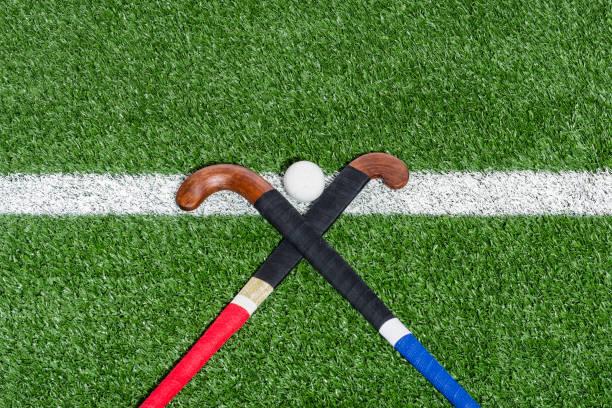
Hockey sticks continue to be an important product category within the market. Players rely on sticks for passing, shooting, dribbling, and defensive actions. Manufacturers are exploring different materials, shapes, lengths, and grip designs to address player preferences. Stick construction can influence handling and comfort during training and matches. Product selection may vary according to playing position and experience. Companies are developing equipment for different skill levels and age groups. The continued focus on stick design is contributing to innovation and product variety across the field hockey equipment industry.
Goalkeeper gear represents a specialized area of equipment development. Goalkeepers use protective products such as helmets, leg guards, kickers, gloves, and body protection. Manufacturers are exploring designs that support fit, movement, comfort, and practical functionality. The equipment requirements of goalkeepers differ from those of field players, creating opportunities for specialized product development. Companies are examining materials and construction methods to improve product performance. The development of goalkeeper equipment contributes to the wider range of protective solutions available to players and sports organizations.
Footwear is also relevant to player safety and movement. Field hockey players require shoes that support traction, stability, and comfort during rapid movement. Manufacturers are exploring outsole patterns, cushioning, materials, and fit for different playing conditions. Suitable footwear may support player confidence during training and competition. Sports brands are examining ways to develop products that address the requirements of hockey players. The development of specialized footwear is contributing to the overall equipment market and creating opportunities for companies focusing on sports performance and player comfort.
The competitive landscape includes hockey equipment manufacturers, sports brands, protective gear specialists, footwear companies, and sports retailers. Companies are focusing on product development, quality, design, and customer engagement. Equipment reliability and product suitability can influence purchasing decisions among players and coaches. Manufacturers are also exploring opportunities to develop products for different playing positions and skill levels. Distribution partnerships and sports retail networks support product accessibility. The competitive environment encourages businesses to examine new equipment designs and solutions for the evolving field hockey industry.
The future outlook for the Field Hockey Equipment Market is influenced by player safety, product innovation, equipment comfort, and sports participation. Manufacturers are expected to continue exploring protective gear, hockey sticks, goalkeeper equipment, footwear, and training products. Companies may focus on materials, construction, and product designs that address player requirements. Online retail and sports distribution channels will remain relevant to equipment accessibility. As field hockey develops across schools, clubs, and competitive organizations, the market will continue to explore opportunities for reliable and practical equipment that supports players and the wider sporting community.
Frequently Asked Questions
What is protective field hockey equipment?
Protective field hockey equipment includes products such as shin guards, mouthguards, gloves, helmets, and goalkeeper protection used during hockey activities.
Why is player safety important in field hockey?
Suitable equipment can support player protection, comfort, and confidence during training and competitive matches.
What equipment is used by field hockey goalkeepers?
Goalkeepers use specialized gear such as helmets, leg guards, kickers, gloves, and protective body equipment.
