

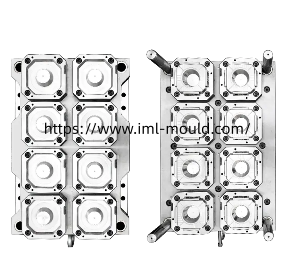

Plastic Cup Mould purchasing should begin with a clear understanding of the finished product and the production conditions. Buyers need to review more than the quotation and estimated lead time. Technical drawings, material grades, tooling specifications, machine compatibility, inspection standards, and delivery responsibilities should all be discussed before an order is confirmed. A structured purchasing process helps reduce misunderstandings and gives both parties a common reference throughout the project.
Are All Technical Documents Ready for Review?
Before requesting a formal quotation, prepare the documents needed for engineering evaluation. These may include 2D drawings, 3D models, physical samples, material specifications, and details about the intended application.
Check that all files show the same design revision. If dimensions or structural features have changed, provide the updated version and identify the modifications. This prevents the engineering team from working with outdated information.
Buyers should also identify critical dimensions, appearance requirements, stacking conditions, lid compatibility, and any special functional features. If a product will be used with automatic filling or packaging equipment, explain the relevant interface requirements.
A useful practice is to prepare a technical requirement sheet. It can list the drawing revision, resin grade, color, expected output, dimensional tolerances, and inspection responsibilities. Both parties can refer to this document when reviewing the quotation and approving the design.
Does the Quotation Cover the Complete Tooling Scope?
A quotation should explain what is included rather than provide only one total price. Buyers should ask for details about the mold base, core and cavity materials, hot runner or cold runner arrangement, standard components, cooling circuits, and ejection system.
Steel specifications deserve particular attention. Ask the supplier to identify the proposed grades and explain their suitability for the expected production conditions. Heat treatment, hardness requirements, and wear-related components should also be included in the technical discussion.
Check whether the quotation includes design work, machining, assembly, trial production, sample inspection, and necessary modifications. If any service is excluded, request a written explanation.
This makes it easier to compare proposals from different manufacturers. A lower initial quotation may cover a narrower scope, while another proposal may include additional engineering work or testing arrangements. Buyers should compare equivalent technical requirements before making a purchasing decision.
Can the Proposed Structure Match Your Equipment?
Tooling specifications must correspond with the injection machine that will be used for production. Buyers should provide the machine model or relevant technical data, including clamping force, injection capacity, platen dimensions, tie-bar spacing, and installation limitations.
Cavity quantity should also be reviewed in relation to the expected output. Increasing the number of cavities may change the required machine capacity, runner design, cooling arrangement, and overall investment.
Ask the engineering team to explain the proposed cavity layout and filling balance. For multi-cavity projects, each cavity should be considered during the design review so that differences in filling and finished-part dimensions can be evaluated during trials.
Automation requirements should not be overlooked. If a robot or automatic take-out system will be installed, confirm the available operating space, opening distance, and removal direction before the design is approved.
How Will Design Changes Be Managed?
Changes can occur after the initial drawings have been submitted. Buyers may request adjustments to dimensions, wall thickness, surface texture, material, or branding details. The supplier should have a clear process for reviewing these requests.
Before approving a modification, ask how it may affect machining work, production timing, tooling costs, and finished-part performance. Some changes may require new inserts or additional processing, while others may influence cooling or ejection arrangements.
A written change record should identify the original requirement, proposed revision, reason for the change, cost impact, and approval status. This is particularly useful when several departments or external partners participate in the purchasing process.
Buyers should also confirm who has authority to approve engineering changes. Keeping this responsibility clear helps prevent unauthorized modifications and reduces disputes during production.
What Evidence Should Be Required During Trial Production?
Trial production should follow an agreed testing plan. Before the machine starts, confirm the resin grade, machine conditions, sample quantity, inspection method, and acceptance criteria.
The finished parts should be checked for dimensions, weight, wall thickness, surface appearance, deformation, flash, and functional compatibility. For multi-cavity projects, samples should be identified by cavity so that individual results can be compared.
Buyers should request a trial report containing relevant machine settings, cycle observations, inspection results, and records of adjustments. If problems are found, each issue should have a responsible person and a defined action before final approval.
Do not rely only on photographs or a small number of selected samples. Agree on how many samples will be inspected and which features are critical to acceptance. This creates a more useful basis for evaluating production readiness.
Have Delivery and Ownership Responsibilities Been Defined?
Before confirming the order, review the delivery schedule and the documents that will accompany the tooling. The agreement should identify the expected completion date, trial milestones, inspection arrangements, packing method, and shipment responsibilities.
Buyers should also clarify tooling ownership and access to relevant technical files. Depending on the agreement, these may include approved drawings, component lists, maintenance instructions, and modification records.
After-sales support should be discussed before shipment. Ask about spare components, routine maintenance, technical communication, and assistance if installation or production issues occur at the receiving facility.
A clearly written agreement helps both sides understand their obligations and provides a reference if project conditions change.
Discuss Your Project Requirements With the Manufacturer
A purchasing decision should connect product design, equipment compatibility, manufacturing scope, quality verification, and delivery planning. Buyers who prepare complete technical documents and define acceptance requirements can communicate more efficiently with potential suppliers. kingschains welcomes project discussions covering customized designs, tooling specifications, and production arrangements. Visit https://www.iml-mould.com/ to review the available product information and contact the team about your manufacturing requirements.
