


Atrial Fibrillation and Natural Remedies: What Patients Should Know
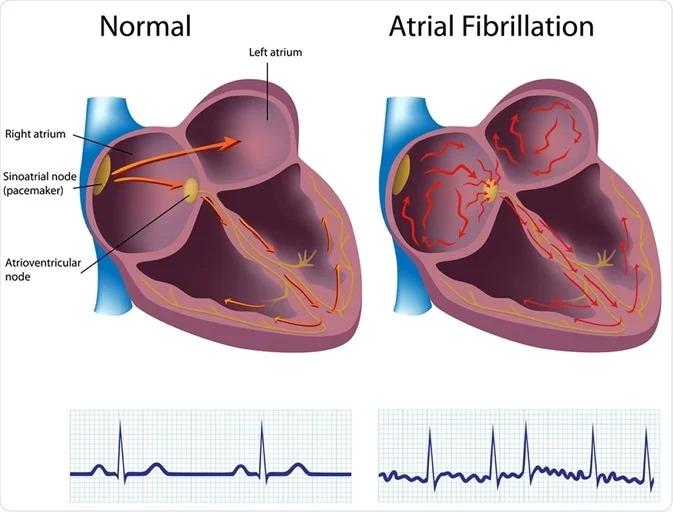
Atrial fibrillation, often called AF or AFib, is an irregular heart rhythm that can cause palpitations, tiredness, shortness of breath, dizziness, or reduced exercise tolerance. Because symptoms can come and go, many people look for additional ways to support their heart health alongside the treatment recommended by their healthcare professional.
This interest has led to growing attention around Organic Health Supplements, herbal products, dietary changes, and other natural approaches. However, natural does not automatically mean safe, and supplements should not be viewed as replacements for prescribed atrial fibrillation treatment.
The 2023 ACC/AHA/ACCP/HRS atrial fibrillation guideline emphasises risk-factor management as an important part of AF care, including physical activity, weight management, smoking cessation, alcohol moderation, blood pressure control, and management of other health conditions.
So, what should patients know before considering Natural Supplements for Atrial Fibrillation? This guide explains the potential role of natural approaches, important safety concerns, and questions to discuss with your healthcare professional.
What Is Atrial Fibrillation?
Atrial fibrillation occurs when the upper chambers of the heart, called the atria, beat irregularly instead of maintaining a normal coordinated rhythm.
Some people notice a rapid or irregular heartbeat, while others may have few or no obvious symptoms. AF can occur in episodes or become persistent.
Importantly, atrial fibrillation is associated with an increased risk of blood clots and stroke in some patients. The need for anticoagulant medication depends on an individual's risk factors and clinical assessment.
For this reason, managing AF involves more than simply trying to make the heartbeat feel more regular. Your healthcare team may consider medications, rhythm-control strategies, rate control, cardioversion, catheter ablation, anticoagulation, and management of contributing conditions.
Natural approaches can potentially complement a broader heart-health plan, but they should not replace clinically recommended treatment.
Can Natural Remedies Treat Atrial Fibrillation?
There is currently no reliable evidence that an herbal supplement can cure atrial fibrillation.
Some natural products are studied for cardiovascular health, inflammation, blood pressure, antioxidant activity, or other biological effects. However, evidence from laboratory or small clinical studies does not automatically mean that a supplement can prevent AF episodes, restore normal rhythm, or reduce stroke risk.
The evidence surrounding dietary supplements and AF remains inconsistent. The current AF guideline specifically notes that studies of dietary supplementation have produced mixed findings.
This distinction is important.
A product may support general nutritional health without actually treating the abnormal electrical rhythm responsible for AF.
Patients should therefore think about Herbal Remedies Atrial Fibrillation as a complementary-health topic rather than an alternative to medical treatment.
Where Can Organic Health Supplements Fit Into AF Care?
Organic Health Supplements may be considered by some patients as part of a broader approach to nutritional and general wellness.
However, the term "organic" does not establish that a supplement is effective for atrial fibrillation. Nor does it guarantee that a product is free from interactions or side effects.
Dietary supplements can contain herbs, vitamins, minerals, botanical extracts, amino acids, or combinations of ingredients. The amount of scientific evidence varies considerably between products and ingredients.
Before taking any supplement, consider:
- What ingredients does it contain?
- What is the dose of each ingredient?
- Has the ingredient been studied in people with AF?
- Could it affect blood clotting?
- Could it affect blood pressure or heart rate?
- Could it interact with prescription medicines?
- Is the product from a reputable manufacturer?
- Has your doctor or pharmacist reviewed the ingredient list?
These questions can help you make a safer decision.
Natural Supplements for Atrial Fibrillation: What Does the Evidence Say?
People often search for Natural Supplements for Atrial Fibrillation because they hope to reduce palpitations, improve cardiovascular health, or decrease AF episodes.
Research has examined several nutritional and botanical approaches, but the evidence varies.
For example, omega-3 fatty acids have been studied extensively in relation to cardiovascular health and AF. The AF guideline reports that studies of omega-3 supplementation have shown no benefit in some settings and a potential for increased AF in others.
This demonstrates why patients should avoid assuming that a nutrient is beneficial for AF simply because it is associated with general heart health.
A supplement may have a useful role for a documented nutritional deficiency while having no established role in treating the rhythm disorder itself.
Your healthcare professional can help determine whether supplementation makes sense based on your diet, medical history, laboratory results, and medications.
Herbal Remedies Atrial Fibrillation: Why Caution Matters
Searches for Herbal Remedies Atrial Fibrillation often produce long lists of herbs promoted for circulation, heart health, blood pressure, stress, or rhythm support.
The problem is that herbal products can contain biologically active compounds. These compounds can potentially affect prescription medicines or produce their own adverse effects.
The National Center for Complementary and Integrative Health notes that there is limited information about many herb-drug interactions. Some interactions can increase medication effects, reduce medication effects, or create unwanted reactions.
This is particularly important for people with AF because many patients take multiple cardiovascular medicines.
Anticoagulants Require Special Attention
Some people with AF take anticoagulants to reduce their risk of stroke.
Adding an herbal supplement without professional guidance may alter bleeding risk or interfere with how a medicine works.
For example, NCCIH reports that garlic supplements may increase bleeding risk and advises people taking anticoagulants or aspirin to speak with their healthcare professional before using garlic supplements.
St. John's wort is another important example. It can interact with numerous medicines, and the AF guideline specifically identifies potential concerns involving direct oral anticoagulants.
Therefore, never assume that an herbal product is harmless simply because it is sold as a natural product.
Can Supplements Affect Heart Rate or Blood Pressure?
Yes. Some ingredients can potentially influence cardiovascular function.
A supplement that affects blood pressure, heart rate, electrolyte levels, or the nervous system may be relevant to someone with AF.
This does not mean that every supplement is dangerous. Rather, it means that patients with a heart rhythm disorder need to consider the complete picture.
If you already take medication to control heart rate or blood pressure, an additional product could potentially alter the overall effect.
For example, NCCIH notes that high-dose green tea extracts can reduce blood levels of nadolol, a beta-blocker used for cardiovascular conditions.
This is one reason your doctor or pharmacist should know about every supplement you take.
Lifestyle Changes May Be More Important Than Supplements
When discussing natural approaches to AF, lifestyle deserves at least as much attention as supplements.
The current AF guideline identifies risk-factor modification as an important component of management. Areas include:
- Maintaining a healthy weight
- Being physically active
- Managing high blood pressure
- Limiting alcohol
- Avoiding smoking
- Managing diabetes and other cardiovascular risk factors
- Addressing sleep-related problems when appropriate
These measures can form part of a comprehensive AF management strategy.
Unlike a supplement marketed for a specific condition, lifestyle interventions can address several cardiovascular risk factors simultaneously.
What About Caffeine?
People with AF are sometimes advised to eliminate caffeine completely.
However, current evidence does not support routinely recommending caffeine avoidance to every person with AF. The 2023 guideline states that recommending caffeine abstention to prevent AF episodes provides no benefit, although reducing caffeine may help individuals who personally notice that it worsens their symptoms.
This illustrates an important principle: AF management should be individualised.
If coffee consistently causes unpleasant palpitations for you, discuss your intake with your healthcare professional. But there is no need to assume that everyone with AF must completely avoid ordinary caffeine consumption.
Highly caffeinated products and energy drinks are a different consideration, particularly when consumed in excessive amounts.
Alcohol and Atrial Fibrillation
Alcohol can be an important AF trigger for some people.
The AF guideline supports alcohol moderation as part of risk-factor management.
If you notice that episodes occur after drinking alcohol, reducing or avoiding it may be worth discussing with your healthcare professional.
This is another example of a lifestyle approach that may be more meaningful for AF management than adding multiple supplements.
How to Evaluate an Organic Health Supplement
If you are considering Organic Health Supplements, look beyond marketing claims.
1. Read the full ingredient list
Do not rely only on the product name. Look at every herb, vitamin, mineral, extract, and other ingredient.
2. Check the doses
A food ingredient and a concentrated extract are not necessarily equivalent. Higher doses may have different effects and risks.
3. Research possible interactions
Ask a pharmacist or doctor whether the ingredients interact with your AF medications.
4. Consider your anticoagulant
If you take warfarin or a direct oral anticoagulant, make sure your healthcare professional knows about the supplement.
5. Avoid products promising a cure
Claims that a supplement can "cure" AF, eliminate the need for medication, or prevent stroke without medical treatment should raise concerns.
6. Choose transparent products
Look for clear ingredient information, dosage instructions, manufacturer details, and appropriate quality controls.
NCCIH cautions that supplements can differ from products studied in research and that contamination and undisclosed ingredients can also be concerns.
What Is Herbs Solutions By Nature?
Herbs Solutions By Nature may be encountered by consumers looking for herbal approaches to general wellness and cardiovascular support.
If you are considering a product from this type of category, evaluate it using the same safety principles as any other supplement.
The important question is not simply whether a product is natural. Instead, ask whether its ingredients are appropriate for your individual health situation and whether they could interact with your existing treatment.
A supplement should fit into your healthcare plan rather than compete with it.
Should You Stop Your AF Medication When Taking Natural Remedies?
No. Do not stop, reduce, or replace prescribed AF medication because you have started an herbal supplement.
Anticoagulants, rate-control medicines, rhythm-control medicines, and other treatments may serve specific purposes. Stopping them without professional guidance can have serious consequences.
If you are interested in a natural approach, tell your healthcare professional before making changes.
This allows your doctor or pharmacist to review the supplement alongside your existing treatment.
Questions to Ask Your Doctor or Pharmacist
Before beginning Natural Supplements for Atrial Fibrillation, consider asking:
- Is this supplement appropriate for someone with AF?
- Could any ingredient interact with my medications?
- Could it affect bleeding?
- Could it affect my heart rate or blood pressure?
- Could it interfere with my anticoagulant?
- Is there good human evidence supporting this ingredient?
- Do I actually need this supplement?
- Should I have any blood tests or monitoring?
- Should I stop the supplement before surgery or a procedure?
- What symptoms should prompt me to seek medical attention?
Taking a written list of all supplements, medications, and doses to appointments can make these conversations easier.
Natural Approaches Should Complement Medical Care
A natural approach to AF does not have to mean choosing between conventional medicine and supplements.
For many patients, the safer approach is to combine evidence-based medical care with healthy lifestyle habits and carefully selected complementary approaches when appropriate.
Your healthcare team may help you address weight, physical activity, blood pressure, alcohol intake, smoking, sleep, diabetes, and other cardiovascular risk factors.
If a supplement is considered, it should be assessed individually for evidence, quality, dose, and potential interactions.
This approach is more reliable than assuming that every herbal product is beneficial simply because it is labelled natural or organic.
When Should You Seek Urgent Help?
AF can sometimes cause serious complications. Seek urgent medical attention for symptoms such as severe chest pain, significant difficulty breathing, fainting, or sudden neurological symptoms.
Sudden weakness or numbness on one side of the body, difficulty speaking, confusion, sudden vision problems, or other possible stroke symptoms require emergency medical attention.
Do not attempt to manage potentially serious symptoms with an herbal remedy.
Final Thoughts
Atrial fibrillation requires thoughtful management because the condition involves both an abnormal heart rhythm and, for some patients, an increased risk of stroke.
Organic Health Supplements and other complementary products may interest people who want additional support for their health, but they should not be assumed to treat or cure AF. Evidence for Natural Supplements for Atrial Fibrillation varies considerably, and some supplements can interact with anticoagulants and cardiovascular medicines.
When considering Herbal Remedies Atrial Fibrillation, focus on safety, evidence, ingredient quality, and potential drug interactions. Products associated with Herbs Solutions By Nature or other herbal-health categories should be evaluated according to the same principles.
Most importantly, do not replace prescribed treatment with a supplement without speaking with your healthcare professional. A balanced approach that combines appropriate medical care, healthy lifestyle habits, and carefully reviewed complementary products can help you make informed decisions about living with atrial fibrillation.
Medical Disclaimer
This article is for general educational purposes and does not replace personalised medical advice, diagnosis, or treatment. Atrial fibrillation can increase the risk of serious complications, including stroke. Always discuss supplements, herbs, vitamins, and other complementary products with your doctor or pharmacist before using them, particularly if you take anticoagulants, heart medicines, blood-pressure medicines, or other prescription drugs. Never stop or change prescribed medication without professional guidance.

 Bangla