

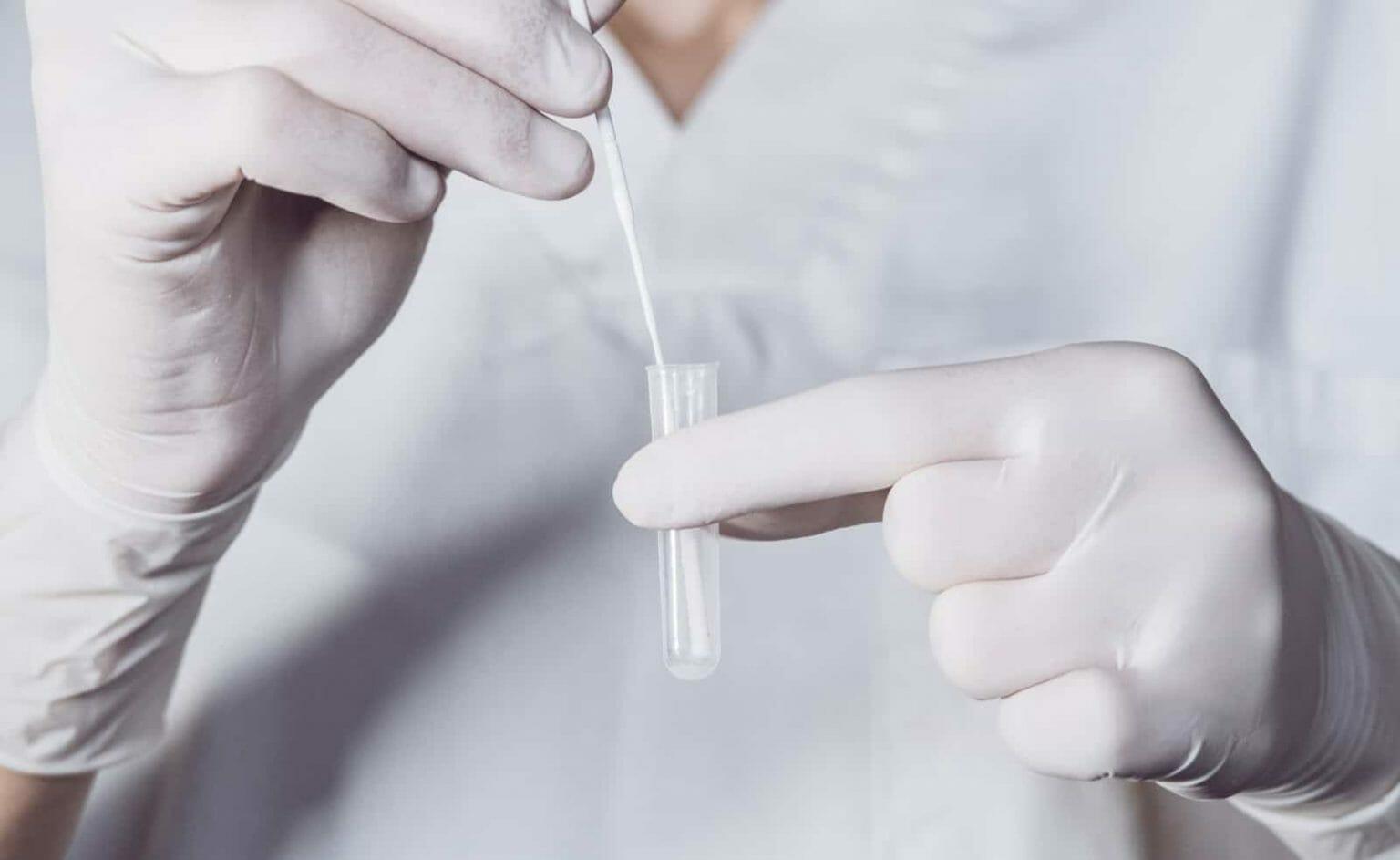

Male reproductive health involves much more than sperm count. When pregnancy does not occur as expected, a Male Fertility Test in Dubai can help healthcare professionals investigate sperm production, hormone function, reproductive anatomy, and other factors that may influence fertility.
For many men, evaluation begins with a semen analysis. Depending on the results and medical history, additional tests may be considered. These can include hormone testing, physical examination, genetic testing, imaging, and selected advanced sperm assessments.
Understanding what each test is designed to assess can make a fertility evaluation easier to understand and help explain why one person may need several tests while another may need only a basic assessment.
What Is a Male Fertility Test?
A male fertility test is not one specific laboratory procedure. It is a group of assessments used to evaluate aspects of male reproductive function.
The main goals are to determine:
-
Whether sperm are being produced
-
How many sperm are present
-
How well sperm move
-
Whether sperm have typical structural characteristics
-
Whether hormonal signals support sperm production
-
Whether an anatomical problem may be affecting fertility
-
Whether genetic factors could contribute to abnormal sperm production
The American Urological Association and American Society for Reproductive Medicine recommend a detailed reproductive history and one or more semen analyses as important components of the initial male infertility evaluation.
What Does a Semen Analysis Tell You?
A semen analysis is commonly the starting point for laboratory evaluation.
It examines an ejaculated semen sample and can provide information about several characteristics, including:
-
Semen volume
-
Sperm concentration
-
Total sperm number
-
Sperm motility
-
Sperm morphology
-
Other semen characteristics
The World Health Organization provides standardized laboratory guidance for human semen examination, helping laboratories use consistent procedures when assessing samples.
A semen analysis is valuable because it looks at multiple sperm-related characteristics at the same time. However, it does not measure every aspect of male fertility.
Does the Man Produce Enough Sperm?
Sperm concentration and total sperm number provide information about sperm quantity.
Sperm concentration describes the number of sperm in a particular volume of semen, while total sperm number considers the entire ejaculate.
A lower-than-expected sperm concentration may be described as oligozoospermia. When sperm are not detected in the ejaculate, the condition is known as azoospermia.
These findings can have different causes, including problems involving sperm production or, in some cases, the movement of sperm through the reproductive tract.
Importantly, sperm quantity is only one component of reproductive health. A complete fertility assessment also considers sperm movement, morphology, medical history, and other factors.
How Well Are the Sperm Moving?
Sperm motility testing answers a different question: are sperm capable of moving effectively?
Movement is important because sperm need to travel through the female reproductive tract to reach the egg.
A semen analysis can assess the percentage of sperm that are motile and characterize their movement. Reduced motility may be associated with several medical or reproductive factors.
A low motility result does not identify its cause by itself. Depending on the overall evaluation, a healthcare professional may investigate other aspects of reproductive health.
Do the Sperm Have Typical Structure?
Sperm morphology evaluates the shape and structure of sperm cells.
Laboratories assess characteristics involving structures such as the sperm head, midpiece, and tail. Morphology is one part of semen quality and is interpreted together with other semen parameters.
A result outside a laboratory's reference range should not automatically be interpreted as meaning that pregnancy cannot occur. Semen parameters are evaluated as a group, and laboratory reference ranges are not absolute boundaries between fertility and infertility.
Are Hormones Supporting Sperm Production?
Sperm production depends partly on communication between the brain and the testes. When the medical history or semen results suggest possible hormonal dysfunction, reproductive hormone testing may be useful.
Depending on the circumstances, testing may include:
-
Follicle-stimulating hormone, or FSH
-
Testosterone
-
Luteinizing hormone, or LH
-
Other hormones when clinically indicated
FSH is involved in regulating sperm production, while testosterone has an important role in male reproductive function.
Hormone testing is not necessarily required for every man seeking a fertility evaluation. A clinician generally decides whether it is appropriate based on symptoms, physical findings, semen results, and medical history.
Is There an Anatomical Problem?
Not every fertility issue can be identified through a blood test or semen analysis.
A physical examination can help a healthcare professional assess the testes, epididymis, vas deferens, and other aspects of the male reproductive system.
One condition that may be considered is a varicocele, an enlargement of veins around the testicle. In some men, varicoceles are associated with impaired sperm production or abnormal semen parameters.
A physical examination may also identify differences in testicular size or other findings that help guide further investigation.
Could a Blockage Be Affecting Sperm Delivery?
Sperm are produced in the testes and then travel through a series of reproductive structures before being released in semen.
If sperm production appears adequate but sperm are absent or markedly reduced in the ejaculate, a clinician may consider whether an obstruction or other anatomical problem is affecting sperm transport.
The investigation may involve medical history, physical examination, hormone results, and selected imaging or specialist procedures.
The distinction between impaired sperm production and impaired sperm transport can be important because they represent different potential mechanisms.
Could Genetics Play a Role?
Some severe abnormalities in sperm production can have a genetic basis.
Genetic testing is therefore considered in selected men, particularly when semen analysis shows azoospermia or severe oligozoospermia and the clinical findings meet guideline criteria.
Depending on the situation, testing may include:
-
Karyotype analysis
-
Y-chromosome microdeletion testing
-
Other genetic tests when clinically appropriate
AUA/ASRM guidance recommends genetic evaluation for selected men with specific severe sperm-production abnormalities rather than using genetic testing as a routine investigation for every man with fertility concerns.
Genetic counseling may also be relevant when a hereditary cause is suspected.
Does Sperm DNA Have Additional Information?
A conventional semen analysis evaluates characteristics such as sperm number, movement, and morphology. It does not provide a complete assessment of sperm DNA integrity.
A sperm DNA fragmentation test evaluates damage or breaks involving sperm DNA.
This is an advanced assessment and is not automatically recommended for every man undergoing a fertility evaluation. AUA/ASRM guidance discusses its use in selected clinical circumstances, including certain situations involving recurrent pregnancy loss.
Whether the test is useful depends on the specific clinical question and previous evaluation.
When Is Imaging Used?
Imaging is not necessarily part of every male fertility evaluation.
When there is a reason to suspect an anatomical abnormality, a healthcare professional may consider imaging such as scrotal ultrasound or other targeted investigations.
Imaging may help examine structures that cannot be fully assessed through laboratory testing. However, its use depends on symptoms, physical findings, and the suspected cause.
This is why fertility testing is generally individualized rather than based on a single standard package of tests for every patient.
Why Repeat Semen Testing Can Matter?
Semen results can vary naturally between samples. Temporary illness, collection differences, and biological variation can affect individual measurements.
Consequently, one abnormal semen analysis does not necessarily establish a permanent fertility problem.
AUA/ASRM guidance recommends at least two semen analyses when the initial evaluation identifies abnormal semen parameters, ideally with approximately a month between analyses when feasible.
Repeating the test can help determine whether an abnormal finding is persistent and whether further evaluation is warranted.
Which Male Fertility Tests Are Usually Needed?
There is no single testing plan that applies to every man.
A typical evaluation may begin with:
Medical history + physical examination + semen analysis
Additional tests may then be selected according to the findings.
For example:
-
Abnormal semen parameters may lead to repeat semen analysis.
-
Certain symptoms or semen findings may lead to hormone testing.
-
Severe sperm-production problems may prompt genetic evaluation.
-
Suspected anatomical conditions may lead to imaging or specialist assessment.
-
Selected clinical situations may justify advanced sperm testing.
This targeted approach helps ensure that additional tests answer a meaningful medical question.
How Should Male Fertility Test Results Be Interpreted?
The most important point is that fertility cannot be determined from one number.
Sperm count, concentration, motility, morphology, semen volume, hormones, reproductive anatomy, sexual function, and the fertility of the partner can all contribute to the overall picture.
A semen result outside the laboratory reference range does not automatically mean that conception is impossible. Conversely, results within reference ranges cannot guarantee pregnancy.
A qualified healthcare professional should interpret the findings in context.
What Can Affect Male Reproductive Health?
Several factors may influence reproductive health and sperm quality. These can include certain medical conditions, infections, testicular disorders, hormonal problems, medications, previous treatments, tobacco exposure, recreational drug use, and other lifestyle or environmental factors.
This does not mean that every man with an unhealthy habit will have abnormal fertility, or that healthy habits guarantee normal fertility. Instead, these factors are considered as part of an individualized assessment.
If you take prescription medicines, hormone products, or supplements, discuss them with your healthcare professional rather than stopping them without medical advice.
When Should You See a Fertility Specialist?
Consider discussing fertility evaluation with a healthcare professional if pregnancy has not occurred despite regular unprotected intercourse or if there is a known reproductive health concern.
A specialist may be particularly helpful when semen abnormalities are persistent, sperm are absent, hormonal abnormalities are suspected, or previous reproductive treatment has not provided an explanation.
Both partners may need evaluation because difficulty conceiving can involve male factors, female factors, or multiple contributing factors.
Final Takeaway:
A male fertility Lab tests is better understood as a process than as one individual test. Semen analysis commonly provides the starting point by examining sperm concentration, total sperm number, motility, morphology, and semen volume.
When the initial findings raise additional questions, hormone tests, physical examination, genetic testing, imaging, or selected advanced sperm assessments may provide more information.
The right combination depends on the individual's symptoms, medical history, semen results, and reproductive circumstances. Understanding what each test is designed to assess can make the fertility evaluation more understandable and help you have a productive discussion with a qualified healthcare professional.
