

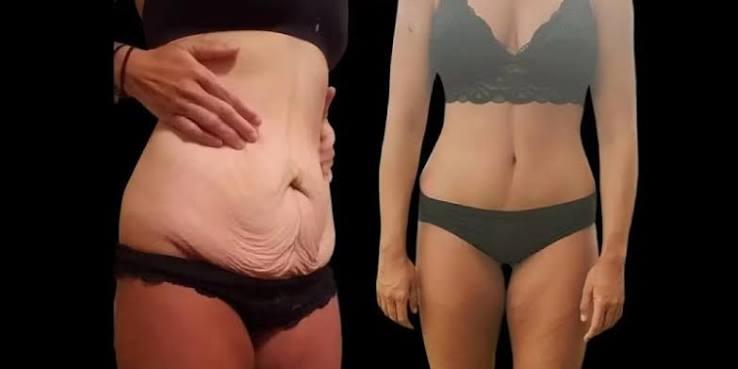

Significant weight loss can bring important changes to the body, but it may also leave behind loose skin, stretched tissues, and altered body proportions. Diet and exercise can improve muscle tone and overall health, yet they cannot always remove excess skin or restore areas that have been stretched after major weight changes. This is where Post-Weight Loss Surgery in Dubai may be considered.
Post-weight loss surgery refers to a group of body-contouring procedures designed to address physical changes that can occur after substantial weight reduction. The appropriate procedure depends on the amount and location of excess skin, tissue quality, overall health, and individual body-contouring goals.
Loose Abdominal Skin
The abdomen is one of the most common areas affected after major weight loss. When skin has been stretched significantly, it may not fully contract after weight reduction. This can result in folds of loose skin around the lower or central abdomen.
An abdominoplasty, commonly known as a tummy tuck, may be considered when excess abdominal skin and tissue are substantial. Depending on the individual situation, the procedure may also address weakened or separated abdominal muscles.
The goal is not simply to remove skin but to create a more balanced abdominal contour while considering the patient's existing anatomy.
Excess Skin Around the Arms
Major weight loss can also leave loose skin along the upper arms. This may create a hanging or lax appearance that remains even when a person maintains a healthy lifestyle.
An arm lift, or brachioplasty, can remove excess skin and reshape the upper-arm area. Whether this procedure is appropriate depends on the amount of loose tissue and the patient's desired outcome.
Patients should understand that body-contouring surgery involves incisions and therefore produces scars. The location and appearance of scars can vary depending on the procedure and individual healing.
Changes in the Thigh Area
The thighs can experience noticeable changes after significant weight loss. Loose skin may develop on the inner thighs, outer thighs, or surrounding areas. In some cases, excess tissue can cause rubbing or discomfort during movement.
A thigh lift may help remove selected areas of excess skin and improve the overall contour of the thighs. Surgical planning is generally based on skin laxity, tissue distribution, and the patient's proportions rather than weight alone.
Loose Skin Around the Back and Flanks
Weight loss can sometimes reveal excess skin around the back, waist, and flanks. These areas may be difficult to improve through exercise because the primary concern is often excess skin rather than body fat.
Depending on the pattern of skin laxity, a surgeon may recommend an appropriate body-contouring procedure or a combination of procedures. The aim is to create smoother transitions between treated and untreated areas.
Changes in the Breasts and Chest
Weight reduction can significantly change breast volume and skin elasticity. Some people experience loss of breast fullness, sagging, or excess skin after losing substantial weight.
Breast-contouring procedures may be considered when these changes affect body proportions or personal comfort. Options can include breast lift procedures, with the specific approach depending on breast shape, skin quality, remaining tissue, and individual goals.
For men, major weight loss can sometimes result in excess skin or tissue around the chest. An appropriate surgical approach can be discussed during an individual consultation.
Changes in Body Proportions
Post-weight loss changes are not always limited to one area. A person may have loose skin on the abdomen while also experiencing laxity around the arms, thighs, breasts, or back.
For this reason, post-weight loss body contouring is often approached as a personalized process. Treating every area at once may not be appropriate or safe. Instead, procedures may be planned in stages based on the patient's health, recovery requirements, and priorities.
Skin Folds and Physical Discomfort
Excess skin can sometimes create folds that make movement, clothing choices, hygiene, or physical activity more difficult. Skin-on-skin contact may also contribute to irritation in certain areas.
While body-contouring surgery is primarily intended to reshape excess tissue, addressing significant skin folds may also provide functional benefits for selected patients. However, surgery should not be viewed as a substitute for maintaining healthy nutrition, physical activity, or stable weight.
What Post-Weight Loss Surgery Cannot Address
It is important to have realistic expectations. Post-weight loss surgery is not designed to replace weight management or guarantee a particular body shape.
The procedures primarily address excess skin and certain contour concerns. They may not eliminate all cellulite, stretch marks, or every irregularity in skin texture. Results can also change over time with aging, future weight fluctuations, pregnancy, and other factors.
A qualified surgical assessment is therefore important before deciding which procedure, if any, is appropriate.
Who May Be Considered for Post-Weight Loss Surgery?
Candidates are generally assessed individually. Important considerations can include stable weight, overall health, skin quality, nutritional status, medical history, and realistic expectations.
People considering surgery after major weight loss should discuss medications, previous operations, smoking or nicotine use, and any medical conditions during consultation. A thorough assessment helps identify potential risks and determine whether surgery is appropriate.
Choosing a Clinic for Post-Weight Loss Body Contouring
Selecting an experienced and appropriately licensed clinic is an important part of the process. Patients can ask about the surgeon's qualifications, surgical facility, consultation process, safety protocols, expected recovery, potential complications, and follow-up care.
Tajmeels Clinic
Tajmeels clinic in Dubai provides consultations for individuals exploring aesthetic and body-contouring procedures after significant weight loss. A personalized assessment can help determine which areas may benefit from surgery and whether procedures should be considered individually or as part of a staged treatment plan. Discussing expectations, recovery, and potential risks during consultation can help patients make informed decisions about their treatment.
Conclusion
Post-weight loss surgery can address several physical changes that may remain after significant weight reduction, including loose abdominal skin, laxity around the arms and thighs, excess tissue around the back and flanks, and changes in breast or chest contours. The appropriate approach depends on individual anatomy, health, skin elasticity, weight stability, and personal goals.
Rather than focusing on a single procedure, patients can benefit from a comprehensive evaluation that considers overall body proportions and long-term expectations. With appropriate assessment, realistic goals, and careful surgical planning, post-weight loss body contouring can be considered as part of a broader approach to restoring body shape after major weight loss.
More Information
Tajmeels Clinic Dubai
WhatsApp: +971 56 203 8751
Phone: tel:+971 43739000
Social Media:
