


Beyond 2D Cell Culture: How Microfluidics Is Reshaping Research
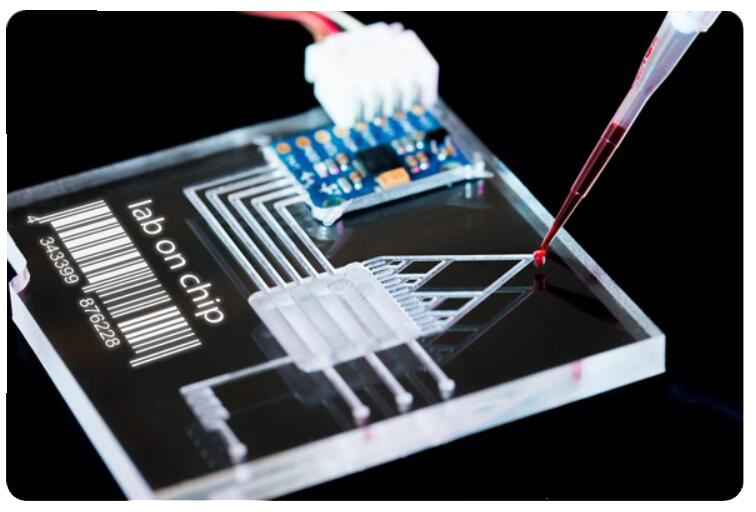
Conventional cell models often struggle to reproduce human physiology. Microfluidics and organ-on-chip platforms offer researchers greater control over experimental microenvironments and new opportunities to develop more physiologically relevant biomedical models..
Why Conventional Models Create Research Bottlenecks
Biomedical researchers face a persistent challenge: experimental models must be manageable enough for routine laboratory use while remaining sufficiently representative of human biology. Traditional 2D cell cultures are accessible and scalable, but they may fail to reproduce complex tissue architecture, fluid dynamics, cell-cell interactions, and physiologically relevant mechanical forces.
Animal models add biological complexity, yet differences between species can complicate the translation of findings to humans. Meanwhile, advanced 3D models can introduce new challenges involving culture stability, reproducibility, and experimental control.
These limitations can create costly bottlenecks in drug screening, toxicity assessment, and disease modeling.
Microfluidics Brings Greater Control to the Bench
Microfluidic technology provides an alternative by manipulating very small volumes of fluids within precisely engineered channels. Compared with conventional fluid-handling workflows, microfluidic systems can reduce sample and reagent consumption while supporting precise fluid control, workflow integration, and, depending on the application, faster processing and greater experimental throughput.
For researchers, the advantages can include:
* Precise control of fluid flow and cellular microenvironments
* Reduced consumption of valuable samples and reagents
* Integration of preparation, reaction, separation, and detection
* Compatibility with high-throughput experimental designs
* More consistent control over experimental parameters
However, designing chips, selecting suitable materials, optimizing fluid control, and integrating biological assays require expertise across engineering and life sciences. End-to-end microfluidic solutions can help research teams address these interdisciplinary barriers without building every capability from scratch.
Organ-on-Chip Models Bridge an Important Experimental Gap
Organ-on-chip technology takes builds on microfluidic principles by integrating controlled fluidic environments with living cells and tissue-relevant structures. These systems are designed to reconstruct selected characteristics of tissue and organ microenvironments in vitro.
Cell culture and organ-on-chip development can incorporate primary or immortalized cells, 3D cultures, organoids, customized chip designs, and multi-organ configurations. Microfluidic channels can also regulate the delivery of nutrients, oxygen, and other factors surrounding cultured cells.
Such capabilities are particularly valuable for researchers investigating drug responses, toxicity, disease mechanisms, barrier functions, and interactions between different cell types.
Better Cell Culture Requires Better Microenvironment Control
Maintaining stable culture conditions remains another practical obstacle. An integrated organ-on-chip cell culture platform can provide controlled fluid supply and environmental regulation while supporting both 2D and 3D cultures. Creative Biolabs' platform, for example, supports applications including toxicity studies, absorption studies, air-liquid interface culture, and concentration-gradient culture.
Specialized devices can further enable researchers to investigate fluid shear stress, pressure-related mechanical effects, cellular interfaces, barrier properties, and organ-on-chip configurations—parameters that conventional static cultures often cannot reproduce effectively.
Moving Toward More Integrated Microfluidic Research
As biomedical studies become more complex, the value of microfluidics lies not simply in miniaturization but in creating controllable, integrated experimental systems. Combining customized chip development, advanced cell culture, and organ-on-chip modeling can help researchers build more relevant workflows while reducing technical fragmentation.
To discover custom approaches for microfluidic research, cell culture, and organ-on-chip model development, please visit https://microfluidics.creative-biolabs.com/.

 Bangla