


How to Prepare for an STD Test: A Simple Patient Guide
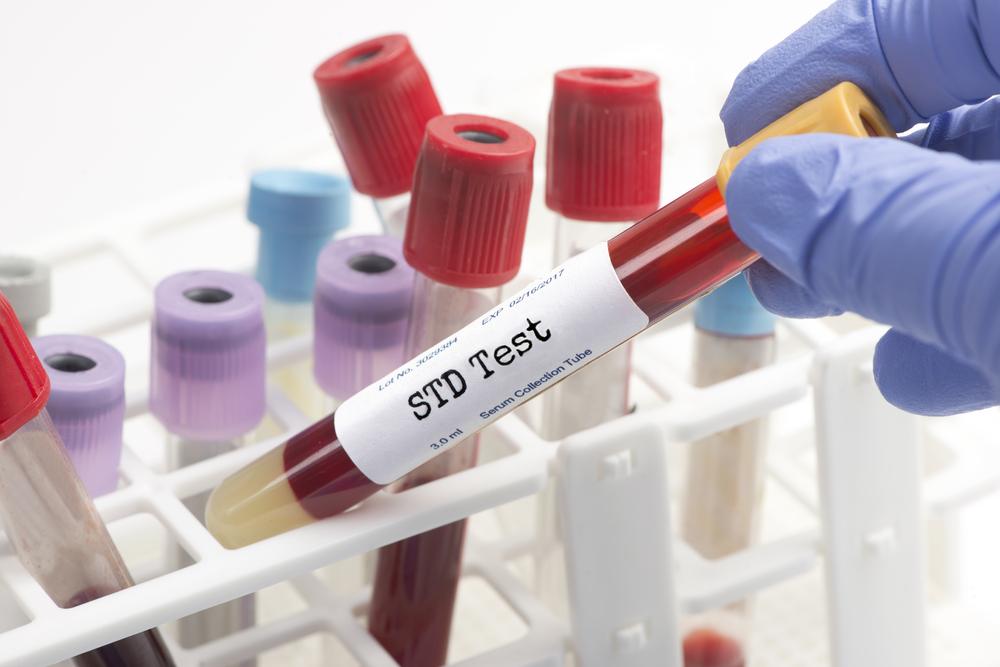
Reparing for an STD Test Dubai appointment can help make the testing process easier and ensure that you provide the healthcare professional with useful information. Many people feel uncertain before testing because they do not know whether they need to fast, avoid urination, stop medication, or prepare in another way.
The preparation required depends on which infections are being investigated and what type of samples will be collected. Some tests require blood, while others may involve urine or swab samples. There is no single preparation routine that applies to every STD test.
Before your appointment, it is helpful to think about the reason you want testing, any symptoms you have experienced, the timing of possible exposure, and your previous testing history. Providing accurate information can help a healthcare professional select appropriate tests and interpret the results in context.
Understand Why You Are Getting Tested
Before attending an STD testing appointment, consider why you want to be tested. You may have symptoms, a recent possible exposure, a new sexual partner, a partner who has been diagnosed with an infection, or simply want routine screening.
Knowing your main concern can help you explain your situation clearly during the consultation.
If you have symptoms, write down when they started and whether they have changed. Symptoms such as unusual discharge, burning during urination, genital sores, itching, unusual bleeding, or pelvic discomfort can provide useful information.
If you do not have symptoms, explain why you are considering testing. A healthcare professional can then consider your circumstances and determine whether screening may be appropriate.
Know the Date of Possible Exposure
One of the most useful pieces of information to provide is the approximate date of a possible exposure.
Different infections and tests have different detection windows. If testing occurs too soon after exposure, an infection may not yet be detectable by a particular test.
This does not mean that early testing has no value. Depending on the situation, a healthcare professional may recommend testing immediately and then advise repeat testing later.
If there have been multiple possible exposures, provide the approximate dates if you can. This can help the healthcare professional understand the overall situation.
Share Your Symptoms Honestly
There is no need to feel embarrassed about discussing sexual health symptoms. Accurate information helps healthcare professionals make appropriate testing decisions.
Tell them about symptoms such as discharge, burning, sores, blisters, genital irritation, unusual bleeding, pelvic pain, testicular discomfort, or pain during sexual activity.
You should also mention symptoms that may seem unrelated if they began after a possible exposure. Some infections can produce symptoms outside the genital area.
Remember that symptoms alone cannot confirm an STD. Similar symptoms can occur with conditions that are not sexually transmitted, so laboratory testing or clinical evaluation may be needed.
Bring Previous Test Results
If you have previously had an STD test, bringing the results can be helpful.
Previous results may provide information about infections you were tested for, when testing occurred, and whether treatment or follow-up was recommended.
If you previously tested positive for an infection, tell the healthcare professional even if you received treatment. Some infections can recur, and some previous diagnoses may affect the interpretation of current symptoms.
If you do not have physical copies of previous results, simply provide as much information as you remember.
Tell the Healthcare Professional About Medications
Before testing, inform the healthcare professional about medications you are currently taking or have recently taken.
This can include antibiotics or other medications that may have been prescribed for an infection. Previous treatment can sometimes be relevant when interpreting symptoms and deciding what additional evaluation may be appropriate.
Do not stop prescribed medication simply because you are planning an STD test unless a qualified healthcare professional specifically tells you to do so.
The appropriate preparation depends on the individual test, so ask if you have received any specific instructions.
Ask Whether Fasting Is Necessary
People sometimes assume that every blood test requires fasting. This is not necessarily the case for every sexual health test.
Whether fasting is needed depends on the specific laboratory tests being performed. If your appointment includes other medical blood tests, fasting instructions may be different.
Instead of fasting unnecessarily, ask the healthcare provider or testing facility whether you need to avoid food or drinks before your appointment.
Following the exact instructions provided for your specific tests is more useful than relying on general assumptions.
Follow Urine Testing Instructions
If your testing involves a urine sample, you may receive specific instructions before collecting it.
The instructions can vary depending on the infection being investigated and the laboratory test being used. Some tests may require a particular type of urine sample or instructions about when you should last urinate.
Because these requirements can differ, ask the healthcare professional what you should do before providing the sample.
Do not assume that every urine-based STD test has identical preparation requirements.
Understand Swab Testing
Some infections may require swab samples. A swab may be collected from an appropriate body site depending on your symptoms and exposure.
If you are nervous about swab testing, ask the healthcare professional to explain what will happen before the sample is collected.
The amount of discomfort varies depending on the location and condition of the area being tested. If the area is already irritated, you may experience temporary sensitivity.
Understanding the procedure beforehand can help reduce anxiety.
How Enfiled STD Clinic Can Help You Prepare
At Enfiled STD Clinic, preparation can begin with a confidential discussion about your symptoms, possible exposure, previous testing, and health concerns.
The healthcare professional can explain which tests may be appropriate and whether you need to follow any specific instructions before providing samples.
If your possible exposure was recent, mention the date because testing timing can affect how results are interpreted.
You can also ask questions about sample collection, laboratory processing, result timing, and possible follow-up testing.
Clear communication before testing can help ensure that the testing plan is appropriate for your circumstances.
Do Not Delay Testing Because You Feel Embarrassed
Feeling embarrassed about STD testing is common, but delaying medical evaluation because of embarrassment can make it harder to address health concerns.
Sexual health professionals routinely discuss sensitive topics. Their role is to collect relevant information, recommend appropriate testing, and help you understand the results.
You do not need to provide unnecessary personal details. However, information about sexual exposure, symptoms, and timing can be medically useful.
If you are uncomfortable discussing something, you can tell the healthcare professional that you are nervous and ask them to explain why the information is relevant.
What If You Have No Symptoms?
You can still discuss STD screening even if you feel completely healthy.
Some sexually transmitted infections can remain asymptomatic. This means that waiting for symptoms is not always an effective way to determine whether an infection is present.
Routine screening may be considered based on factors such as sexual activity, new partners, previous infections, possible exposure, or a partner's diagnosis.
A healthcare professional can help determine whether testing is appropriate based on your individual circumstances.
Should You Avoid Sexual Contact Before Testing?
There is no universal rule that applies to every STD test, so follow the specific advice given by your healthcare professional.
If you have symptoms or believe you may have been exposed to an infection, it may be sensible to discuss sexual activity and protection with a healthcare professional while awaiting evaluation and results.
If an infection is suspected or confirmed, you may receive specific advice about avoiding sexual contact, using protection, and informing partners.
Do not rely on a single general rule because recommendations can vary depending on the infection and circumstances.
Understand the Testing Window
One of the most important preparation considerations is understanding that testing too early may affect results.
A window period is the period after infection during which a particular test may not yet reliably detect the infection.
The window period differs between infections and testing methods. This means that the date of exposure can be just as important as the test itself.
If you recently had possible exposure, tell the healthcare professional exactly when it occurred. You may be advised to test now, return for repeat testing, or follow a specific testing schedule.
Prepare Questions Before Your Appointment
Writing down your questions before the appointment can help you remember important concerns.
You might ask which infections are being tested, why particular tests were recommended, what type of sample is required, when results will be available, and whether repeat testing could be necessary.
You can also ask what a negative or positive result would mean and what steps should be taken afterward.
There is no need to feel uncomfortable asking for an explanation if medical terminology is unclear. Understanding your testing process is an important part of informed healthcare.
What Happens After Sample Collection?
After the samples are collected, they are generally sent for laboratory analysis. The time required for results depends on the tests performed and the laboratory process.
Your healthcare provider should explain when and how results will be communicated.
A negative result generally means that the particular infection tested for was not detected. However, if testing occurred during a relevant window period, repeat testing may sometimes be recommended.
A positive result means the specific infection tested for was detected and requires appropriate professional follow-up.
Maintain Privacy During Your Testing Process
Sexual health information is personal, and privacy is an important consideration for many people.
Before testing, you can ask how your personal information and laboratory results are handled and how results will be communicated.
During the consultation, provide accurate medical information while discussing any concerns you have about confidentiality.
Understanding the process can make it easier to communicate openly and receive appropriate guidance.
When Should You Seek Prompt Medical Advice?
If you have severe pain, significant bleeding, rapidly worsening symptoms, or other concerning changes, seek prompt medical attention rather than waiting for a routine testing appointment.
If you believe you have recently experienced a significant HIV exposure, seek urgent professional advice because some preventive interventions are time-sensitive.
For other possible infections, early medical evaluation can also help determine whether testing, treatment, or follow-up is appropriate.
Final Thoughts
Preparing for an STD Test Dubai does not usually require complicated steps. The most important preparation is to understand why you are being tested, provide accurate information about symptoms and possible exposure, and follow any instructions given for blood, urine, or swab samples.
Tell the healthcare professional when a possible exposure occurred because testing windows can affect how results are interpreted. Bring previous test results when available and mention relevant medications or previous infections.
Most importantly, do not let embarrassment prevent you from seeking appropriate sexual healthcare. A confidential consultation can help determine which tests are relevant and whether additional testing or follow-up may be needed.

 Bangla