

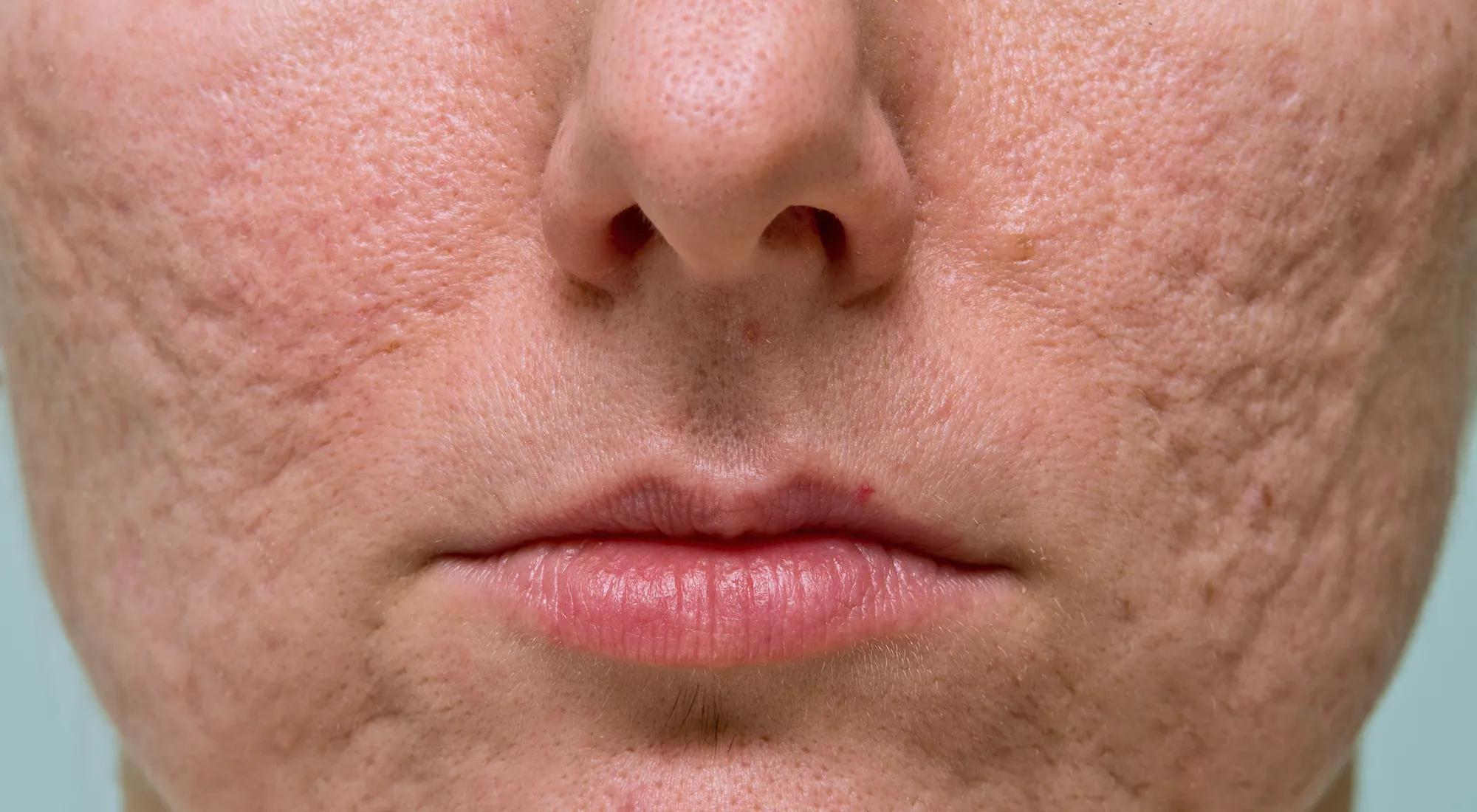
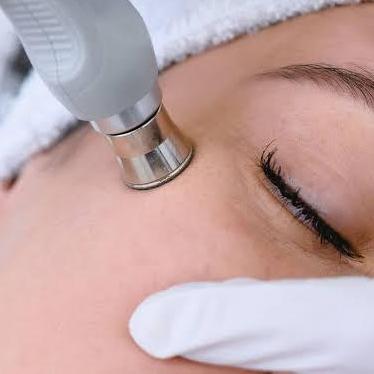
Acne does not look the same in every person, so treatment needs to reflect the type and severity of the breakout. Acne Treatment in Dubai may involve different approaches depending on whether the skin has clogged pores, inflamed pimples, or deeper nodules and cysts. At Dynamic Clinic in Dubai, acne concerns can be assessed according to the individual pattern of breakouts, skin condition, and treatment needs.
Why Does Acne Type Matter?
Acne develops through a combination of clogged pores, excess oil, inflammation, and changes involving microorganisms that normally live on the skin. However, these factors can appear differently from one person to another. Whiteheads and blackheads mainly involve blocked pores, while papules and pustules have a stronger inflammatory component. Nodules and cysts develop deeper within the skin and can be painful.
Because of these differences, a treatment that suits mild comedonal acne may not be sufficient for deeper inflammatory acne. The American Academy of Dermatology notes that there is no single acne treatment plan that works equally well for everyone.
How Is Comedonal Acne Treated?
Comedonal acne mainly consists of whiteheads and blackheads. Whiteheads form when a pore becomes blocked and closed, while blackheads occur when the pore remains open and its contents react with oxygen.
Treatment usually focuses on keeping pores clear and reducing the buildup that contributes to new comedones. Depending on the individual skin assessment, commonly used ingredients may include:
- Topical retinoids to help unclog pores
- Salicylic acid to exfoliate and clear blocked pores
- Benzoyl peroxide when inflammatory breakouts are also present
- Azelaic acid for acne and associated dark marks
Avoiding squeezing or picking is also important because manipulation can increase irritation and contribute to scarring.
What Changes When Acne Is Inflammatory?
Inflammatory acne includes papules and pustules, which are typically red, swollen, and sometimes tender. Pustules contain visible pus, while papules are raised inflammatory bumps without a pus-filled center.
Treatment for this type of acne may need to address more than clogged pores. Benzoyl peroxide, topical retinoids, azelaic acid, and other prescribed therapies can be considered according to the severity and pattern of the acne. In some cases, combination treatment is used because different ingredients can target different mechanisms involved in acne development.
How Is Severe or Deep Acne Managed?
Nodular and cystic acne develops deeper within the skin than blackheads, whiteheads, papules, and pustules. These lesions can be painful and have a higher risk of leaving permanent scars.
Deep acne generally requires professional assessment rather than relying only on over-the-counter products. Depending on severity, treatment may involve prescription medicines, oral therapies, or specific procedures. For severe acne or acne that has not responded adequately to standard treatments, isotretinoin may be considered under appropriate medical supervision.
For individual large, painful lesions, a dermatologist may sometimes use an intralesional corticosteroid injection to reduce inflammation and discomfort. This approach is generally reserved for selected severe breakouts.
Does Hormonal Acne Need a Different Approach?
Some people experience acne that follows a hormonal pattern, such as recurring breakouts around the lower face, chin, or jawline. Breakouts may also become more noticeable around certain stages of the menstrual cycle.
When hormonal factors are suspected, treatment may include options that address hormonal pathways. Depending on the person and their medical circumstances, dermatologists may consider therapies such as combined oral contraceptives, spironolactone, or topical clascoterone. These options require individual medical assessment because suitability varies between patients.
What Determines the Right Acne Treatment?
Acne type is only one part of treatment planning. A professional assessment may also consider:
- Severity and number of lesions
- Location of breakouts
- Skin sensitivity and tolerance
- Previous acne treatments
- Presence of dark marks or scarring
- Whether acne appears persistent or recurrent
- Possible hormonal influences
- Other skin conditions that may resemble acne
This distinction is important because conditions such as folliculitis and perioral dermatitis can sometimes look similar to acne but require different management.
Why Early Assessment Can Matter
Treating acne according to its type can help address active breakouts while reducing the risk of persistent inflammation and scarring. The AAD recommends selecting treatment based on the specific acne lesions present, with more intensive medical management often needed for deep or severe acne.
Conclusion
Acne Treatment in Dubai can differ considerably according to whether the main concern is comedonal, inflammatory, hormonal-pattern, nodular, or cystic acne. Understanding the type of breakout helps determine which treatment approaches may be appropriate, while severity, skin characteristics, previous treatment response, and scarring risk can further shape the plan. A proper skin assessment is therefore an important step before choosing an acne treatment approach.
