


What Is Fiberglass? Properties, Uses and Benefits
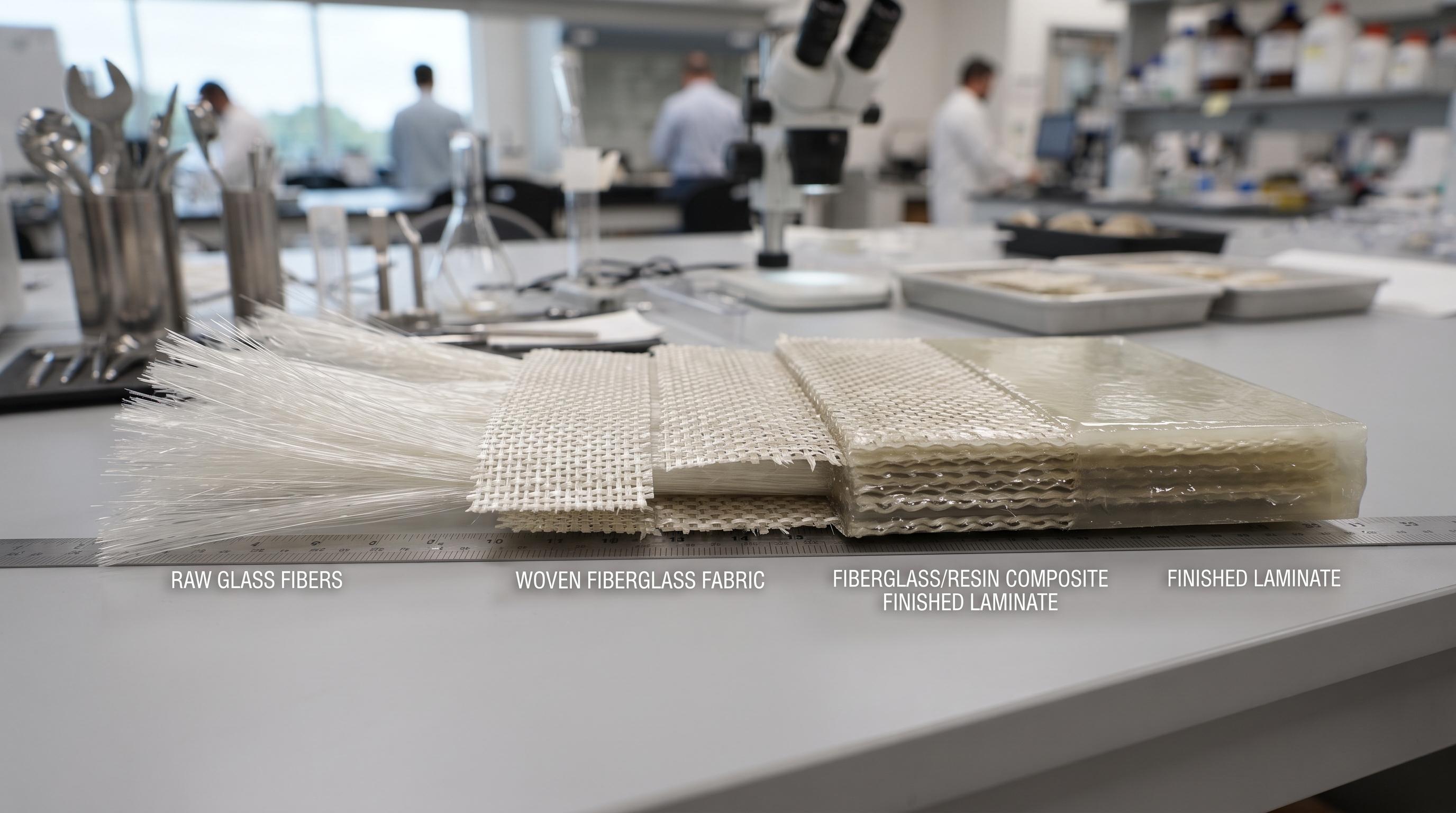
If you are wondering what is fiberglass, it is a strong, lightweight material made from extremely fine strands of glass. These glass fibers can be used on their own or combined with a resin or polymer to create a composite material with useful mechanical and physical properties. Fiberglass is widely used in construction, transportation, manufacturing, marine products, insulation, electronics, sports equipment, and many other industries. Its popularity comes from its combination of strength, relatively low weight, corrosion resistance, flexibility in manufacturing, and ability to perform in different environments. Understanding what fiberglass is, how it is made, and where it is used can help explain why this material has become so important in modern manufacturing.
What Is Fiberglass?
Fiberglass is a material consisting of very fine glass fibers that are produced by drawing or processing molten glass into thin strands. These fibers can be arranged in different forms, including woven fabrics, mats, chopped strands, or continuous filaments, depending on the intended application. Fiberglass can also be combined with resin to create fiberglass-reinforced plastic, commonly known as a fiberglass composite. In this form, the glass fibers provide strength and stiffness while the resin holds the fibers together and helps create the desired shape. This combination makes fiberglass useful for products that need to be strong without becoming unnecessarily heavy.
How Is Fiberglass Made?
Fiberglass is produced by heating suitable glass materials until they reach a molten state and then forming the molten glass into very fine fibers. The fibers are processed and collected in a way that allows manufacturers to create different types of fiberglass materials. Depending on the final product, the fibers may be woven into fabric, formed into mats, chopped into shorter strands, or arranged in continuous structures. When fiberglass is intended for composite manufacturing, the fibers are usually combined with a suitable resin. The resin surrounds the fibers and creates a solid material after curing, producing a composite with properties that are different from those of ordinary glass.
What Is Fiberglass Made Of?
Fiberglass is primarily made from glass-forming materials, with the exact composition depending on the type and intended application. Different glass compositions can provide different characteristics, such as chemical resistance, electrical properties, strength, or thermal performance. The glass is processed into extremely fine fibers rather than remaining in its conventional solid form. In fiberglass composites, the glass fibers are combined with a polymer resin that acts as a binding material. The resulting composite therefore contains both reinforcing glass fibers and a matrix material that supports and protects the fibers.
Properties of Fiberglass
Fiberglass has several properties that make it useful across a wide range of applications. It offers a favorable combination of strength, low weight, corrosion resistance, dimensional stability, and electrical insulation. Fiberglass can also be manufactured into different shapes and forms, allowing designers to use it for flat panels, curved structures, molded components, pipes, tanks, insulation products, and other items. Its resistance to many environmental conditions makes it useful where conventional materials may experience corrosion or deterioration. The exact properties of fiberglass depend on the glass type, fiber arrangement, resin system, manufacturing process, and final product design.
Is Fiberglass Strong?
Fiberglass can be a strong material, particularly when glass fibers are properly arranged and combined with an appropriate resin. The fibers are responsible for much of the strength and stiffness of a fiberglass composite, while the resin binds the fibers together and transfers loads between them. The strength of a finished fiberglass product depends on factors such as fiber orientation, fiber content, resin type, manufacturing quality, and product design. Because fiberglass can provide substantial strength without the weight associated with some traditional materials, it is frequently selected for applications where weight reduction and structural performance are both important.
Is Fiberglass Waterproof?
Fiberglass itself does not absorb water in the same way that many porous materials do, which makes fiberglass composites useful in environments where moisture resistance is important. However, the water resistance of a finished fiberglass product depends on the type of resin, surface treatment, manufacturing quality, and condition of the material. Properly manufactured fiberglass composites can perform well in wet environments and are commonly used for marine products, water tanks, pipes, roofing components, and other applications exposed to moisture. Damage, cracks, poor coatings, or manufacturing defects can still allow water to reach parts of a composite structure.
Fiberglass and Fiberglass Reinforced Plastic
Fiberglass and fiberglass reinforced plastic are related but are not exactly the same thing. Fiberglass refers primarily to the fine glass fibers themselves, while fiberglass reinforced plastic describes a composite material in which glass fibers are embedded in a polymer resin. The fibers provide reinforcement, while the polymer matrix holds them in place and gives the finished product its shape. This combination produces a material that can offer useful strength, stiffness, durability, and resistance to environmental conditions. Fiberglass reinforced plastic is commonly used when manufacturers need a molded material that can replace heavier or more corrosion-prone alternatives.
Common Types of Fiberglass
Fiberglass can be produced in different forms to meet different manufacturing and performance requirements. Fiberglass fabric consists of woven strands and is commonly used in composite production where controlled fiber orientation is useful. Fiberglass mat contains fibers arranged in a less structured pattern and can be used for molding and reinforcement. Chopped fiberglass consists of shorter fiber pieces that can be incorporated into various materials and manufacturing processes. Continuous fiberglass strands are used where long fiber reinforcement is required. The choice between these forms depends on the product design, manufacturing method, required strength, surface finish, and intended application.
Uses of Fiberglass
Fiberglass has a wide variety of uses because it can be manufactured into products with different shapes, thicknesses, and performance characteristics. It is used in building materials, roofing products, pipes, storage tanks, vehicle components, boats, electrical equipment, insulation, industrial structures, sports products, and consumer goods. Fiberglass composites are particularly useful when manufacturers need a material that combines structural performance with resistance to moisture and corrosion. Its flexibility in manufacturing also allows it to be molded into complex shapes, making it suitable for products that would be difficult or expensive to manufacture from certain traditional materials.
Fiberglass in Construction
The construction industry uses fiberglass in many applications because of its durability and resistance to environmental conditions. Fiberglass reinforced materials can be used for panels, roofing components, pipes, tanks, structural products, and other building applications. Fiberglass insulation is also used to help control heat transfer and improve the energy performance of buildings. In structural applications, fiberglass composites can provide reinforcement without introducing the same corrosion concerns associated with some metal materials. The suitability of fiberglass for a construction project depends on the required mechanical properties, environmental exposure, fire requirements, installation conditions, and applicable building standards.
Fiberglass in Marine Applications
Fiberglass is especially well known for its use in marine products because fiberglass composites can provide good resistance to moisture and corrosion. Boats, watercraft, marine panels, tanks, and other components can be manufactured using fiberglass reinforced materials. Compared with some traditional materials, fiberglass can provide a useful balance between strength, weight, and resistance to water exposure. Proper manufacturing and maintenance remain important because prolonged environmental exposure, impact damage, poor repairs, or degradation of protective surfaces can affect the performance of a fiberglass structure.
Fiberglass for Insulation
Fiberglass is also widely used as an insulation material. Fiberglass insulation contains fine glass fibers that create a structure capable of slowing heat transfer. It can be used in walls, ceilings, roofs, floors, and other parts of buildings where thermal insulation is required. Fiberglass insulation can also contribute to sound control because its fibrous structure can help absorb certain sounds. Proper installation is important because gaps, compression, moisture, or incorrect placement can reduce insulation performance. Handling fiberglass insulation also requires appropriate precautions because loose fibers can irritate the skin, eyes, and respiratory system.
Advantages of Fiberglass
Fiberglass offers several advantages that make it attractive for industrial and commercial applications. It is relatively lightweight compared with many traditional structural materials, while properly designed fiberglass composites can provide useful strength and stiffness. Fiberglass also offers resistance to corrosion and many environmental conditions, which can make it suitable for applications involving moisture or chemicals. Another advantage is manufacturing flexibility because fiberglass composites can be molded into different shapes. Electrical insulation properties are another important benefit, particularly in applications where conductive materials would not be appropriate.
Disadvantages of Fiberglass
Although fiberglass has many useful characteristics, it also has limitations that should be considered before selecting it for a specific application. Fiberglass composites can be damaged by strong impact depending on their construction and thickness, and repairs may require specialized techniques. Cutting, sanding, or machining fiberglass can release fine particles that may irritate the skin, eyes, and respiratory system. Some resin systems can also have their own handling and safety requirements. Fiberglass performance can vary significantly depending on the quality of the fibers, resin, manufacturing process, and final product design, so the material should always be selected according to the requirements of the intended application.
Is Fiberglass Safe?
Fiberglass products can be used safely when they are manufactured, installed, handled, and maintained according to appropriate safety practices. The main concern during certain forms of fiberglass handling is exposure to fine glass fibers or dust, particularly when cutting, drilling, sanding, or disturbing fiberglass materials. Protective clothing, gloves, eye protection, and appropriate respiratory protection may be needed depending on the task and workplace conditions. Once properly enclosed or incorporated into a finished product, the exposure characteristics can be different from those of loose fiberglass fibers. Users should always follow the safety instructions associated with the specific fiberglass product.
Fiberglass Maintenance
The maintenance requirements for fiberglass depend on the type of product and the environment in which it is used. Fiberglass composite surfaces should be inspected periodically for cracks, delamination, impact damage, surface deterioration, or other visible problems. Cleaning should be performed using methods that are compatible with the particular resin and surface finish. Marine and outdoor fiberglass products may require additional attention because exposure to sunlight, moisture, temperature changes, and physical impact can affect their appearance and long-term condition. Prompt repair of significant damage can help prevent a small defect from developing into a larger structural problem.
Fiberglass Compared With Other Materials
Fiberglass is often compared with materials such as steel, aluminum, wood, and carbon fiber because these materials can all be used in certain structural or manufacturing applications. Fiberglass can offer a useful combination of relatively low weight, corrosion resistance, electrical insulation, and manufacturing flexibility. Steel can provide high strength and durability but is heavier and can be vulnerable to corrosion if not properly protected. Aluminum is lightweight and corrosion resistant but has different mechanical and thermal characteristics. Carbon fiber can provide very high stiffness and strength relative to weight but is generally more expensive. The appropriate material depends on the specific performance, cost, environmental, and manufacturing requirements of the project.
Why Is Fiberglass So Widely Used?
Fiberglass remains widely used because it provides a practical balance of performance, versatility, and manufacturing flexibility. Manufacturers can arrange glass fibers in different orientations and combine them with different resin systems to create products designed for particular applications. Fiberglass can be formed into complex shapes and used in environments where moisture, corrosion, electrical insulation, or low weight is important. Its broad range of applications means that fiberglass can be found in everyday products as well as specialized industrial equipment. Continued development of composite manufacturing technologies also supports the use of fiberglass in new applications.
Frequently Asked Questions About Fiberglass
What is fiberglass in simple words?
Fiberglass is a material made from very fine strands of glass. These fibers can be woven, arranged into mats, or combined with resin to create strong and lightweight composite products.
What is fiberglass used for?
Fiberglass is used for construction products, insulation, boats, pipes, tanks, vehicle components, roofing materials, electrical products, sports equipment, and many other applications where strength, durability, low weight, or corrosion resistance is useful.
Is fiberglass the same as glass?
Fiberglass is made from glass, but it is not the same as ordinary glass products such as windows or bottles. Fiberglass consists of extremely fine glass fibers that can be arranged and combined with other materials to create specialized products.
Is fiberglass stronger than plastic?
Fiberglass reinforced plastic is generally stronger and stiffer than ordinary plastic because the glass fibers provide reinforcement. The actual performance depends on the fiber type, resin, fiber arrangement, manufacturing process, and product design.
Does fiberglass rust?
Fiberglass does not rust because it does not contain iron in the way that steel does. Fiberglass composites can therefore be useful in environments where corrosion resistance is important, although other components or fittings used with fiberglass may still corrode.
Can fiberglass get wet?
Fiberglass products can generally be exposed to moisture, and many fiberglass composites are designed for wet environments. However, long-term performance depends on the resin, surface condition, manufacturing quality, and the type of exposure.
Is fiberglass good for insulation?
Fiberglass is widely used for thermal insulation because its fibrous structure helps slow heat transfer. Fiberglass insulation can also provide some sound absorption when properly installed.
Can fiberglass break?
Fiberglass can crack, fracture, or suffer other forms of damage when subjected to sufficient impact, stress, or unsuitable conditions. The resistance to damage depends on the type of fiberglass product, its thickness, fiber arrangement, resin system, and design.
Is fiberglass environmentally friendly?
The environmental impact of fiberglass depends on how it is produced, used, maintained, and disposed of. Fiberglass products can have long service lives, which can reduce the need for frequent replacement, but recycling fiberglass composites can be challenging because the fibers and resin are strongly combined.
Conclusion
So, what is fiberglass? Fiberglass is a versatile material made from extremely fine glass fibers that can be used alone or combined with resin to produce reinforced composite products. Its useful combination of strength, low weight, corrosion resistance, electrical insulation, durability, and manufacturing flexibility has made it important across construction, transportation, marine products, insulation, manufacturing, and many other industries. While fiberglass offers many advantages, proper material selection, manufacturing, handling, installation, and maintenance are essential for achieving reliable performance. By understanding the properties and applications of fiberglass, users can better determine whether this versatile material is suitable for their particular project or product.

 Bangla