

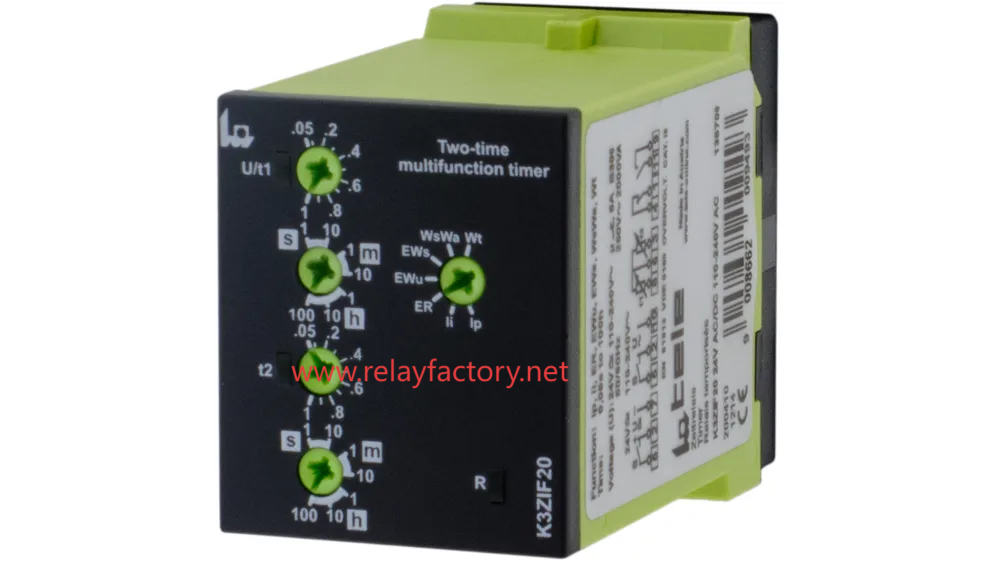

Multifunction Time Relay selection should begin with the actual requirements of the equipment rather than a simple comparison of product appearance or price. Buyers should review operating functions, electrical parameters, control requirements, installation conditions, adjustment methods, product compatibility, testing arrangements, and customization possibilities. Preparing these details in advance can make communication with a manufacturer more efficient and help buyers select a suitable configuration.
Start With the Control Application
The intended application should be clearly defined before discussing product details. Different machines may require different switching sequences, delay settings, or control methods.
Buyers can describe what the component needs to control and what should happen during each stage of operation. A wiring diagram, equipment drawing, or basic control sequence can provide useful information for technical discussions.
It is also helpful to identify whether the component will be installed inside a cabinet, on a control panel, or in another location. Available installation space may influence the configuration that needs to be considered.
Review Available Operating Functions
A multifunction product may provide several operating modes, so buyers should identify which functions are actually required for their equipment.
Before ordering, buyers can ask for a function description or operating diagram. This makes it easier to compare the available modes with the control sequence of the target machine.
Buyers should also consider whether operators need to adjust settings after installation. If frequent adjustment is expected, the position and method of the adjustment controls can become an important practical detail.
Confirm Electrical Parameters
Electrical compatibility is another key purchasing consideration. Buyers should prepare information such as supply voltage, current requirements, contact arrangement, frequency, and connection method.
The connected load should also be considered. A component used for one type of equipment may have different requirements from another application.
If the project has specific electrical limitations, these should be communicated before a quotation is finalized. Clear technical information gives both sides a more reliable reference for selecting the appropriate configuration.
Consider Installation Conditions
The physical environment can influence product selection. Buyers should review installation dimensions, terminal positions, mounting method, available panel space, and surrounding equipment.
Environmental conditions may also be relevant. Depending on the application, buyers may need to discuss temperature, humidity, dust exposure, vibration, or other operating conditions.
Providing these details early helps the manufacturer understand how the product will be integrated into the final system instead of considering the component separately from its application.
Ask About Customization Options
Some projects may require adjustments to standard configurations. These requirements can involve electrical parameters, connection arrangements, markings, packaging, or other details.
relayfactory can communicate with buyers about application-specific requirements and product configurations. Buyers can make this process easier by separating fixed requirements from features that may be adjusted.
For customized projects, written specifications are particularly useful. Drawings, samples, and confirmed technical documents can provide a shared reference before production begins.
Check Samples and Testing Arrangements
For new projects, requesting a sample can help buyers evaluate practical compatibility. A sample can be installed in the target equipment or a test setup before a larger order is placed.
Buyers can check connections, adjustment methods, installation, operating behavior, and other relevant characteristics during evaluation.
Testing requirements should also be discussed beforehand. If certain electrical or functional checks are important, buyers should communicate these expectations clearly and confirm how they will be handled during production.
Review Documentation and Communication
Technical documentation can make purchasing and future repeat orders easier. Buyers may request product specifications, wiring information, installation instructions, dimensional drawings, or other relevant documents.
Communication should also be considered when selecting a manufacturing partner. Buyers should know how technical questions are handled, how specification changes are recorded, and how final requirements are confirmed before production.
A clear communication process can reduce confusion when a project involves purchasing teams, engineers, installers, and production personnel.
Think About Future Orders
If the product will be purchased regularly, buyers should consider how future orders will be managed. Consistent specifications, clear product references, packaging requirements, and documented configurations can make repeat purchasing more organized.
Quantity forecasts can also be useful. Sharing estimated purchasing volumes allows the manufacturer to better understand the project and discuss production arrangements according to actual needs.
For buyers researching product configurations or preparing a new inquiry, the relayfactory website at https://www.relayfactory.net/ provides additional product information and a convenient starting point for discussing application requirements. By preparing electrical details, operating functions, installation conditions, quantity expectations, and customization needs in advance, buyers can have a clearer conversation with the manufacturer and move from initial evaluation toward a practical purchasing arrangement.
