


Why Can Qixiang White Corner Valves Support Flexible Layouts
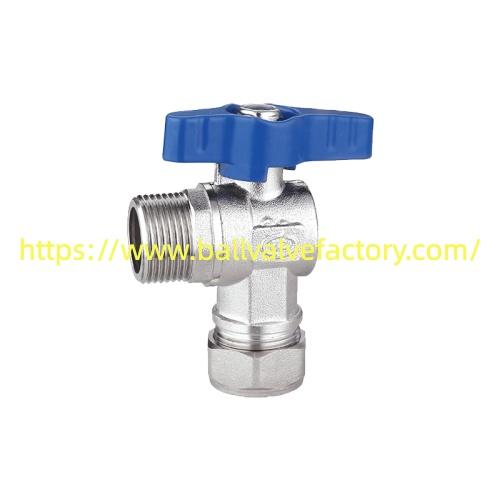
White Corner Valves can fit different bathroom plumbing designs when buyers consider the relationship between supply lines, fixture positions, connection dimensions, available clearance, and visual coordination. These fittings are commonly used where a water line changes direction between the wall supply and the connected fixture. Current installation guidance also places emphasis on matching inlet and outlet specifications before installation, since connection compatibility directly affects the assembly process.
The first consideration is the position of the existing water outlet. A bathroom may have plumbing emerging from the wall, floor, cabinet area, or another designated point. The fitting should correspond with the direction in which the supply line approaches the fixture. A 90 degree configuration can be useful when the pipe and connected equipment require a directional change, while the exact arrangement should always be confirmed against the technical drawing and installation conditions.
Connection dimensions are equally important. Different markets and projects may use different thread standards, hose sizes, or connection methods. For example, commercially available products can use combinations such as G1/2 and G3/8 connections, while other systems may use compression, threaded, or push connection methods. Buyers should therefore check the inlet, outlet, thread type, nominal size, and matching supply hose before placing an order.
This step becomes particularly useful in renovation projects. An existing bathroom may already have fixed pipe positions that are difficult to change without opening walls or floors. In such cases, selecting a suitable configuration around the existing plumbing can simplify project planning. The goal is not simply to choose a fitting based on appearance, but to make sure the connection direction works with the actual installation environment.
Fixture location also influences the selection. Wash basins, toilets, bidet equipment, and other bathroom appliances can have different connection arrangements. A supply fitting needs to provide an appropriate route between the incoming water source and the equipment connection. Commercial product specifications commonly identify intended applications and connection dimensions, which gives buyers useful information when matching hardware with particular fixtures.
Clearance should not be overlooked. In a compact vanity cabinet, for example, limited room around the plumbing can affect handle access, hose movement, and maintenance. Buyers can measure the available space before ordering and check whether the selected configuration leaves enough room for operation and inspection. This is especially useful when several supply lines or fittings are positioned close together.
Surface treatment can also contribute to the overall appearance of a bathroom. A white finish can coordinate with ceramic surfaces, cabinetry, sanitary equipment, and light colored interiors. Some manufacturers offer multiple surface options for the same basic configuration, allowing distributors and project buyers to select a finish according to their target market. The visual decision should still follow the practical requirements of the plumbing arrangement rather than replacing them.
Material is another purchasing consideration. Brass is commonly used in bathroom supply hardware, while stainless steel and other materials are also available. Buyers should review the body material, internal components, coating process, sealing elements, and applicable production specifications. Material information can be particularly useful for importers who need consistent documentation across multiple product models.
Maintenance planning matters as well. A fitting that can be accessed without major disassembly may make future inspection more convenient. Buyers should ask about replacement components, sealing parts, cleaning instructions, and service procedures during the sourcing stage. Installation guidance recommends checking connections for leakage after the water supply is restored, making inspection an important part of the installation process.
For manufacturers and distributors, product communication can make the selection process much easier. Technical drawings, dimensions, connection details, material specifications, finish options, packaging information, and available customization should be clearly presented. Qixiang can discuss these details with buyers according to the intended application, helping purchasing teams match bathroom hardware with different project layouts and sourcing requirements.
A sensible selection process starts with the actual plumbing position, then moves through connection dimensions, available clearance, fixture compatibility, surface treatment, material, and maintenance access. This approach gives buyers a practical framework for comparing configurations without relying only on appearance. For customers reviewing manufacturing options, specifications, and bathroom hardware sourcing requirements, Qixiang provides a direct point of communication through https://www.ballvalvefactory.com/ where project details can be discussed alongside suitable product configurations.

 Bangla