


What Factors Influence Breast Augmentation Results?
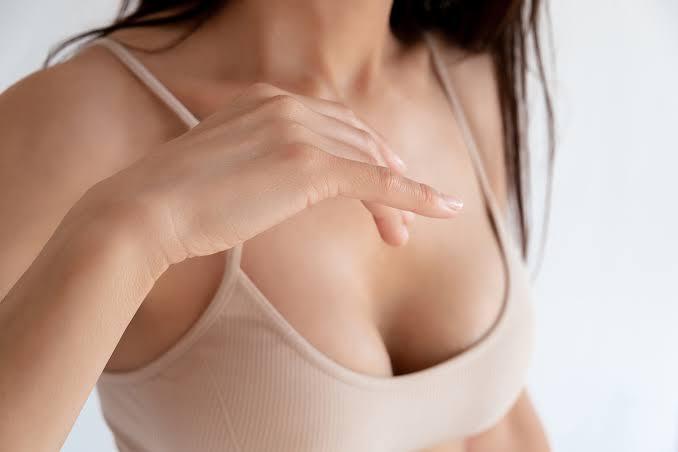
Breast augmentation results depend on much more than implant size. For people researching Breast Augmentation Dubai, the final appearance can be influenced by body proportions, existing breast tissue, skin quality, implant selection, placement, surgical planning, and healing. Dynamic Clinic in Dubai provides breast surgery consultations where these factors can be considered as part of an individualized treatment plan.
Your Natural Breast Anatomy
Every person starts with a different breast shape, chest width, amount of natural tissue, and degree of asymmetry. These characteristics affect how an implant sits and how its shape appears after surgery. The FDA notes that implant selection and placement should be discussed according to individual circumstances, while the American Society of Plastic Surgeons highlights chest measurements and existing breast tissue as important considerations.
Important anatomical factors include:
- Chest wall width and shape
- Existing breast volume
- Breast position and symmetry
- Skin elasticity
- Amount of soft-tissue coverage
- Degree of natural breast sagging
These differences explain why the same implant can produce different appearances in different people.
Implant Size, Shape, and Profile
Implant selection is another major factor affecting breast augmentation results. Choosing an implant involves more than considering volume alone. Width, projection, shape, surface characteristics, and fill material can all influence the final breast contour.
A suitable implant should correspond with the person's anatomy rather than being selected solely according to a desired cup size. ASPS information notes that implant dimensions and body proportions need to be considered together during planning.
Implant Placement
Where the implant is positioned can affect breast contour, upper-pole fullness, visibility, and how naturally the implant integrates with surrounding tissue. Depending on anatomy and the surgical plan, implants may be positioned beneath breast tissue, beneath muscle, or using another clinically appropriate approach.
The amount of natural tissue covering the implant can also influence how noticeable its edges or contours may become. The FDA identifies visibility, palpability, rippling, and malposition among possible implant-related outcomes.
Skin Quality and Existing Breast Tissue
Skin elasticity plays an important role in how the breast accommodates increased volume. Skin that has stretched because of pregnancy, substantial weight changes, aging, or other factors may respond differently to augmentation than firmer skin.
Existing breast tissue also provides coverage over the implant. When there is limited tissue, implant characteristics and placement require careful consideration because the device may be more noticeable through the skin.
Surgical Planning and Technique
The surgical approach can influence the position and appearance of the implants. Planning typically considers incision location, implant dimensions, pocket placement, breast symmetry, and the individual's desired aesthetic outcome.
A detailed consultation is therefore an important part of breast augmentation planning. The FDA recommends discussing medical history, previous breast procedures, expectations, implant characteristics, and placement with the surgeon before surgery.
Healing and Postoperative Care
The body's healing response can affect the developing result. Swelling, bruising, scar formation, changes in sensation, infection, fluid collections, and other complications can influence recovery and appearance. Capsular contracture, implant displacement, rupture, and asymmetry are also recognized complications associated with breast implants.
Following the postoperative instructions provided by the surgical team can help support appropriate healing. Activity restrictions, wound care, follow-up appointments, and monitoring requirements may vary according to the procedure and individual circumstances.
Lifestyle and Future Changes
Breast augmentation does not prevent natural changes in breast tissue. Pregnancy, breastfeeding, aging, and significant weight fluctuations can alter breast shape and skin elasticity after surgery.
Breast implants are also not considered lifetime devices. The FDA states that the likelihood of complications and additional surgery can increase as implants remain in place for longer periods.
Expectations and Individual Goals
A realistic understanding of what augmentation can achieve is another important part of planning. Two people may request the same implant size but have different starting anatomy and different preferences for breast shape or projection.
Clear communication during consultation helps align the surgical plan with personal goals. Discussing preferred proportions, desired fullness, existing asymmetry, and concerns about implant visibility can provide useful information for individualized planning.
Conclusion
Breast augmentation results are shaped by a combination of anatomy, implant characteristics, placement, skin and tissue quality, surgical planning, healing, and future body changes. Understanding these factors before surgery can help patients approach the procedure with realistic expectations and make informed decisions about their individual treatment plan.

 Bangla