


What to Expect During Hepatitis B Testing
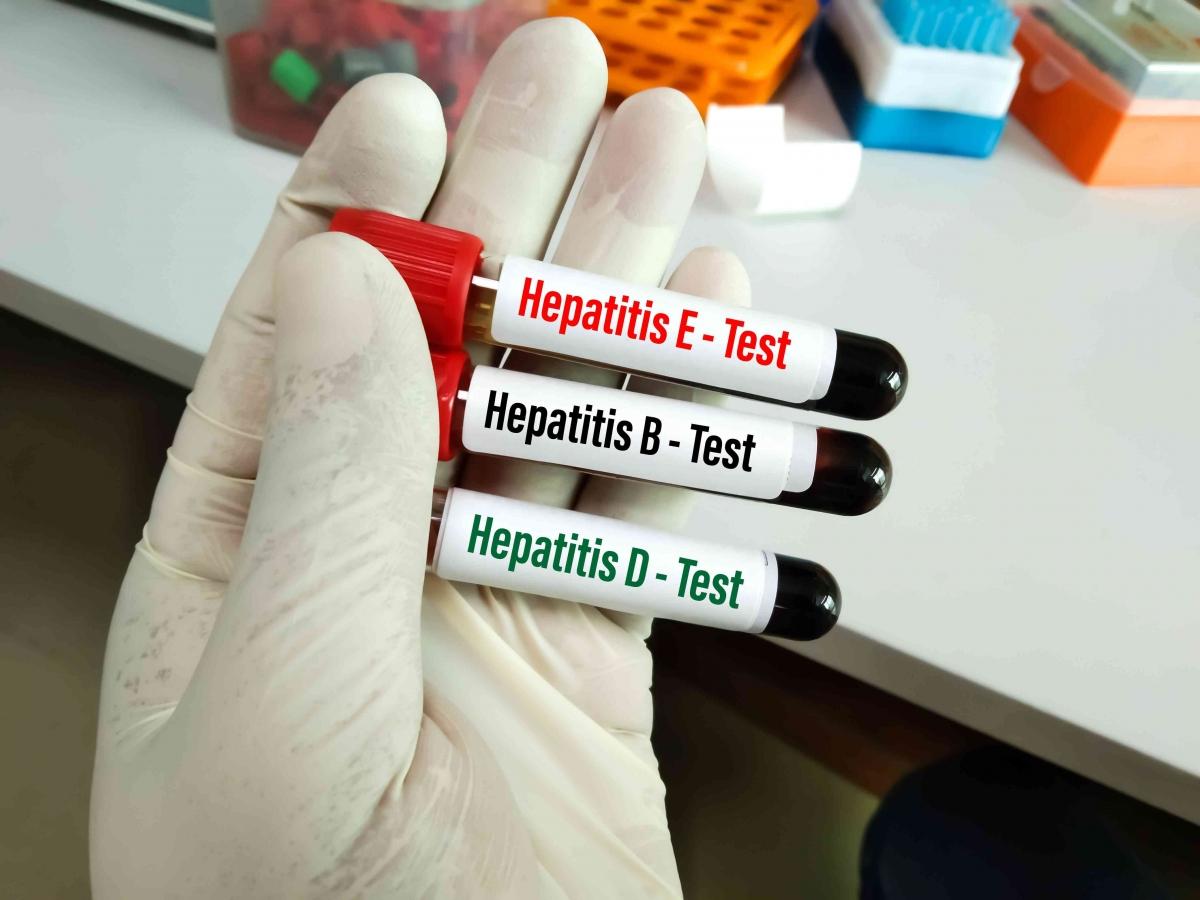
A Hepatitis B Test in Dubai is generally a straightforward laboratory screening process that usually involves collecting a blood sample. The test can help identify evidence of current hepatitis B infection, previous exposure, or immunity, depending on the markers included in the testing panel.
Hepatitis B is caused by the hepatitis B virus (HBV), which primarily affects the liver. Some people develop noticeable symptoms, while others may have no symptoms at all. This is one reason laboratory testing can be important for people with possible exposure or specific risk factors.
Knowing what happens during testing can make the process easier to understand and help patients feel prepared for their appointment.
The Initial Consultation
Before the blood sample is collected, a healthcare professional may ask about your reason for testing. This could include a recent possible exposure, routine screening, symptoms, pregnancy, vaccination status, or a previous hepatitis B diagnosis.
You may also be asked about your medical history, medications, previous laboratory results, and any known liver problems.
If you are testing because of a possible exposure, the timing and type of exposure can be especially relevant. Some hepatitis B markers may take time to become detectable, so this information can influence how the results are interpreted and whether follow-up testing may be appropriate.
Discussing Your Vaccination History
Your hepatitis B vaccination history can affect the interpretation of certain test results. During the consultation, tell the healthcare provider whether you have received the hepatitis B vaccine.
If you know when you were vaccinated or have vaccination records, this information may be useful. If you are unsure about your vaccination history, simply tell the provider that you do not remember.
Blood tests can sometimes identify antibodies associated with immunity. However, additional markers may be required to determine whether immunity is related to vaccination or previous infection.
Does Hepatitis B Testing Require Preparation?
For many routine hepatitis B blood tests, special preparation is not required. Fasting is generally not necessary when only hepatitis B markers are being tested.
However, people may sometimes have several blood tests performed at the same appointment. Some other tests may require fasting or specific preparation.
Always follow the instructions provided by your healthcare provider or laboratory. If you are unsure about eating, drinking, or taking medication before your appointment, ask the testing provider.
Blood Sample Collection
The main part of a Hepatitis B Test in Dubai usually involves collecting blood from a vein, commonly in the arm.
A trained healthcare professional first cleans the area and uses a sterile needle to collect a small amount of blood. Once enough blood has been collected, the needle is removed and the area may be covered with a small dressing.
The actual collection normally takes only a few minutes. Some people experience brief discomfort, while others notice very little sensation.
Minor bruising or tenderness can sometimes occur at the collection site, but serious complications from routine blood collection are uncommon.
What Does the Laboratory Test?
Once the blood sample has been collected, it is sent for laboratory analysis. The specific tests performed depend on the reason for screening and the information the healthcare provider needs.
Common hepatitis B markers include hepatitis B surface antigen, hepatitis B surface antibody, and hepatitis B core antibody.
HBsAg can provide information about current infection. Anti-HBs can indicate immunity, while anti-HBc can provide evidence of previous or current exposure.
Additional tests may be ordered when necessary. For example, HBV DNA testing can measure viral genetic material in the blood and provide information about viral activity.
Understanding HBsAg
Hepatitis B surface antigen, or HBsAg, is one of the main markers used when investigating current hepatitis B infection.
If HBsAg is detected, a healthcare professional may recommend additional testing to determine the nature and duration of the infection.
A positive HBsAg result should not be interpreted without considering the rest of the laboratory findings and medical history.
Understanding Anti-HBs
Anti-HBs refers to antibodies against the hepatitis B surface antigen. The presence of these antibodies can indicate immunity.
Immunity can develop after successful vaccination or following recovery from a previous hepatitis B infection. Because these situations can produce different combinations of laboratory markers, healthcare professionals may examine additional results.
If you are uncertain whether you are protected against hepatitis B, discuss your vaccination and testing history with a healthcare provider.
Understanding Anti-HBc
Anti-HBc, or hepatitis B core antibody, can indicate previous or current exposure to HBV.
Unlike anti-HBs, the core antibody is not simply interpreted as a measure of vaccine-related immunity. Its meaning depends on the other hepatitis B markers and the person's clinical history.
This is why hepatitis B testing often involves multiple markers rather than relying on one laboratory result.
Testing at Enfiled STD Clinic
What to Expect at Enfiled STD Clinic
Enfiled STD Clinic provides a professional environment for individuals seeking infection and sexual health screening. If you are arranging a Hepatitis B Test in Dubai, the healthcare professional can discuss your concerns and determine which tests may be appropriate.
During the appointment, you can explain whether you are testing because of possible exposure, symptoms, routine screening, or concerns about previous results.
The provider can also discuss vaccination history and the timing of any possible exposure. After the blood sample is collected, the laboratory analyzes the requested markers and the results can be reviewed with a healthcare professional.
How Long Does Testing Take?
The blood collection itself is generally quick. However, laboratory processing may take longer depending on the number and type of tests requested.
Basic hepatitis B markers may be available sooner than specialized tests. The testing provider can explain the expected timeframe for receiving your results.
It is important to remember that the length of time required to process a sample does not indicate whether the result will be positive or negative.
What Happens When Results Are Ready?
Once the results are available, a healthcare professional can review them with you.
A hepatitis B report may contain several markers, and their meaning depends on how they appear together. For example, a positive HBsAg result has a different meaning from a positive anti-HBs result.
If results are unclear or suggest current infection, additional laboratory tests may be recommended.
Patients should avoid interpreting complex hepatitis B results based on one number or marker alone.
What If the Result Is Positive?
A positive hepatitis B result does not always provide enough information to determine the complete status of the infection.
Additional tests may be recommended to establish whether the infection is current, recent, or longstanding. Healthcare professionals may also assess liver health using liver function tests and, when appropriate, HBV DNA testing.
People with confirmed chronic hepatitis B may require ongoing monitoring. The appropriate follow-up depends on viral activity, liver health, medical history, and other individual factors.
What If the Result Is Negative?
A negative result can mean that the specific hepatitis B marker tested was not detected. However, the meaning depends on which test was performed.
For someone tested soon after a possible exposure, a negative result may require careful interpretation because the infection may not yet be detectable.
A healthcare professional may recommend repeat testing when appropriate.
A negative infection marker also does not automatically mean that a person has immunity. Separate antibody testing may be needed to assess protection.
Why Timing Matters After Exposure
If you are testing after possible exposure, tell the healthcare professional exactly when the event occurred if you know.
Hepatitis B markers do not necessarily become detectable immediately after infection. Testing too early may therefore fail to identify an infection that is still developing.
Depending on the circumstances, the provider may recommend an initial test and follow-up testing later.
People with a recent possible exposure should seek professional advice promptly because appropriate preventive measures may depend on the timing and nature of the exposure.
What About People Without Symptoms?
Hepatitis B testing can be relevant even when someone feels healthy. Some individuals with hepatitis B do not experience obvious symptoms.
Screening may be recommended based on risk factors, possible exposure, pregnancy, occupational circumstances, or certain medical treatments.
Testing can therefore provide information that symptoms alone cannot provide.
What Happens After a Confirmed Infection?
If testing confirms hepatitis B, the next step is usually medical evaluation rather than simply repeating the same screening test.
Depending on the situation, healthcare professionals may order additional hepatitis B markers, HBV DNA testing, liver function tests, or other assessments.
For chronic infection, ongoing monitoring may be recommended to assess liver health and viral activity.
The specific follow-up plan varies from person to person and should be determined by a qualified healthcare professional.
Final Thoughts
Knowing what to expect during a Hepatitis B Test in Dubai can make the screening process more comfortable and understandable. Most testing involves a simple blood sample, followed by laboratory analysis of specific hepatitis B markers.
The results may provide information about current infection, previous exposure, or immunity. Because several markers can be involved, professional interpretation is important.
If you are considering hepatitis B testing because of symptoms, possible exposure, vaccination concerns, or routine screening, discuss your circumstances with a qualified healthcare professional. The appropriate tests and follow-up schedule depend on your individual situation.

 Bangla