

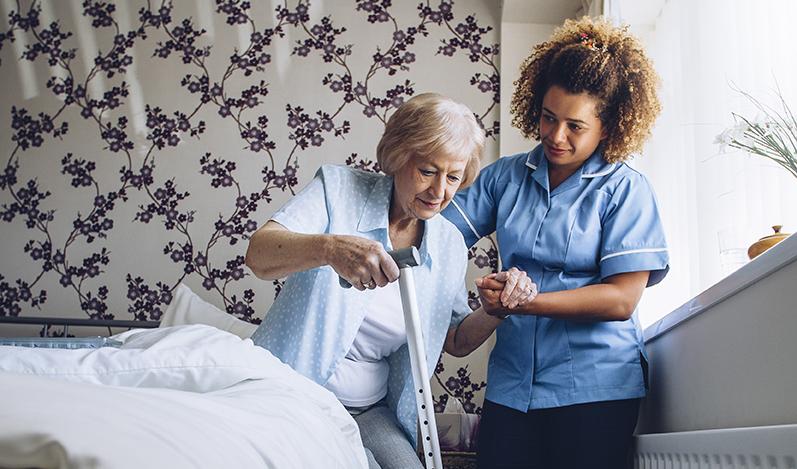

Staying socially connected and mentally engaged can be an important part of maintaining overall well-being, particularly for older adults, patients recovering from illness, and individuals who spend significant time at home. Caregivers at home in Dubai can provide practical assistance while also encouraging patients to communicate with loved ones, participate in suitable activities, and maintain familiar routines. With support from a caregiver, patients may find it easier to remain involved in everyday life without compromising their comfort or safety. When medical needs arise, Doctor at Home services can also complement a broader home healthcare arrangement.
Why Social Connection Matters During Home Care:
Spending extended periods at home can sometimes reduce opportunities for conversation, recreation, and social interaction. Patients with limited mobility may find it particularly difficult to visit friends, attend family gatherings, or participate in activities outside the home. Regular social connection can provide opportunities for conversation, emotional expression, and meaningful interaction. Caregivers can help patients maintain these connections by incorporating communication and social activities into their daily routines. This does not mean replacing family relationships; instead, caregivers can help make those relationships easier to maintain.
How Caregivers Encourage Communication:
Caregivers can create opportunities for patients to communicate throughout the day. Simple conversations about hobbies, family, current routines, memories, or everyday events can provide meaningful interaction. Some patients may prefer quiet conversations, while others may enjoy frequent discussion. Caregivers should follow the patient's communication preferences and allow sufficient time for responses. When communication difficulties exist, families and healthcare professionals can recommend appropriate strategies. Support may include:
- Encouraging regular conversations
- Helping patients make phone calls
- Assisting with video calls
- Reading letters or messages together
- Discussing familiar interests
- Giving patients time to express themselves
Helping Patients Stay Connected With Family:
Family relationships can remain an important source of comfort during periods of illness or limited mobility. A caregiver can help patients communicate with relatives by preparing a phone or tablet, arranging suitable calling times, or assisting with video calls. For patients who have difficulty operating electronic devices, basic technical assistance can make communication more accessible. Caregivers can also help coordinate visits when appropriate. Maintaining regular contact can help patients feel included in family activities even when they cannot participate in person.
Encouraging Meaningful Daily Activities:
Engagement does not always require complicated activities. Familiar and enjoyable tasks can provide structure and stimulation throughout the day. Caregivers can help patients select activities that match their abilities, interests, and energy levels. Activities should never create unnecessary physical or emotional strain. Depending on the patient's circumstances, suitable options may include:
- Reading books or newspapers
- Listening to music
- Watching favorite programs
- Puzzles and simple games
- Arts and crafts
- Gardening activities
- Looking through family photographs
- Listening to audiobooks
- Conversation about familiar subjects
Supporting Hobbies and Personal Interests:
Maintaining hobbies can help patients continue doing activities that are meaningful to them. Physical limitations may require traditional hobbies to be adapted. For example, someone who enjoys cooking may participate by choosing recipes or organizing ingredients, while a person who enjoys gardening may work with small indoor plants instead of performing demanding outdoor tasks. Caregivers can help set up materials, organize the environment, and provide appropriate assistance while allowing the patient to remain involved in the activity.
Using Technology to Maintain Connections:
Technology can provide useful ways for patients to remain connected with friends and relatives. Smartphones, tablets, computers, and video-calling platforms can make communication possible even when travel or mobility is difficult. Caregivers can help patients operate devices, charge them, adjust settings, or join scheduled calls. For patients who are unfamiliar with technology, caregivers can provide patient, step-by-step assistance. Technology can also support entertainment, online reading, music, virtual events, and other activities that encourage engagement.
Supporting Safe Outings and Community Engagement:
When a patient's health and mobility allow, appropriate outings can provide opportunities for social interaction and a change of environment. A caregiver may assist with preparation, transportation arrangements, mobility aids, and other practical needs according to the patient's care plan. Outings should be planned around the patient's abilities, medical instructions, weather conditions, and comfort. Suitable activities might include visiting a nearby family member, spending time in an accessible outdoor area, attending a family gathering, or visiting a familiar community location.
Encouraging Cognitive Engagement:
Mental stimulation can be incorporated into daily caregiving routines. Activities that encourage conversation, memory, attention, or problem-solving may be appropriate depending on the patient's abilities and preferences. Caregivers can ask open-ended questions, discuss familiar memories, read together, or engage in simple games. Cognitive activities should remain enjoyable rather than becoming a source of pressure. If a patient has a condition affecting memory or thinking, activities should follow guidance from the appropriate healthcare professionals and be adapted to the individual's abilities.
Maintaining a Consistent Social Routine:
A predictable routine can make social engagement easier. Patients may benefit from having regular times for family calls, conversations, hobbies, reading, or recreational activities. A caregiver can help incorporate these activities into the patient's existing schedule without interfering with rest, meals, medication, or medical appointments. Consistency can also help families remain involved in the patient's everyday life. A simple engagement routine might include:
- Morning conversation
- Scheduled family phone calls
- A preferred hobby during the afternoon
- Reading or music time
- Evening communication with relatives
- Regular family visits when appropriate
Respecting Patient Choice and Independence:
Social engagement should be based on the patient's preferences rather than forcing participation. Some individuals enjoy frequent interaction, while others prefer smaller amounts of conversation and more quiet time. Caregivers should respect these differences and allow patients to choose activities whenever possible. Encouraging independence is equally important. If a patient can safely make a phone call, choose a book, or participate in a hobby without assistance, the caregiver can provide support without taking over the activity.
Helping Patients Overcome Barriers to Engagement:
Several factors can make social engagement difficult, including hearing problems, vision limitations, fatigue, reduced mobility, communication difficulties, or unfamiliarity with technology. Caregivers can help identify practical barriers and make reasonable adjustments. For example, communication may be easier in a quiet room, while larger print or appropriate lighting may make reading more accessible. Families can also discuss persistent communication difficulties with healthcare professionals to identify suitable support.
The Role of Family Members in Staying Connected:
Caregivers can facilitate communication, but family members remain central to a patient's social life. Relatives can establish regular calling schedules, arrange visits, share photographs, participate in hobbies, or simply spend time talking with the patient. Even short, consistent interactions can help maintain a sense of connection. Families can coordinate with caregivers so that preferred activities and communication times fit naturally into the patient's daily routine.
Creating a Positive Home Environment:
The home environment can influence how easily a patient participates in activities. Comfortable seating, accessible supplies, adequate lighting, and organized technology can make engagement more convenient. Personal photographs, favorite books, music, and familiar objects may also make shared spaces feel more welcoming. Caregivers can help organize these items while keeping safety considerations in mind. A comfortable environment can encourage patients to participate rather than remaining isolated in their room.
Benefits of Staying Connected and Engaged:
Regular social and mental engagement can add structure and meaning to daily life. It can provide opportunities for conversation, entertainment, personal expression, and maintaining relationships. For patients receiving long-term home support, these activities can make everyday routines feel less repetitive. Engagement can also help caregivers better understand the patient's preferences and interests, allowing them to provide more individualized companionship and practical support.
Final Thoughts:
Staying connected and engaged can make home care more meaningful for patients who spend substantial time at home. Caregivers at home in Dubai can support communication, hobbies, family interaction, technology use, cognitive activities, and appropriate outings while respecting each patient's preferences and independence. Small activities such as a phone call, shared reading session, favorite song, or family visit can create valuable moments of connection. By incorporating meaningful engagement into a safe and personalized routine, caregivers and families can help patients remain involved in the relationships and activities that matter to them.
