


Commercial Bee Removal in Fort Worth, TX: Keeping Business Properties Safe
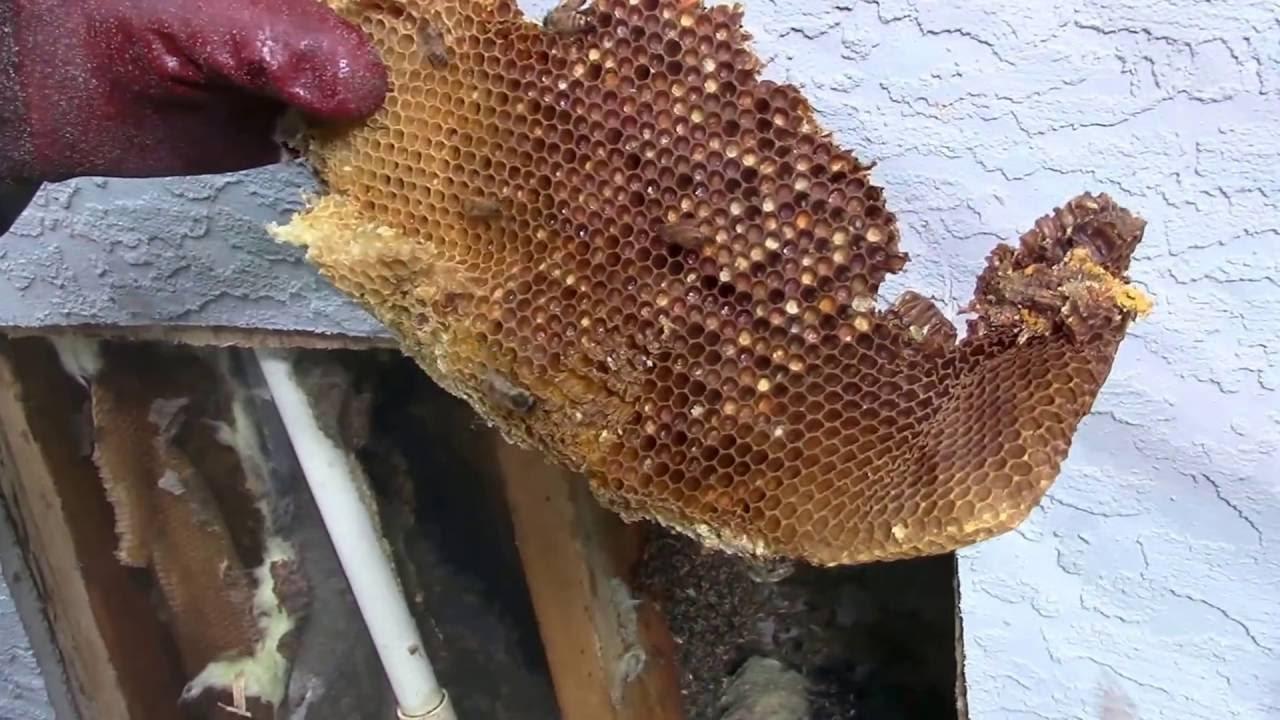
Commercial Bee Removal in Fort Worth, TX should start with identifying where bees are nesting and how they are accessing the property. For business owners, the goal is not simply to make visible bees disappear. A proper response considers employees, customers, building access, the location of the colony, and what needs to happen after removal. Bees may establish colonies in wall cavities, roof spaces, signs, soffits, trees, or other areas around commercial buildings. The safest response is to avoid disturbing the colony and arrange an appropriate inspection.
Why Are Commercial Buildings Attractive to Bees?
Commercial properties can contain many potential nesting locations. Roof overhangs, wall gaps, utility penetrations, exterior signs, storage structures, and landscaping features can create sheltered spaces where bees may establish colonies.
Restaurants, warehouses, retail stores, offices, apartment complexes, and industrial properties can also have frequent outdoor activity. Employees may notice bees around loading docks, entrances, dumpsters, landscaped areas, or rooflines.
Not every bee seen around a business indicates an infestation. Bees may simply be visiting flowering plants. Repeated movement through one opening, however, deserves closer attention.
A useful distinction is:
Texas A&M AgriLife Extension explains that honey bees can establish colonies inside buildings and that structural colonies require careful consideration during removal.
What Should Commercial Bee Removal in Fort Worth, TX Include?
Commercial removal requires more planning than simply approaching a visible hive.
A property assessment should identify the active entrance, determine the likely location of the colony, and consider how workers and customers use the surrounding area. The removal method should then be selected according to the building and colony location.
A practical commercial response can include:
-
Identify the activity: Determine where bees are entering and leaving.
-
Inspect the structure: Check rooflines, walls, signs, soffits, vents, and other accessible areas.
-
Assess pedestrian traffic: Identify entrances, sidewalks, loading areas, and employee routes near the colony.
-
Plan access: Determine how the colony can be reached without unnecessary structural disturbance.
-
Remove the colony appropriately: Use a method suited to the specific location.
-
Assess remaining material: Check whether comb or other nesting material remains accessible.
-
Review the entry point: Determine how bees gained access and whether repairs are needed.
-
Monitor the area: Watch for continuing bee activity after the removal.
This process treats the building and its occupants as part of the removal plan.
How Should Businesses Handle Bees Near Customers and Employees?
The first priority is to reduce unnecessary contact with the affected area.
If bees are concentrated near a main entrance, employees should not attempt to remove the colony with makeshift equipment. Management can redirect people away from the immediate area while arranging an appropriate inspection.
The same principle applies to warehouses and industrial facilities. If bee activity occurs near a loading dock, roof access point, electrical area, or equipment storage space, employees should avoid entering the suspected nesting area.
A simple workplace response can be:
-
Identify and document the affected location.
-
Keep employees and customers away from the immediate area.
-
Do not hit, disturb, or spray the colony.
-
Avoid blocking an active entrance.
-
Notify the property manager or responsible maintenance contact.
-
Arrange an inspection when an established colony is suspected.
Texas A&M AgriLife Extension cautions that blocking an active entrance while bees remain inside can cause them to search for another exit, potentially moving farther into the structure.
That makes premature sealing an especially poor substitute for proper removal.
A Practical Lesson From a Commercial Property
One lesson that comes up repeatedly in structural bee situations is that the location where employees see bees is not necessarily where the colony is located.
Consider a commercial building where staff notice bees around an upper doorway. The natural assumption is that the nest must be directly above the door. A closer inspection could reveal that the bees are actually entering through a gap several feet away and traveling into a concealed wall or roof cavity.
The lesson is important for property managers: track the entrance instead of assuming the nest is directly behind the visible activity.
This approach can also prevent unnecessary building damage. Cutting into a wall or removing exterior materials without first understanding the colony's location can create repair work without addressing the actual source.
Commercial properties benefit from documenting these locations. A maintenance record can note where bee activity was found, what access point was identified, and whether follow-up repairs were completed.
What Is the Difference Between Bee Removal and Bee Control?
Removal and prevention address different parts of a commercial property problem.
Bee removal focuses on an existing colony or hive. The immediate task is to determine where it is located and how it can be addressed safely.
Bee control is broader. It can include identifying conditions that attract or shelter bees, monitoring recurring activity, maintaining the building exterior, and addressing suitable entry points after an established colony has been removed.
This distinction matters because eliminating visible bee activity does not automatically address a structural opening.
For example, if bees established a colony inside a wall through an exterior gap, removing the colony addresses the current infestation. Inspecting and appropriately repairing the access point addresses part of the prevention problem.
How Can Commercial Bee Control in Fort Worth, TX Prevent Repeat Problems?
A prevention plan should begin after the current colony has been properly addressed.
Building maintenance teams can inspect areas where exterior materials meet. Roof edges, soffits, siding, wall penetrations, vents, and utility openings deserve attention during routine maintenance.
Not every opening should simply be sealed. Some openings provide necessary ventilation or drainage and require an appropriate repair or screening method.
Texas A&M AgriLife Extension recommends examining buildings for openings that can provide access to honey bees, including gaps associated with siding, pipes, wiring, and other structural features.
Commercial property managers can turn this guidance into a simple recurring inspection.
Commercial Bee Prevention Checklist
-
Inspect rooflines and soffits.
-
Check exterior wall penetrations.
-
Examine gaps around utility lines.
-
Review areas behind signs and exterior fixtures.
-
Monitor previously affected locations.
-
Keep waste containers properly closed where practical.
-
Document repairs after a colony has been removed.
-
Train staff to report unusual bee activity instead of disturbing it.
The benefit of this approach is consistency. Employees do not need to identify the bee species or diagnose a colony. They only need to recognize unusual activity and report its location.
When Should a Business Arrange a Professional Inspection?
A business should consider an inspection when bee activity repeatedly occurs at one location, particularly when bees enter a structural opening.
An inspection is also useful when buzzing can be heard inside a wall, ceiling, roof area, or another enclosed space. A suspected colony near a busy customer entrance or employee work area deserves prompt attention because the location creates additional practical concerns.
Businesses should avoid treating every bee sighting as an emergency. At the same time, repeated structural activity should not be ignored simply because the bees are outside most of the time.
The key is to distinguish occasional foraging from sustained activity associated with a particular building location.
FAQ
How can I tell if my commercial property has a bee colony?
Repeated bee traffic through the same structural opening is one useful warning sign. Bees entering walls, roofs, soffits, or other enclosed areas can indicate that a colony has established itself inside the property.
Should employees remove a hive themselves?
Employees should not disturb an established colony with improvised tools or chemicals. Management should keep people away from the immediate area and arrange an appropriate assessment.
Does bee removal solve the problem permanently?
Removing the active colony does not necessarily address the building opening that allowed it to enter. After removal, the property should be evaluated for remaining nesting material and potential access points so appropriate maintenance can be completed.
Conclusion
Commercial Bee Removal in Fort Worth, TX is most effective when the response considers the entire property rather than only the bees that employees can see. Identifying the colony's location, controlling access around the affected area, planning removal carefully, and reviewing the structure afterward creates a more complete approach.
The clearest takeaway for Fort Worth businesses is simple: observe first, protect people from the immediate area, locate the colony, and address the building conditions after removal. A consistent inspection and maintenance routine can also help commercial properties identify potential bee access points before they become recurring problems.

 Bangla