


Alopecia Areata Treatment Guide to Hair Loss Causes and Care Options
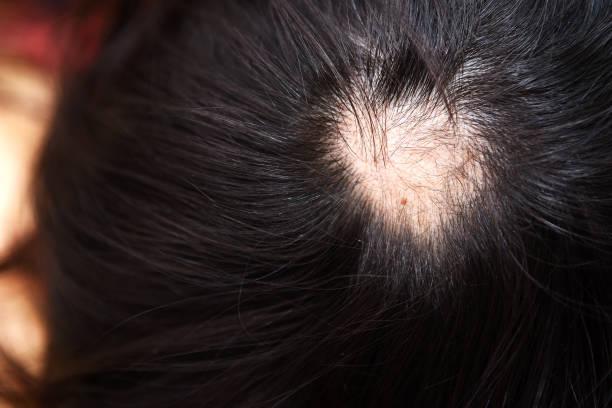
Hair loss can be difficult to understand when it appears suddenly or develops in clearly defined patches. Alopecia areata is an autoimmune condition that affects hair follicles and can interrupt normal hair production. Learning about Alopecia Areata Treatment in Riyadh can help individuals understand potential causes, recognize important symptoms, and explore suitable care options for managing hair loss and supporting regrowth.
Understanding Alopecia Areata
Alopecia areata occurs when the immune system mistakenly attacks hair follicles, causing them to temporarily stop producing hair. It commonly affects the scalp but can also involve eyebrows, eyelashes, beard areas, and other body hair. The condition can range from a few small patches to more extensive hair loss.
Recognizing Common Symptoms
The most recognizable sign is a smooth, round or oval patch where hair has suddenly disappeared. Some people may notice short broken hairs around the edges of affected areas. Nail changes can also occur in some individuals, making a professional evaluation useful when multiple symptoms appear.
Understanding Why Hair Loss Occurs
The exact cause of alopecia areata is not completely understood. Immune-system activity plays a central role, while genetic susceptibility and environmental factors may influence its development. Stress can occur around the time symptoms appear, but it is not necessarily the direct cause.
Other Causes of Patchy Hair Loss
Alopecia areata is only one possible explanation for sudden or patchy hair loss. Fungal scalp infections, inflammatory disorders, traction from hairstyles, and other types of alopecia can produce similar changes. Identifying the underlying cause is therefore an important part of effective care.
Why Diagnosis Matters
A specialist can examine the scalp and hair, review the pattern and progression of hair loss, and determine whether additional tests are needed. Accurate diagnosis helps prevent confusion between conditions that may require different management approaches.
Care and Treatment Options
Treatment depends on factors such as the extent of hair loss, affected areas, duration, age, and previous response to treatment. Depending on the clinical assessment, a dermatologist may consider topical medications, corticosteroid injections, systemic therapies, or newer targeted medicines. Some limited cases may also be monitored because natural regrowth can occur.
Supporting Hair Regrowth
Affected follicles may remain capable of producing new hair. During recovery, new strands can initially be fine or lighter in color before becoming thicker and more noticeable. Follow-up appointments can help assess these changes and determine whether further care is appropriate.
Managing Hair Loss Over Time
Alopecia areata can behave differently from one person to another. Hair may regrow in one area while another patch remains unchanged or a new patch appears. Monitoring the scalp and reporting new changes can help maintain an appropriate management strategy.
Protecting the Scalp and Hair
Gentle cleansing and avoiding unnecessary heat, tight hairstyles, and harsh chemical treatments can reduce additional stress on the hair and scalp. Areas with reduced hair coverage should also be protected from excessive sunlight.
Supporting Confidence During Hair Loss
Changes in hair appearance can affect confidence as well as daily routines. Understanding the condition can help replace uncertainty with practical knowledge. Cosmetic concerns can also be discussed with a specialist while medical management focuses on the underlying condition and potential regrowth.
Why Personalized Care Is Important
There is no single treatment approach that works identically for everyone. A personalized plan considers the size and number of patches, affected areas, previous episodes, and response to treatment. This allows care to be adapted as the condition develops.
When to Seek Professional Guidance
Sudden, spreading, or recurring hair loss should not be ignored. A professional assessment can help determine whether the changes are consistent with alopecia areata or another hair or scalp condition. Earlier evaluation may provide clearer options for managing the concern.
Book an Appointment
If you are concerned about patchy hair loss and want to understand its possible cause and care options, a professional consultation can provide personalized guidance. At Royal Clinic Saudi, specialists can assess your hair and scalp and discuss a suitable approach based on your individual condition and treatment needs.
FAQs:
What causes alopecia areata?
It is linked to an autoimmune response affecting hair follicles.
Can alopecia areata affect areas other than the scalp?
Yes, it can affect eyebrows, eyelashes, and beard areas.
Can hair grow back after alopecia areata?
Yes, natural or treatment-supported regrowth may occur.
When should I seek professional advice?
Seek guidance when hair loss is sudden, spreading, or recurring.

 Bangla