

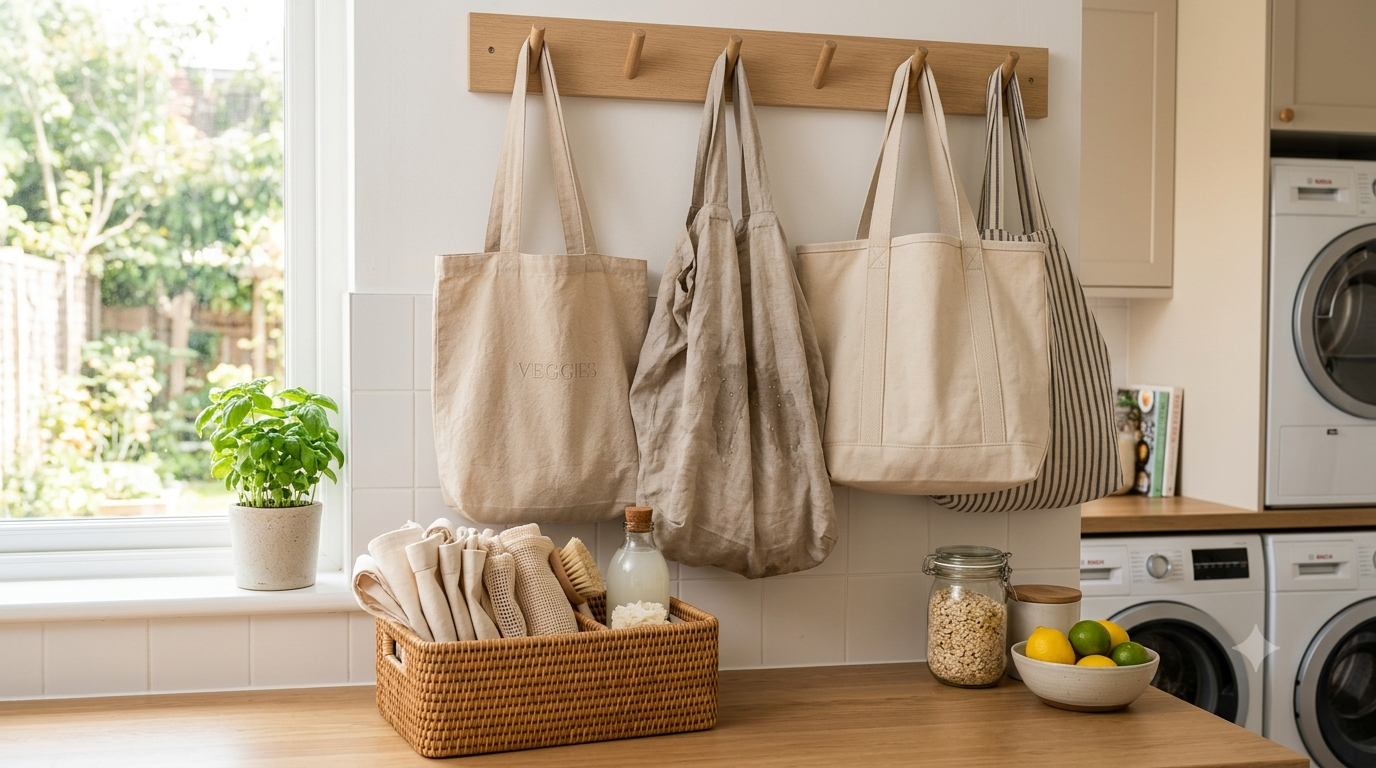

Reusable grocery bags are designed to be used again and again, but their useful life depends greatly on how they are selected, handled, cleaned, and stored. A well-made fabric bag can become a dependable part of a regular shopping routine, while poor loading habits or inadequate care can cause handles, seams, and fabric to wear more quickly.
Whether you use cotton totes for weekly groceries, linen bags for market visits, or stronger canvas bags for heavier products, a few simple habits can help keep them functional and presentable.
Start With the Right Bag for the Job
One of the easiest ways to extend the life of a reusable bag is to avoid using it beyond its intended purpose.
A lightweight fabric tote should not regularly be loaded with heavy bottles or large quantities of canned food. Similarly, a compact shopping bag may not be suitable for a large weekly grocery trip.
When comparing the best grocery bags reusable shoppers can use, consider the expected load rather than choosing a bag based only on its appearance.
Matching the bag to the shopping task can reduce unnecessary stress on the fabric and handles.
Choose Durable Materials
Material plays an important role in long-term use.
Cotton is a versatile choice for everyday shopping and can work well for moderate loads. Linen offers a lightweight option for smaller purchases and market trips. Canvas generally provides a more structured construction for shoppers who need additional support.
The best reusable bags for groceries should have a material appropriate for the type of products they will regularly carry.
Look for fabric that feels suitable for the expected load and construction that appears secure around high-stress areas.
Examine the Handles and Seams
Handles receive significant stress whenever a grocery bag is lifted.
Before purchasing a reusable bag, inspect the points where the handles connect to the main body. Reinforced stitching can help support repeated carrying.
The bottom seam is another area worth checking. A strong base can provide additional support when the bag contains several heavy or bulky items.
Regularly inspect these areas during use. If you notice loose threads or weakened stitching, address the issue before carrying another heavy load.
Avoid Overloading Your Grocery Bags
A bag may have enough physical space for many groceries without necessarily being designed to carry all of them at once.
Overloading can put additional pressure on:
-
Handles
-
Side seams
-
Bottom seams
-
Fabric
-
Stitching
Instead of placing every item into one large tote, distribute groceries among several bags.
For example, divide bottles and cans between two sturdy bags instead of putting them all into one. Lightweight products such as bread and packaged snacks can go into another tote.
This makes bags easier to carry and can help reduce unnecessary stress on their construction.
Organize Groceries by Weight
How groceries are packed can affect both the bag and the products inside it.
Place heavier items at the bottom of a sturdy bag and lighter items toward the top. Keep fragile products away from heavy cans, jars, and bottles.
A simple organization system might look like this:
Heavy items: Canned foods, bottles, jars, and packaged staples.
Medium-weight items: Boxes, containers, and standard grocery products.
Light items: Bread, bakery products, snacks, and lightweight packaging.
Delicate items: Fruits, vegetables, and other products that can bruise or become damaged.
This arrangement can make unloading easier while protecting the contents of the bag.
Keep a Washable Grocery Bag Clean
A washable grocery bag is especially useful for frequent shoppers because fabric bags can occasionally collect food particles, dust, or moisture.
After every shopping trip, empty the bag completely. Check the inside for crumbs, receipts, or small pieces of packaging.
If there is a spill, clean it as soon as practical according to the fabric's care instructions.
Different materials may have different cleaning requirements, so avoid assuming that every cotton, linen, or canvas bag should be washed in exactly the same way.
Follow Proper Washing Instructions
Washing can help maintain reusable fabric bags, but improper cleaning can affect their shape or appearance.
Before washing a bag, check its care instructions. Pay attention to recommended water temperature, detergent type, drying method, and whether machine washing is appropriate.
Some fabric bags may benefit from gentle washing and air drying.
After washing, make sure the bag is completely dry before folding it away. This is particularly important for natural fabrics because storing damp textiles can lead to unpleasant odors.
Let Bags Dry Properly
Moisture can become a problem when reusable grocery bags are placed into storage before they are fully dry.
After cleaning, open the bag completely and allow air to circulate through the interior. Hang or place it in a suitable drying area according to the care instructions.
Do not immediately fold a damp bag and place it inside a drawer or cupboard.
A completely dry bag is easier to store and ready for its next use.
Store Bags in an Accessible Location
Good storage encourages regular reuse.
If reusable bags are hidden at the back of a cupboard, they are easier to forget before leaving for the store. Instead, choose a convenient location near the entrance, kitchen, pantry, or shopping area.
Compact bags can also be kept inside larger totes. If you drive to the supermarket, storing a few clean bags in the vehicle can provide a convenient backup.
Keep used or damp bags separate from clean ones.
Keep Different Bags for Different Purposes
Using separate bags for different activities can help reduce unnecessary wear.
For example, grocery bags can be reserved primarily for food shopping, while another tote can be used for books, clothing, or household items.
Within grocery shopping, different bags can also have different roles.
A lightweight linen bag might be used for bakery products, while a stronger cotton or canvas bag can carry heavier pantry items.
This allows each bag to be used within a suitable range.
Repair Small Problems Early
Small issues can become larger problems if ignored.
If you notice a loose thread, minor seam opening, or slightly detached handle, consider repairing it before the next heavy shopping trip.
Regularly checking reusable bags takes only a few moments.
Look for:
-
Loose stitching
-
Small fabric tears
-
Damaged handles
-
Worn bottom seams
-
Persistent stains
-
Broken closures, if present
Early attention can help keep a useful bag in service for longer.
Avoid Carrying Sharp Objects Without Protection
Sharp corners from packaging can damage fabric.
Cans, boxes with sharp edges, tools, or other pointed objects should be packed carefully. If necessary, position them so their edges do not rub directly against the bag.
Heavy glass jars should also be arranged securely to reduce movement during transportation.
Thoughtful packing protects both the groceries and the reusable bag.
Choose Reusable Fabric Shopping Bags According to Your Routine
Reusable fabric shopping bags come in many sizes and materials. The right selection depends on how frequently you shop and what you normally purchase.
A practical collection could include:
-
Lightweight cotton bags for quick trips
-
Linen bags for lighter market purchases
-
Medium totes for everyday groceries
-
Heavy-duty canvas bags for dense products
-
Compact foldable bags for unexpected shopping
This combination gives shoppers flexibility without requiring every bag to perform the same job.
Consider Everyday Versatility
A durable reusable grocery bag can also be useful outside the supermarket.
Cotton totes can carry books, clothing, or personal items. Linen bags can work for lightweight purchases, while stronger fabric totes can be useful for household supplies.
Using a bag for multiple practical purposes can make it a more useful part of everyday life.
Choosing Textile Products for Regular Use
When exploring cotton and linen household products, shoppers may come across brands such as All Cotton and Linen, which focuses on cotton and linen textiles for everyday home applications.
When choosing a reusable bag, however, it is useful to look beyond the brand name and examine practical details such as material, dimensions, construction, handle design, washing requirements, and intended capacity.
When Is It Time to Replace a Reusable Bag?
Even a well-maintained reusable bag will eventually show signs of wear.
Consider replacing a bag when the fabric has become significantly weakened, handles can no longer safely support normal loads, or important seams are badly damaged.
A small stain or minor cosmetic imperfection does not necessarily mean a bag is no longer useful. Functional condition is more important than appearance.
If a bag can no longer safely carry the products it was designed for, it should not be used for heavy shopping.
Final Thoughts
The best grocery bag is not simply the one with the largest capacity or strongest fabric. It is a bag that matches the intended shopping task and is cared for properly.
Choosing suitable materials, avoiding overloading, distributing weight, cleaning bags correctly, drying them completely, and storing them properly can all contribute to longer and more practical use.
Whether you prefer cotton totes, linen bags, canvas carriers, or other reusable fabric shopping bags, good care can help them remain a reliable part of your shopping routine. With a small collection of appropriately sized bags and a few consistent habits, reusable grocery shopping can become simple, organized, and convenient.
