

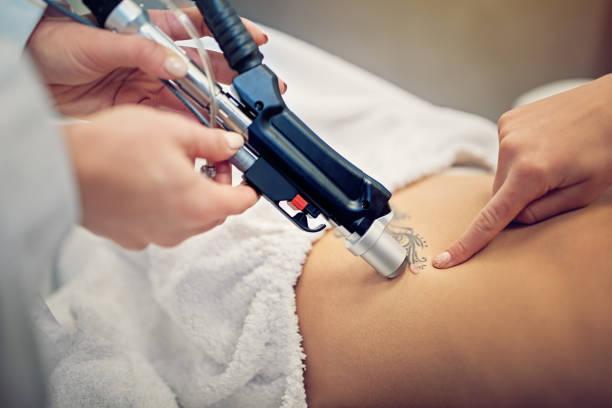

Removing an unwanted tattoo involves more than targeting the visible ink; understanding how the skin responds afterward is also important. Modern Laser tattoo removal in Riyadh uses focused laser energy to break tattoo pigments into smaller particles, allowing the body to gradually process them. Knowing what to expect during recovery can help individuals approach treatment with realistic expectations and better understand the importance of appropriate aftercare.
How Laser Treatment Works
Laser tattoo removal uses controlled pulses of light energy directed toward tattoo pigments beneath the skin. The energy interacts with the ink and breaks larger particles into smaller fragments. The body can then gradually process these fragments through its natural mechanisms. Treatment settings are adjusted according to factors such as ink color, pigment depth, tattoo density, skin characteristics, and treatment area.
Why Skin Recovery Is Important
The skin needs time to recover after laser treatment because the procedure intentionally targets tattoo pigment within the treated area. Temporary sensitivity or other normal skin responses may occur as the area begins to recover. Giving the skin appropriate time between treatments allows it to settle while the body continues processing the fragmented ink.
What to Expect After Treatment
The treated area may feel different for a short period following a laser session. Temporary redness, sensitivity, warmth, or swelling can occur depending on individual skin response. These effects can vary from person to person. Following professional aftercare instructions is important rather than attempting to manage the treated area with unapproved products or methods.
Why Multiple Sessions May Be Needed
Tattoo removal is generally performed gradually because the body needs time to process fragmented pigment. One session may not address all of the tattoo ink, so additional treatments can be considered according to the tattoo's response. Appropriate intervals between sessions also allow the skin to recover before further laser treatment.
Factors That Affect Skin Recovery
Recovery can vary depending on the treatment area, tattoo characteristics, skin type, and individual response. Larger tattoos or tattoos with dense pigmentation may require different treatment considerations than smaller designs. Previous treatments can also influence how the skin responds. A professional assessment helps identify factors that may affect the recovery process.
Caring for the Treated Skin
Following professional aftercare guidance is an important part of recovery. The treated area should be kept comfortable and protected from unnecessary rubbing, scratching, or irritation. Excessive sun exposure may also need to be avoided because treated skin can be more sensitive. Patients should follow the specific care instructions provided by their treatment professional.
The Importance of Sun Protection
Sun exposure can be an important consideration following laser treatment. Recently treated skin may be more sensitive, so protecting the area from excessive sunlight can support appropriate recovery. Professional guidance should be followed regarding sun protection and when normal activities can be resumed. Avoiding unnecessary exposure can also help reduce irritation during the recovery period.
Exploring Laser Tattoo Removal and Recovery
Choosing Laser tattoo removal in Riyadh means considering both the tattoo fading process and the skin's recovery needs. Modern laser treatment focuses on targeted pigment reduction, while appropriate intervals and aftercare allow the skin and body time to respond. Understanding these stages can help individuals prepare for a gradual treatment journey.
When to Seek Professional Guidance
Professional guidance is valuable if the treated area develops an unexpected or persistent reaction. Instead of applying unfamiliar products or attempting home treatments, patients should contact their treatment provider for appropriate advice. Regular professional guidance can help ensure that recovery is monitored according to the individual's treatment plan and skin response.
Setting Realistic Recovery Expectations
Every person's skin can respond differently after laser tattoo removal. Recovery time may depend on treatment intensity, tattoo characteristics, skin type, and individual healing. Gradual improvement should be expected rather than immediate results. Understanding these differences can help individuals remain patient and follow their recommended treatment and aftercare routine.
Book an Appointment
If you are considering Laser tattoo removal in Riyadh, a professional consultation can help you understand the treatment process and skin recovery requirements. Royal Clinic Saudi can assess your tattoo and skin characteristics while providing guidance about treatment and aftercare. Book an appointment to discuss your goals and learn more about a suitable tattoo removal approach.
FAQs:
How long does skin recovery take after laser tattoo removal?
Recovery varies according to the treatment and individual skin response.
Can the treated area feel sensitive afterward?
Yes, temporary sensitivity can occur after treatment.
Why is aftercare important?
It helps support the skin while it recovers.
Should sun exposure be limited after treatment?
Yes, follow professional guidance regarding sun protection.
