


Common Gate Problems Alvin Homeowners Face and How to Fix Them
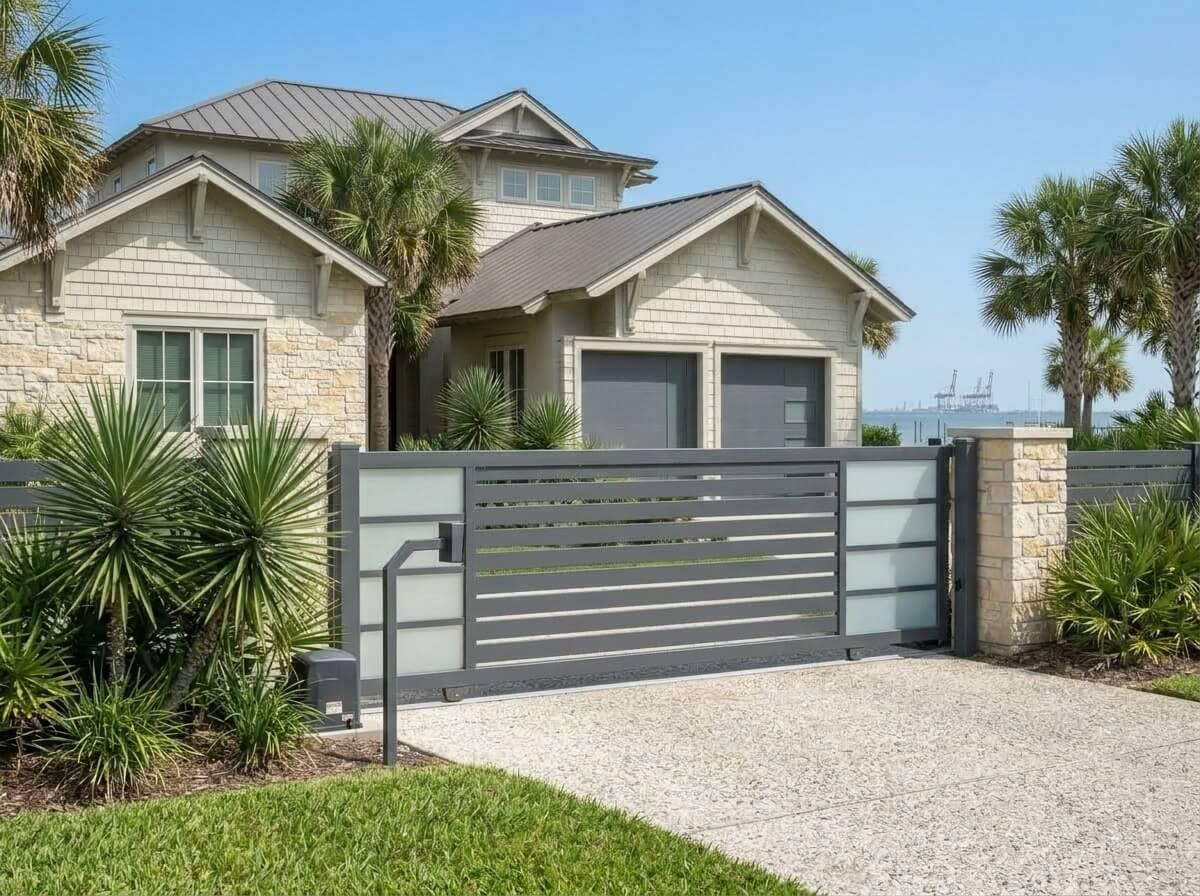
A driveway or automatic gate adds security, privacy, and curb appeal to a property, but like any mechanical system exposed to the outdoors, it eventually runs into problems. For homeowners searching for gate repair in Alvin TX, the issues that come up tend to follow a fairly predictable pattern, whether it's a gate that's slowed down, one that won't respond to the remote, or hardware that's started to show its age.
This guide walks through the most common gate problems Alvin homeowners encounter, what typically causes them, and which issues are reasonable to troubleshoot yourself versus when it's time to call a professional.
Why Gates in Alvin Face Specific Challenges
Automatic and manual gates in this area deal with a combination of factors that can accelerate wear compared to more sheltered environments:
-
Humidity, which contributes to rust on metal hinges, hardware, and gate frames
-
Heat exposure, affecting lubrication and the performance of electronic components on automatic systems
-
Heavy rain and occasional flooding, which can affect underground wiring or ground-level hardware
-
Regular exposure to dirt and debris, particularly for gates near unpaved driveways or landscaped areas
None of this means a gate is destined to develop constant problems, but it does mean routine attention pays off more here than it might in a drier, more sheltered climate.
Common Gate Problems and Their Likely Causes
1. The Gate Won't Open or Close
This is one of the most frequent issues homeowners run into, and it typically stems from one of the following:
-
A dead battery in the remote or keypad
-
A power supply issue affecting the gate's operator or opener
-
Misaligned or obstructed safety sensors
-
A mechanical obstruction along the gate's track or swing path
Quick check: Start with the remote batteries and confirm the gate operator has power. If those check out, inspect the safety sensors for dirt, misalignment, or obstructions, since many systems won't operate if a sensor isn't reading correctly.
2. Slow or Inconsistent Movement
A gate that's noticeably slower than it used to be, or moves inconsistently through its cycle, often points to:
-
Worn rollers or track debris on sliding gates
-
Hinge wear on swing gates
-
A weakening motor on automatic systems
-
Low lubrication on moving components
3. Unusual Noise During Operation
|
Sound |
Likely Cause |
|
Grinding or scraping |
Track debris or worn rollers |
|
Squeaking |
Needs lubrication on hinges or rollers |
|
Clicking with no movement |
Motor or gear issue |
|
Rattling |
Loose hardware or brackets |
Routine lubrication resolves many minor noise issues, while persistent grinding or clicking often signals something mechanical that needs closer inspection.
4. Misaligned or Sagging Gates
Over time, gates, particularly heavier swing gates, can begin to sag or shift out of alignment. This is often due to:
-
Loosened hinge bolts
-
Ground settling near the gate post
-
Wear on the hinge pins themselves
A sagging gate isn't just a cosmetic issue. It can cause the gate to drag, catch on the ground, or fail to latch properly, which affects both function and security.
5. Automatic Gate Won't Respond to Remote or Keypad
For automatic gates specifically, unresponsiveness can stem from several sources:
-
Dead or low remote batteries
-
A malfunctioning receiver or control board
-
Signal interference from nearby electronic devices
-
Programming issues after a power outage
6. Rust and Corrosion on Hardware
Given the local humidity, rust is a common issue on hinges, tracks, and gate frames, particularly for gates made from standard steel rather than corrosion-resistant materials. Surface rust is often manageable with cleaning and protective coatings, but rust that's spread into structural components is a stronger sign that repair or hardware replacement is needed.
7. Safety Sensor Malfunctions
Automatic gates typically include safety sensors designed to stop or reverse movement if an obstruction is detected. A malfunctioning sensor can cause the gate to stop unexpectedly, refuse to close, or in more serious cases, fail to detect an actual obstruction, which is a safety concern worth addressing promptly.
DIY vs. Professional Gate Repair
|
Task |
DIY-Friendly? |
Notes |
|
Replacing remote batteries |
Yes |
Simple and quick |
|
Cleaning safety sensors |
Yes |
Wipe clean and check alignment |
|
Lubricating hinges and rollers |
Yes |
Use appropriate lubricant for outdoor hardware |
|
Tightening loose hardware |
Yes, with caution |
Check hinge bolts and brackets |
|
Realigning a sagging gate |
Sometimes |
Depends on severity and cause |
|
Motor or control board repair |
No |
Requires electrical knowledge and diagnostic tools |
|
Track or post replacement |
No |
Structural work best left to professionals |
As a general rule, anything involving the gate's motor, wiring, or structural alignment is worth bringing in a professional, both for safety and to avoid further damage from an incorrect fix.
Preventive Maintenance Tips
A bit of routine care can meaningfully reduce how often gate problems show up:
-
Lubricate hinges, rollers, and tracks every few months
-
Clean safety sensors regularly, keeping them free of dust, dirt, or debris
-
Inspect for rust periodically, especially after heavy rain
-
Check remote and keypad batteries before they fully die
-
Test the gate's auto-reverse or obstruction detection feature periodically
-
Clear debris from tracks on sliding gates to prevent buildup
When to Call a Professional
Certain signs point clearly toward professional repair rather than continued troubleshooting:
-
The gate won't move at all, even after checking power and batteries
-
Visible structural damage to the gate frame, hinges, or posts
-
The motor runs but the gate doesn't move
-
Safety sensors aren't functioning correctly
-
The same issue keeps recurring despite repeated attempts to fix it
For homeowners dealing with a persistent or more complex issue, working with an experienced provider of gate repair Alvin TX residents trust ensures the diagnosis accounts for both the mechanical and electronic components involved, rather than addressing only the most visible symptom.
Choosing the Right Provider
When comparing options for Alvin TX gate repair, homeowners should look for:
-
Licensing and insurance, confirmed directly rather than assumed
-
Experience with both manual and automatic gate systems
-
Transparent, written estimates before work begins
-
Warranty coverage on both parts and labor
-
Familiarity with local climate factors, including humidity and rust-related wear
A provider like Level Up Garage Door Pros, offering gate repair in Alvin TX alongside their broader range of services, brings the advantage of technicians experienced with the mechanical systems common to both gates and garage doors, which often share similar hardware, motor, and safety sensor components.
Frequently Asked Questions
How often should I have my automatic gate professionally inspected? Once a year is a reasonable baseline for most residential gates, though heavily used gates or those showing early signs of wear may benefit from more frequent checkups.
Why does my gate sometimes stop working after a storm? Power disruptions, water intrusion near ground-level wiring, or debris affecting sensors are common causes. If the issue persists after power is restored, a professional inspection can rule out storm-related damage.
Can I repair a sagging gate myself? Minor sagging caused by loose hinge bolts is sometimes a manageable DIY fix, but more significant sagging related to ground settling or structural wear is best assessed by a professional.
Is it normal for gate hardware to rust in this area? Some surface rust is common given local humidity, particularly on standard steel hardware. Regular cleaning and protective coatings can help slow this process, and corrosion-resistant materials are worth considering for new installations or major repairs.
What should I do if my gate's remote stops working but the keypad still functions? This usually points to a dead battery or a programming issue with the remote specifically, rather than a problem with the gate operator itself. Replacing the battery or reprogramming the remote often resolves it.
Final Thoughts
Most gate problems Alvin homeowners encounter fall into a handful of recognizable categories, from dead batteries and dirty sensors to worn hinges and aging motors. Knowing how to troubleshoot the simpler issues can save time, while recognizing when a problem calls for professional attention helps avoid further damage or safety concerns. With a bit of routine maintenance and prompt attention to early warning signs, most gates can be kept running reliably for years without major disruption.

 Bangla