

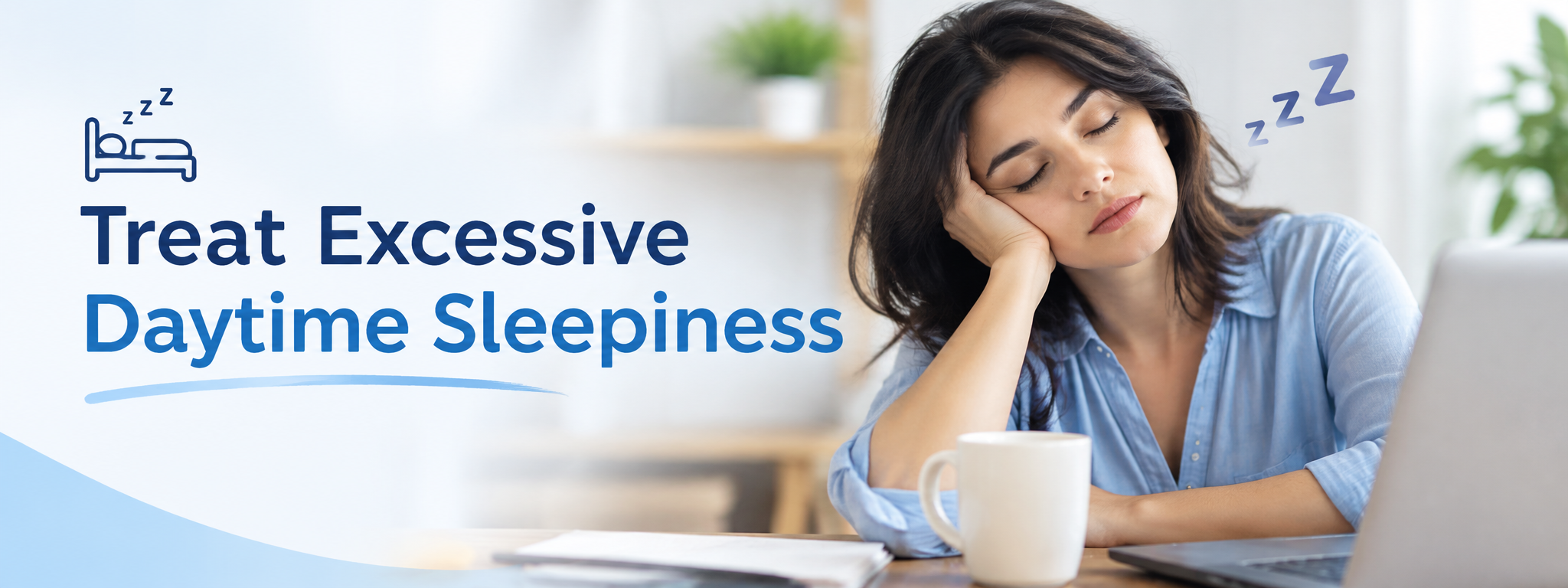

Daytime tiredness and sleepiness can make simple daily activities feel harder. You may struggle to stay focused at work, feel low on energy during the afternoon, or find yourself fighting the urge to sleep during meetings, classes, or routine tasks. Occasional tiredness often improves with better rest and healthy habits, but regular daytime sleepiness can sometimes point to an underlying sleep or health concern.
When daytime sleepiness continues, some people may discuss wakefulness treatment options with a healthcare professional. Modafresh 200 and Modalert 200 are treatment keywords associated with products used for wakefulness, but you should only use such treatment when a qualified healthcare professional considers it appropriate for your condition. The right approach depends on the reason behind your excessive sleepiness, your health history, and other individual factors.
What Causes Daytime Tiredness?
Daytime tiredness can develop for many reasons. Poor sleep remains one of the most common causes. Going to bed late, waking frequently during the night, or changing your sleep schedule often can prevent your body from getting enough restorative sleep.
Stress can also affect your energy levels. Work pressure, personal responsibilities, and an irregular daily routine may make it difficult to relax at night. As a result, you may wake up feeling tired and remain sleepy during the day.
Your lifestyle can also influence daytime energy. Spending most of the day sitting, skipping regular meals, not drinking enough water, or following an inconsistent sleep schedule may contribute to tiredness.
Persistent sleepiness may also occur with certain sleep disorders. If you regularly feel unable to stay awake despite getting enough time in bed, consider speaking with a healthcare professional for an appropriate evaluation.
Keep a Consistent Sleep Schedule
One of the easiest ways to support better daytime energy involves maintaining a regular sleep routine. Try to go to bed and wake up at approximately the same time each day, including weekends.
A consistent schedule helps your body follow a predictable sleep-wake rhythm. Avoid regularly staying awake very late and then trying to recover by sleeping much longer on another day.
Give yourself enough time for sleep according to your individual needs. If you continue to feel exhausted after getting adequate sleep, discuss the problem with a healthcare professional rather than simply increasing your time in bed.
Create a Comfortable Sleep Environment
Your bedroom can affect the quality of your sleep. Keep the room comfortable, quiet, and dark when possible. Reduce unnecessary noise and avoid activities that keep your mind highly active close to bedtime.
Electronic screens can also make it harder to relax before sleep. Consider putting your phone and other devices away before bedtime. Instead, choose a calm activity that helps you prepare for sleep.
A comfortable nighttime routine can make it easier to fall asleep and support better rest throughout the night.
Get Natural Light During the Day
Natural light can help your body recognize the difference between daytime and nighttime. Try spending some time outdoors during the morning or early part of the day.
A short outdoor walk can provide both daylight exposure and gentle physical activity. If you work indoors, take regular breaks and spend some of them outside when practical.
This simple habit can help you feel more alert during the day while supporting a healthier daily routine.
Add Regular Physical Activity
Physical activity can help support overall energy and well-being. You do not necessarily need an intense workout to become more active.
Walking, stretching, cycling, or other enjoyable activities can fit into a normal daily routine. If you spend long periods sitting, stand up and move around at regular intervals.
Try to choose activities that you can maintain consistently. A realistic routine often works better than an intense schedule that becomes difficult to follow.
Eat Regular, Balanced Meals
Your eating routine can also affect how you feel during the day. Skipping meals may leave you feeling weak or low on energy, while very heavy meals may make you feel sluggish afterward.
Choose regular meals that include a variety of nutritious foods. Include sources of protein, whole grains, vegetables, fruits, and other foods that fit your dietary needs.
Pay attention to how different foods affect your energy. Keeping meals consistent can help you avoid large changes in energy throughout the day.
Drink Enough Water
Even mild dehydration can make you feel tired or less focused. Keep water available throughout the day and drink regularly.
Your fluid needs can vary depending on your activity level, weather, diet, and other factors. People living or working in warmer conditions, including parts of Australia, may need to pay particular attention to fluid intake.
Instead of waiting until you feel very thirsty, make drinking water a regular part of your daily routine.
Manage Stress Before Bedtime
Stress can make it difficult to switch off at night. If your mind stays busy when you go to bed, try creating a simple wind-down routine.
Deep breathing, gentle stretching, reading, or writing down tomorrow's tasks may help you relax. Avoid using bedtime to complete stressful work whenever possible.
Managing stress during the day can also support better nighttime rest. Make time for activities that help you relax and maintain a healthy balance between work and personal life.
Limit Habits That Disrupt Sleep
Certain habits can make nighttime sleep more difficult. Avoid consuming large amounts of caffeine late in the day if it affects your sleep. Also, avoid using your bed for activities that keep you mentally alert.
Long daytime naps can sometimes interfere with nighttime sleep. If you need a nap, keep it short and avoid taking it too close to your normal bedtime.
Small changes can make your sleep routine more consistent without requiring major lifestyle changes.
When Should You Seek Professional Help?
Occasional tiredness usually improves when you correct poor sleep habits or get enough rest. However, frequent or severe daytime sleepiness deserves attention.
Speak with a healthcare professional if you regularly struggle to stay awake, feel extremely tired despite adequate sleep, or notice that sleepiness affects your work, studies, driving, or daily responsibilities.
People in the UK and Australia can discuss persistent sleep problems with an appropriate healthcare professional or local health service. A professional can help identify possible causes and suggest suitable next steps.
Do not start, stop, or change wakefulness treatment on your own. A healthcare professional should assess whether treatment is appropriate and explain how to use it safely.
A Simple Daily Routine Can Help
Reducing daytime tiredness does not always require complicated changes. Start with a regular sleep schedule, natural daylight, daily movement, balanced meals, enough water, and a relaxing bedtime routine.
If these steps do not improve persistent sleepiness, seek professional advice. Finding the underlying cause is important because ongoing daytime sleepiness can affect concentration, productivity, safety, and quality of life.
For people researching treatment options online, BuyRxSafe provides a convenient platform for exploring healthcare products. Always make informed decisions and follow appropriate medical guidance when considering treatment for excessive daytime sleepiness.
