

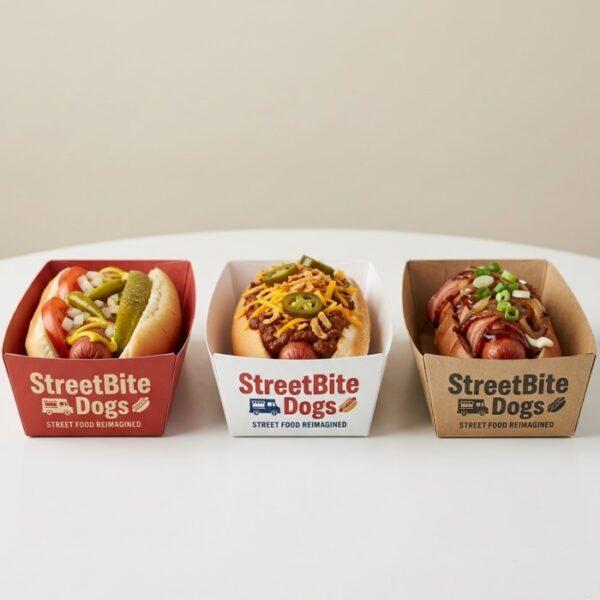

Grab-and-go meals are now a common choice for busy customers. People often pick up food on the way to work, school, home, or another activity. Because these meals are eaten away from a dining table, restaurants need to think about more than just the food itself.
Good packaging can make a meal easier to carry, open, eat, and store. For example, custom printed hot dog trays can help keep a hot dog in place while giving customers a simple way to enjoy it without needing a plate.
Make Packaging Easy to Carry
A grab-and-go meal should be comfortable to carry. Customers may have a drink, phone, bag, or other items with them while leaving the restaurant.
Packaging should have a practical size and shape. It should not be too large for the food or difficult to hold with one hand. Containers that stay closed during normal movement can also reduce spills.
Restaurants can test packaging by carrying it through a short walk or placing it in a takeaway bag. Small tests can reveal problems before customers experience them.
Keep Food Secure During Travel
Food can move around during transportation. This is especially common when customers walk, drive, or use public transport after picking up their meal.
A good container should keep food in a stable position. The lid should fit properly, and the base should be strong enough to support the meal.
For foods with sauces or toppings, extra attention is needed. A secure package can help reduce leaks and keep different parts of the meal from mixing together.
Choose the Right Size
Packaging that is too small can crush food. Packaging that is too large can allow food to move around.
Restaurants should match the container size to the portion being served. This creates a better fit and can also reduce unnecessary packaging material.
The right size can be especially useful for sandwiches, wraps, burgers, fries, and other foods that customers may eat shortly after leaving the restaurant.
Make Meals Easy to Open
Customers should not have to struggle with their food package. Complicated closures can be frustrating, especially when someone is hungry or eating while away from home.
Simple lids, folds, tabs, and openings can make a big difference. Restaurants should also make sure the package can be opened without damaging the food.
It is useful to test packaging with different types of customers. What seems simple to one person may be difficult for another.
Protect Food Quality
Packaging should help food reach the customer in a condition that is close to how it was served.
Hot foods need suitable containers that can handle heat. Crispy foods may need packaging that allows some airflow so they do not become overly soft. Cold foods need containers that can help maintain their condition during short trips.
Restaurants should consider the type of food before choosing one packaging style for every meal.
Keep Packaging Clean and Food-Safe
Food packaging comes into direct contact with meals, so cleanliness and food safety are important. Restaurants should use suitable materials and store packaging in clean, dry areas.
Employees should also handle containers carefully during food preparation and packing. Packaging should not be placed on dirty surfaces or handled unnecessarily.
Simple procedures can help keep the packing process clean and consistent during busy periods.
Think About the Customer Experience
The meal does not stop being a restaurant experience when the customer walks out the door. Packaging becomes part of that experience.
A neat container can make food easier to handle. Clear labeling can help customers identify their meals. A package that keeps food together can reduce mess and make eating more comfortable.
These small details can matter when customers are deciding whether a restaurant is convenient for future takeaway meals.
Add Useful Branding Details
Grab-and-go packaging can also support a restaurant's visual identity. A logo, restaurant name, website, or simple design can help customers remember where their meal came from.
However, branding does not need to cover every part of the package. A clean and readable design can often be more useful than a crowded one.
Restaurants can also use packaging to provide practical information, such as reheating instructions, allergy reminders, or basic storage guidance.
Test Packaging Before Using It Widely
Restaurants should test new packaging with real meals before making a full switch. A container may look good but perform poorly with certain foods.
Staff can check whether the package leaks, stays closed, protects the food, and remains easy to carry. They can also ask a small group of customers for feedback.
This process helps restaurants find problems early. It also gives teams a better understanding of how packaging performs during actual grab-and-go situations.
Conclusion
Making grab-and-go meals easier to enjoy requires attention to simple details. Restaurants can choose packaging that is easy to carry, secure, open, clean, and suited to the food being served. They can also improve the experience through clear labeling and thoughtful branding. Using suitable materials such as custom food wrap paper can further help restaurants present and protect food while keeping takeaway meals practical for customers.
