


How Dental Fillings Help Protect Your Teeth
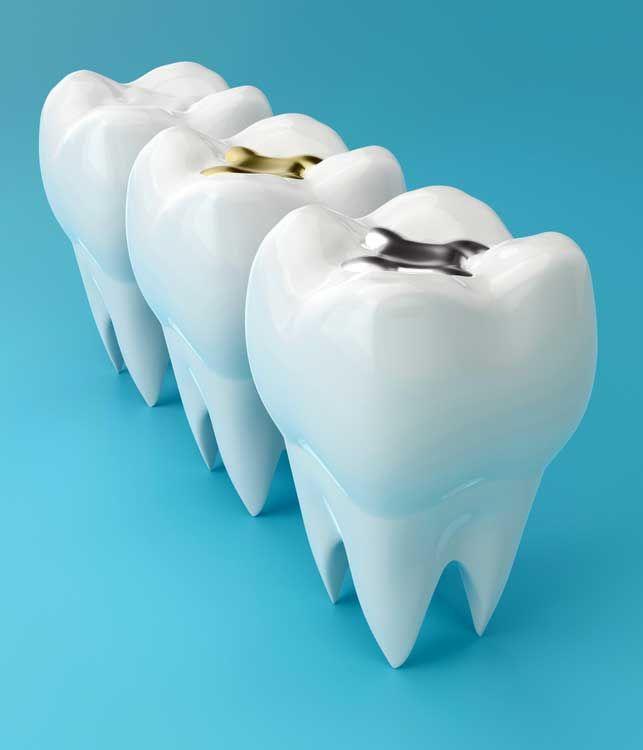
Tooth decay is one of the most common dental concerns and can gradually damage the structure of a tooth if it is not treated. A dental filling is a widely used restorative treatment that helps repair a tooth affected by decay while preserving as much natural tooth structure as possible. By addressing cavities at an appropriate stage, fillings can support better oral health and reduce the risk of more extensive dental problems.
For individuals considering Teeth filling in Islamabad, understanding how fillings work and why they are recommended can make the treatment process easier to understand. Professional assessment is important because the appropriate treatment depends on the size, location, and condition of the affected tooth.
What Is a Dental Filling?
A dental filling is a restorative material placed inside a tooth after a dentist removes decayed or damaged tissue. The filling replaces the affected portion and restores the tooth's shape and surface.
Several materials can be used for fillings, including tooth-colored composite materials and other dental materials. The choice may depend on the location of the cavity, the amount of tooth structure remaining, functional requirements, and aesthetic considerations.
The purpose is not simply to cover the cavity. A properly placed filling can restore the tooth so it can continue performing its normal functions.
How Cavities Can Damage Teeth
Dental cavities develop when acids produced by bacteria gradually weaken tooth enamel and underlying structures. Without appropriate treatment, decay may become deeper and affect a larger portion of the tooth.
As the cavity progresses, a person may experience sensitivity, discomfort while chewing, or visible changes in the tooth. In more advanced cases, decay can reach the inner portion of the tooth, where nerves and blood vessels are located.
Treating decay earlier can help limit the amount of tooth structure that needs to be removed.
How Fillings Protect Natural Tooth Structure
One important benefit of a filling is that it can help preserve the remaining healthy portion of the tooth. During treatment, the dentist removes the decayed area and cleans the affected region before placing the filling material.
The restoration fills the prepared space and gives the tooth a more complete structure. This can help the tooth withstand normal daily activities such as biting and chewing.
The earlier a suitable cavity is detected and treated, the greater the opportunity may be to preserve natural tooth structure.
Restoring Normal Tooth Function
A cavity can change the shape of a tooth and sometimes make chewing uncomfortable. A properly fitted filling restores the missing portion and creates a smoother chewing surface.
After placement, the dentist checks the restoration and may make small adjustments to ensure the bite feels comfortable. This is particularly important because an uneven filling can feel noticeable when the teeth come together.
Restoring the tooth's shape can help it function more normally during everyday eating.
Preventing Decay From Progressing
A filling does not reverse the damage that has already occurred, but it treats the decayed area after the affected tissue has been removed. This can help prevent that particular cavity from continuing to destroy the treated portion of the tooth.
However, a filled tooth is not permanently protected from future decay. New cavities can still develop if oral hygiene is poor or if other risk factors remain.
Regular brushing, flossing, fluoride use, and dental checkups are therefore important after receiving a filling.
What to Expect During the Filling Procedure
The process usually begins with a dental examination. Depending on the situation, the dentist may use X-rays to assess the depth and location of the decay.
Local anesthesia may be provided to improve comfort. The dentist then removes the decayed material and prepares the tooth for restoration. The selected filling material is placed into the prepared area and shaped to match the tooth.
For some tooth-colored composite fillings, a curing light is used to harden the material. Finally, the dentist checks the bite and makes any necessary adjustments.
The exact procedure and duration can vary depending on the tooth and the extent of the cavity.
Teeth Filling in Islamabad: Why Professional Assessment Matters
Individuals searching for Teeth filling in Islamabad should consider having the affected tooth evaluated by a qualified dental professional. A cavity can vary considerably from one patient to another, so treatment should be based on an examination rather than assumptions.
A dentist can determine whether a filling is appropriate or whether the tooth requires another form of restorative treatment. Professional assessment can also help identify additional cavities or other oral health concerns.
Discussing the available filling materials, procedure, aftercare, and expected outcome can help patients understand their treatment options.
Caring for Your Teeth After a Filling
Good oral hygiene remains essential after a dental filling. Brush your teeth twice a day using fluoride toothpaste and clean between your teeth regularly. Reducing frequent consumption of sugary foods and drinks can also help lower the risk of future cavities.
It is also important to attend routine dental appointments. During these visits, the dentist can check the condition of existing fillings and identify new signs of tooth decay.
If a filled tooth becomes painful, unusually sensitive, chipped, or uncomfortable when biting, professional evaluation is recommended.
How Long Can Dental Fillings Last?
The lifespan of a filling varies according to factors such as the material used, the location of the restoration, chewing forces, oral hygiene, and individual habits.
Fillings can wear down or become damaged over time. Regular dental examinations allow a dentist to monitor their condition and determine whether a restoration needs maintenance or replacement.
Taking care of your teeth can help support the durability of dental restorations.
Conclusion
Dental fillings play an important role in restorative dentistry by repairing cavities, restoring tooth shape, and supporting normal chewing function. When decay is identified and treated appropriately, a filling may help preserve more of the natural tooth and reduce the need for more extensive treatment.
For patients considering Teeth filling in Islamabad, professional dental evaluation is an important first step. Combining appropriate restorative treatment with daily oral hygiene and regular dental checkups can help maintain healthier teeth for the long term.
Frequently Asked Questions
1. What is the main purpose of a dental filling?
A dental filling repairs a tooth affected by decay by replacing the damaged portion and restoring the tooth's shape and function.
2. Can a dental filling prevent further tooth decay?
A filling treats the existing cavity, but it does not prevent new decay. Good oral hygiene and regular dental visits remain important.
3. Can I eat normally after getting a filling?
This depends on the type of filling and the dentist's instructions. Patients may be advised to wait until the effects of local anesthesia have worn off before eating.
4. When should I see a dentist about a possible cavity?
A dental examination is recommended if you notice tooth sensitivity, pain, discoloration, a visible hole, or discomfort while chewing. Early evaluation can help determine the appropriate treatment.
For more information visit Enfield royal clinic in islamabad

 Bangla