

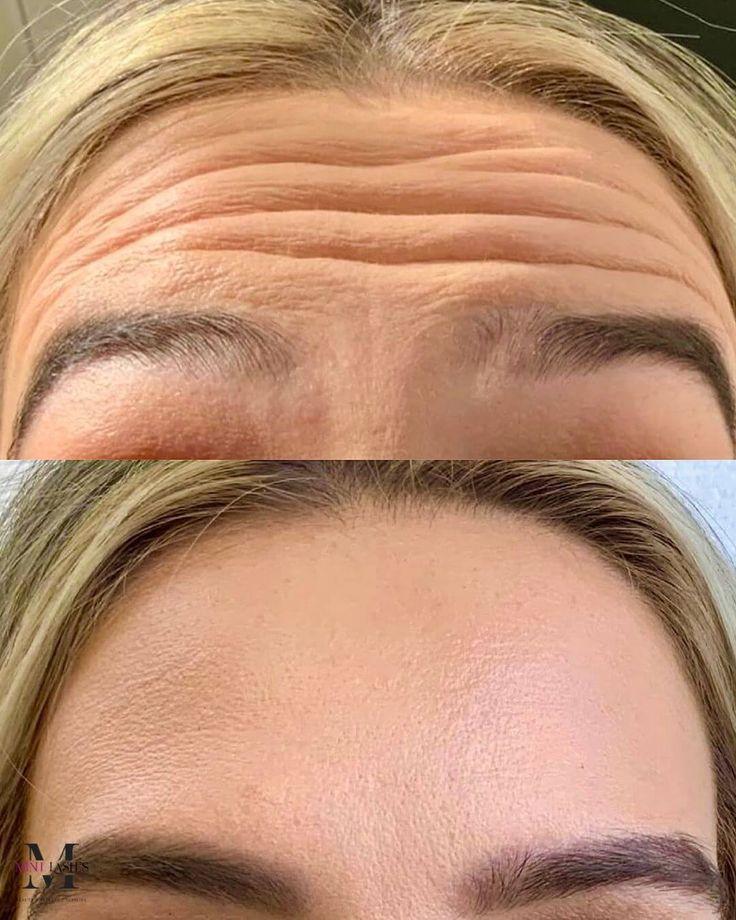

A youthful and refreshed facial appearance is often influenced by the forehead and eyebrow area. With age, the skin can gradually lose elasticity, forehead lines may become more visible, and the eyebrows may descend. These changes can make the face appear tired or less open, even when a person feels energetic.
Forehead lift treatment is a cosmetic procedure designed to improve selected concerns in the upper face. The journey involves several important stages, beginning with consultation and treatment planning and continuing through surgery, recovery, and follow-up care. For individuals considering Forehead lift treatment in Islamabad, understanding each stage can make the experience more predictable and help establish realistic expectations.
Understanding Forehead Lift Treatment
A forehead lift, also known as a brow lift, focuses on the forehead and eyebrow region. Depending on individual anatomy and aesthetic goals, the procedure may reposition tissues, improve brow placement, and address excess or loose skin.
The treatment is not intended to completely change a person's facial identity. Instead, the goal is generally to create a refreshed appearance while maintaining natural facial proportions and expression.
Several techniques may be available, and the most suitable approach depends on factors such as brow position, skin quality, hairline, facial structure, and the amount of correction required.
The Consultation: The First Important Step
A detailed consultation is the foundation of the treatment journey. During this appointment, the surgeon evaluates the forehead, eyebrows, eyelids, and surrounding facial structures.
You may be asked about your aesthetic concerns and what you hope to achieve. Your medical history, previous procedures, medications, allergies, and general health may also be reviewed.
The surgeon can explain whether a forehead lift may address your concerns and discuss alternative or complementary treatments when appropriate. This is also the ideal opportunity to ask questions about the surgical technique, anesthesia, recovery, possible risks, and expected results.
Creating a Personalized Treatment Plan
No two faces are exactly alike, so forehead lift treatment should be individually planned. The surgeon may consider the natural position of your eyebrows, forehead height, hairline, skin elasticity, and facial proportions.
A personalized plan helps determine where incisions may be placed and how much tissue adjustment may be appropriate. The objective is usually a subtle improvement rather than excessive elevation of the eyebrows.
For people researching Forehead lift treatment in Islamabad, selecting a qualified and experienced surgeon is an important part of developing a suitable treatment plan.
Preparing for the Procedure
Once treatment has been planned, your surgeon will provide instructions to help you prepare. These instructions may relate to medications, supplements, smoking, skincare, eating, and drinking before surgery.
Provide your surgeon with complete information about your health and any medications or supplements you use. Do not stop prescribed medicines unless your healthcare professional specifically advises you to do so.
Planning for the recovery period is also useful. Arranging transportation, preparing a comfortable recovery area, and organizing assistance with everyday tasks can make the first few days easier.
What Happens During Forehead Lift Treatment?
The exact procedure varies depending on the selected technique. In general, the surgeon makes carefully planned incisions to access the tissues of the forehead and brow region.
The underlying tissues may be repositioned or adjusted, and excess skin may be managed when necessary. The surgeon then closes the incisions according to the treatment plan.
The procedure is performed using appropriate anesthesia, with the specific approach determined by the surgical plan and individual circumstances.
The overall objective is to improve the relationship between the forehead, eyebrows, and upper face while preserving a natural appearance.
The First Days After Treatment
After surgery, it is normal for some patients to experience temporary swelling, bruising, tightness, or mild discomfort. These effects can vary depending on the technique and individual healing response.
Your surgeon will provide specific postoperative instructions. These may include keeping the treated area clean, protecting incision sites, sleeping with your head elevated, and avoiding activities that could place unnecessary stress on healing tissues.
Following these instructions carefully can support a smooth recovery.
Understanding the Recovery Period
Recovery is a gradual process rather than an immediate transformation. Initial swelling and bruising generally improve with time, while the tissues continue settling into their new position.
Your surgeon may schedule follow-up appointments to monitor healing and assess the treatment area. These appointments are important because they provide an opportunity to identify concerns early and ensure that recovery is progressing appropriately.
Patients should avoid strenuous exercise and other demanding activities until their surgeon confirms that it is safe to resume them.
When Can Results Become Noticeable?
Some improvements may be visible as swelling decreases, but the final appearance may take longer to develop. Healing varies from person to person, so comparing your recovery with someone else's is not always useful.
The forehead and brow area may gradually appear more balanced as the tissues settle. Patience during the recovery period is important because the final outcome should be assessed after sufficient healing has occurred.
Supporting Long-Term Results
A forehead lift does not stop the natural aging process. However, healthy habits can help support the overall appearance of your skin.
Using sun protection, following a suitable skincare routine, maintaining balanced nutrition, avoiding smoking, and attending recommended follow-up appointments may contribute to healthy-looking skin over time.
Your surgeon can also provide guidance about when additional skincare or cosmetic treatments may be appropriate.
Choosing Forehead Lift Treatment in Islamabad
If you are considering Forehead lift treatment in Islamabad, take time to research your treatment provider. Look for a qualified surgeon with relevant experience in facial procedures and a professional clinical environment.
During consultation, ask about the recommended technique, expected recovery, possible complications, incision placement, and realistic results. A good consultation should allow you to make a decision based on clear information rather than unrealistic promises.
Final Thoughts
The forehead lift journey involves much more than the procedure itself. Consultation, personalized planning, preparation, surgery, recovery, and follow-up all contribute to the overall treatment experience.
For individuals interested in Forehead lift treatment in Islamabad, understanding each stage can help them approach the procedure with greater confidence and realistic expectations. A qualified surgeon can assess your individual features and explain whether a forehead lift is appropriate for your goals.
Frequently Asked Questions
1. How does the consultation help before a forehead lift?
The consultation allows the surgeon to assess your facial structure, brow position, skin condition, health history, and aesthetic goals before creating a personalized treatment plan.
2. What can I expect immediately after a forehead lift?
Temporary swelling, bruising, tightness, and discomfort may occur. Your surgeon will provide specific aftercare instructions to support the healing process.
3. How long does forehead lift recovery take?
Recovery varies depending on the surgical technique and individual healing. Early swelling and bruising usually improve gradually, while the final results may take longer to settle.
4. What should I consider when choosing Forehead lift treatment in Islamabad?
Consider the surgeon's qualifications, experience, clinical standards, consultation approach, and ability to provide realistic information about benefits, risks, recovery, and expected outcomes.
For more information visit Enfield royal clinic in islamabad
