


How Does Tattoo Removal Affect Raised Tattoos?
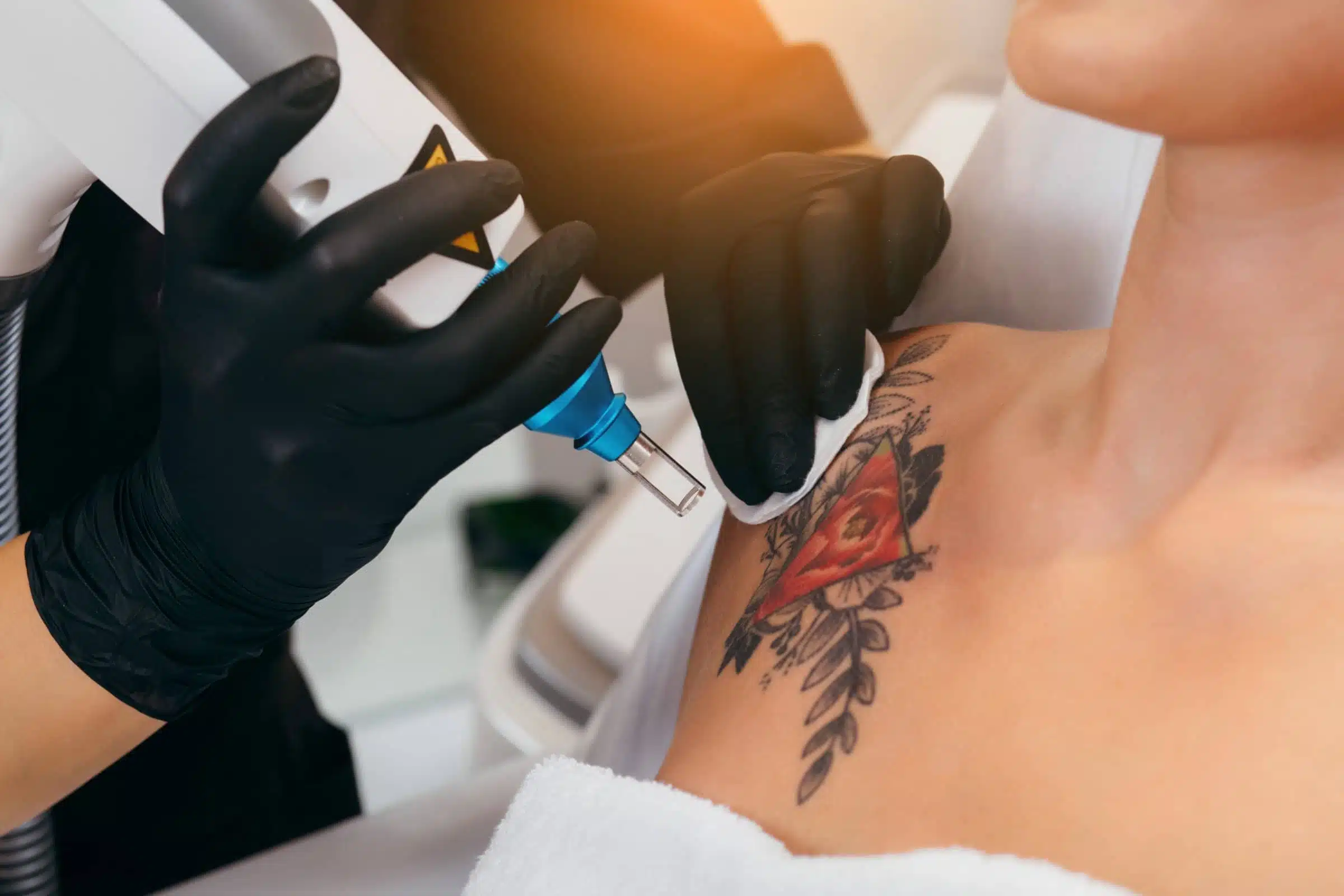
Raised tattoos can behave differently from flat tattoos because the skin has a change in texture as well as pigment. Tattoo Removal dubai can involve additional considerations when the tattooed area feels thick, firm, or uneven. In Dubai, people considering tattoo removal should understand whether the raised texture comes from scar tissue, pigment-related skin changes, or another underlying skin response before treatment begins.
Why Are Some Tattoos Raised?
A tattoo may become raised when the skin produces excess collagen during the healing process. This can happen after repeated needle trauma, particularly when the skin is prone to forming thicker scars.
A raised tattoo may have:
- A firm or thickened surface
- Slight swelling around the tattooed lines
- Itching or tenderness
- A rope-like or uneven texture
- Skin that remains elevated long after the tattoo has healed
Not every raised tattoo is a scar. Some tattoos may appear slightly elevated because of pigment placement, inflammation, or an individual skin response.
Does Tattoo Removal Flatten a Raised Tattoo?
Tattoo removal primarily targets unwanted tattoo pigment rather than scar tissue. Laser energy is absorbed by pigment particles, breaking them into smaller fragments that the body's immune system gradually clears.
If the raised appearance is caused mainly by pigment-related inflammation, the texture may become less noticeable as the tattoo fades. However, when the elevation is caused by established scar tissue, removing the ink does not necessarily remove the raised skin.
This distinction is important when setting realistic expectations.
What Happens to Scar Tissue During Removal?
Laser treatment can affect the appearance of a tattoo while the underlying scar remains. In some cases, the contrast between the scar and surrounding skin becomes easier to notice as the pigment fades.
The response can depend on:
- Type of scar: Hypertrophic scars and keloids behave differently from ordinary healed skin.
- Tattoo depth: Deeper pigment may require a longer treatment course.
- Skin characteristics: Individual healing responses influence how the area reacts.
- Ink composition: Different pigments respond differently to laser energy.
- Previous treatment: Repeated tattooing or earlier removal attempts may affect the skin.
A qualified professional should assess the raised area before choosing an appropriate approach.
Can Laser Removal Make a Raised Tattoo Worse?
Any procedure that affects previously injured skin requires careful consideration. A raised tattoo may be more sensitive to additional trauma, especially if the area has a history of abnormal scarring.
People who develop keloids or pronounced hypertrophic scars may need a more cautious assessment. Treatment planning can include reviewing previous scars, the tattoo's age, pigment colors, skin type, and how the area healed after tattooing.
It is important not to assume that a raised tattoo can be treated in exactly the same way as a flat tattoo.
How Is a Raised Tattoo Assessed Before Treatment?
An evaluation helps determine whether the elevation is associated with scar tissue or another skin condition. The assessment may consider the shape, firmness, color, location, and history of the raised area.
Useful information to discuss includes:
- When the tattoo was created
- Whether the tattoo has changed in texture over time
- Previous laser or tattoo-removal treatments
- A personal history of raised scars
- Any itching, pain, redness, or sensitivity
- Whether the raised area extends beyond the original tattoo lines
These details can help distinguish a tattoo that is simply textured from one associated with abnormal scar formation.
Does Tattoo Removal Work Differently on Thick Tattooed Skin?
Thicker or scarred skin can influence how laser energy interacts with the tattoo. The goal is to target pigment while limiting unnecessary irritation to the surrounding tissue.
Treatment may therefore be individualized according to the tattoo's characteristics and the condition of the skin. Multiple sessions are commonly needed for tattoo fading because the body clears fragmented pigment gradually rather than removing all of it at once.
The number and spacing of sessions can vary considerably between individuals.
What Should You Expect During Healing?
After laser tattoo removal, temporary redness, swelling, tenderness, or other local skin changes can occur. Previously raised skin may require particular attention during recovery.
Following aftercare instructions can help protect the treated area. Picking, scratching, excessive friction, or unnecessary sun exposure may interfere with normal healing.
Anyone experiencing increasing pain, spreading redness, significant swelling, or unusual skin changes should seek professional medical advice rather than attempting to manage the problem independently.
When Should a Raised Tattoo Be Medically Assessed?
A tattoo that has become increasingly raised, painful, itchy, or enlarged should be evaluated before removal. This is especially relevant when the raised tissue extends beyond the original tattoo design, as this can be associated with keloid formation.
A professional assessment can help determine whether tattoo removal is appropriate and whether the raised skin requires separate management.
Conclusion
Tattoo removal can fade the pigment in a raised tattoo, but it does not automatically eliminate the tissue responsible for the raised appearance. The outcome depends on whether the texture comes from pigment, inflammation, hypertrophic scarring, keloid formation, or another skin response. Careful assessment and individualized treatment planning are therefore important when removing tattoos from thickened or scarred skin.

 Bangla