


Outdoor Living Space Design and Build in Texas: A Practical Guide for Homeowners
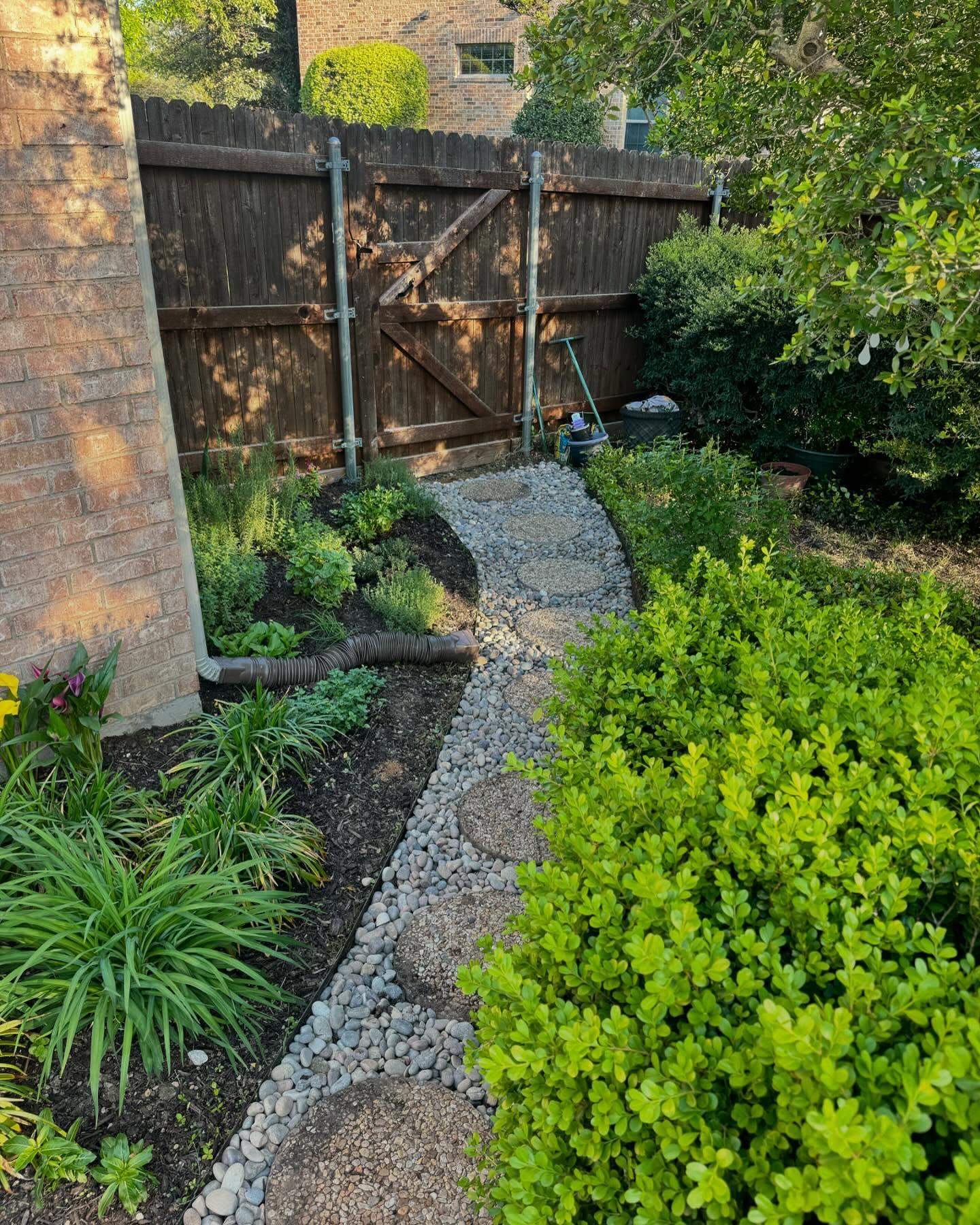
Your outdoor area can become one of the most useful parts of your home with thoughtful planning. A backyard can provide a comfortable place for family dinners, weekend gatherings, morning coffee, or simply a quiet break after a busy day. Even a modest yard can feel more inviting when its layout is designed around the people who use it.
Planning outdoor improvements involves more than selecting a patio style. Homeowners should think about weather, sunlight, drainage, privacy, landscaping, materials, maintenance, and the way the space connects to the house. For anyone considering outdoor living space design and build in Texas, these details can make a major difference in the comfort and usefulness of the finished area.
Begin With Your Outdoor Goals
Before choosing features, decide what you want from the backyard. The purpose of the space should guide the design rather than the other way around.
Some families want an outdoor dining area where they can enjoy meals together. Others may prefer a comfortable seating area for relaxing or talking with friends. If you regularly host guests, you may need more open space and convenient access between indoor and outdoor areas.
Consider Your Daily Routine
Think about how you currently use the backyard and what prevents you from using it more often. Is there not enough shade? Does the ground become muddy after rain? Is there nowhere comfortable to sit? Are you looking for more privacy?
Answering these questions can reveal which improvements should receive the most attention.
A successful design solves real problems instead of simply adding features because they are popular.
Examine the Existing Property
Every backyard presents different opportunities. Before construction begins, consider the size and shape of the property, existing trees, fences, slopes, walkways, doors, windows, and utility areas.
The location of the house also affects how people will move through the outdoor space. A patio near the kitchen can make outdoor meals easier, while a separate seating area can provide a quieter place for relaxation.
Existing trees deserve special attention. Mature trees can offer shade and privacy while adding character to the yard. If possible, a design can work around valuable trees instead of removing them.
Think About Sunlight
Observe how sunlight moves across your property during the day. An area that feels comfortable in the morning may become very hot in the afternoon.
This information can help determine where to place seating, dining areas, plants, and shade structures. Planning around sunlight can improve comfort without relying entirely on added structures.
Plan for Texas Weather
Texas weather can be challenging for outdoor spaces. Strong sunlight, high temperatures, heavy rain, and seasonal changes can all affect how a backyard is used.
Shade should be an important part of the planning process. Covered patios, pergolas, shade trees, and other structures can help make outdoor areas more comfortable during hot periods.
Rainwater also needs to be managed properly. Water should not collect near the home's foundation, patio, outdoor kitchen, or other important areas.
Make the Space Useful in Different Conditions
A well planned outdoor space can offer options for different weather conditions. A covered area may provide protection from strong sunlight, while open sections can provide fresh air and direct access to the landscape.
Think about when you are most likely to use the space. If your family enjoys evening gatherings, comfortable lighting and seating may be priorities. If afternoon use is more common, shade may be especially important.
Select Materials With Care
The materials used for patios, walkways, walls, and other features should suit the local environment and expected use.
Concrete, pavers, natural stone, and other outdoor surfaces can create attractive and functional areas. Each material has its own appearance, maintenance requirements, and price range.
The right choice should also complement the home. Colors and textures that work with the existing exterior can create a more unified appearance.
Think About Long Term Care
A material may look attractive when first installed, but homeowners should also consider how much care it will need later.
Outdoor surfaces may require cleaning, while landscaping may need trimming, watering, and seasonal attention. Choosing materials and plants that fit your available time can make the finished space easier to maintain.
Create Comfortable Seating Areas
Seating is one of the most important parts of an outdoor living space. The arrangement should encourage relaxation while leaving enough room for people to move comfortably.
A large patio does not automatically create a comfortable environment. Furniture placement, shade, views, and access to the house all matter.
For entertaining, consider arranging seating so guests can easily talk with one another. For relaxation, a quieter position facing a garden or another attractive part of the yard may be more suitable.
Add Outdoor Cooking and Dining Areas
Outdoor cooking can make a backyard more useful for homeowners who enjoy preparing meals outside. A simple grilling area may be enough for some families, while others may want a more complete outdoor kitchen.
The cooking area should be positioned carefully. It should have enough space around it for movement and should be convenient to the dining area.
Food preparation, serving, and cleanup should all be considered during planning. Practical placement can make outdoor meals much easier.
Create a Natural Gathering Point
A dining table, seating area, or fire feature can become the central point of the backyard. The best location depends on the overall layout and the activities you enjoy.
Avoid placing too many permanent features in one area. Leaving some open space can make the yard feel larger and give you flexibility for different activities.
Improve Privacy Through Landscaping
Privacy can make an outdoor living area feel more comfortable, particularly when nearby homes are visible from the yard.
Trees, shrubs, fencing, screens, and planting beds can all provide separation. Landscaping can create privacy without making the property feel closed off.
Use Different Plant Heights
A combination of taller trees, medium shrubs, and lower plants can create depth. This approach can look more natural than using a single row of identical plants.
Before selecting plants, consider their mature size, sunlight requirements, watering needs, and maintenance. Plants should have enough room to grow without becoming a problem for patios, walkways, or structures.
Add Shade Where It Matters
Shade is particularly valuable in Texas. A shaded seating area can make the difference between a space that is rarely used and one that becomes part of your everyday routine.
Common options include:
- Covered patios and pergolas
- Shade trees and larger landscape plants
- Outdoor shade structures designed for seating areas
The best choice depends on the property's size, design, budget, and desired appearance.
Shade can also help protect outdoor furniture and certain surfaces from prolonged sun exposure.
Plan Lighting for Evening Use
Outdoor lighting can make the backyard more practical after sunset. It can improve visibility around paths, entrances, stairs, and seating areas while adding a welcoming atmosphere.
Lighting can be used in several ways. Path lights can guide movement, seating area lights can support evening gatherings, and accent lighting can highlight trees or landscape features.
A simple lighting plan is often enough. The goal is to provide useful illumination without making the outdoor area feel overly bright.
Pay Attention to Drainage
Drainage may not be the most visible part of a landscape, but it can have a major impact on the long term performance of an outdoor space.
Rainwater that collects around patios or near the home can create muddy areas and other problems. Proper grading and drainage planning can help direct water away from important structures.
If your yard already has drainage concerns, they should be addressed before new patios or other hard surfaces are installed.
Get a Free Landscape Estimate
A free landscape estimate can help homeowners understand what an outdoor project may involve before construction begins. It provides an opportunity to discuss goals, property conditions, materials, landscaping, and potential features.
During the estimate, homeowners can ask about preparation, installation, drainage, maintenance, and expected project timing.
It is also a useful opportunity to discuss budget priorities. Some projects can be completed in stages, allowing homeowners to focus on the most important improvements first.
Make Decisions Based on Value
Not every outdoor feature needs to be included. Focus on improvements that will genuinely improve how you use the property.
For one homeowner, that may be a shaded patio. For another, it may be better landscaping, improved privacy, or an outdoor cooking area.
Prioritizing practical improvements can help keep the project manageable while still creating a noticeable difference.
Design for Future Needs
Your outdoor space should remain useful as your household changes. Consider how children, pets, guests, or changing routines may affect the way the yard is used.
Leave enough room for movement and avoid filling every available section with permanent structures. Flexible spaces can adapt to different activities over time.
Plant growth should also be considered. Trees and shrubs can become much larger than they appear when first planted, so proper spacing is important.
Create a Natural Connection With the Home
The outdoor area should feel connected to the house. Matching or complementary materials, colors, and design details can help create a smooth transition.
For example, a patio can complement the home's exterior finishes, while landscape plants can repeat colors found around the property.
A strong connection between the house and backyard can make the entire property feel more organized and welcoming.
Conclusion
A successful outdoor area starts with a clear understanding of how the property will be used. Weather, sunlight, drainage, materials, shade, privacy, landscaping, lighting, and maintenance should all be considered before construction begins.
Outdoor living space design and build in Texas can range from a simple patio improvement to a complete backyard retreat. The right approach depends on your lifestyle, property, and budget. A free landscape estimate can help you discuss your goals, understand the available options, and plan the project with greater confidence. W5LC Landscape can help homeowners create attractive outdoor environments that are comfortable, practical, and suited to everyday living.

 Bangla