

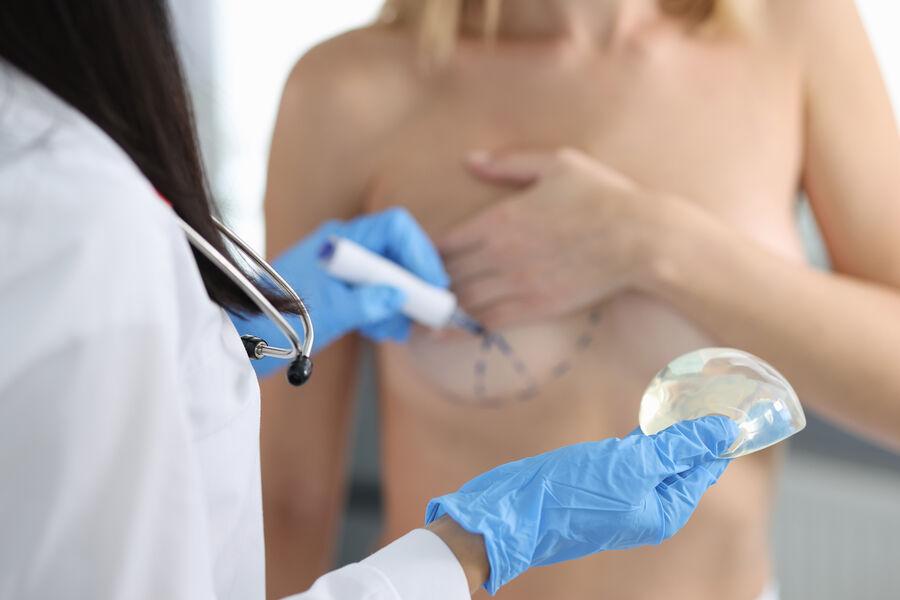
Breast enhancement is not always about achieving a larger size. For many patients, improving shape, contour, and proportion can be equally important. Fat Transfer Breast Augmentation in Dubai can be used to add volume while helping address certain areas of the breast where additional fullness may improve the overall appearance.
Because every breast has a different shape and structure, treatment planning should be individualized. Factors such as existing breast volume, chest width, skin elasticity, asymmetry, and available donor fat can all influence the final outcome.
How Fat Transfer Can Influence Breast Shape
Fat transfer can add volume to selected areas of the breast rather than relying on a single fixed shape. This allows treatment to be planned around the patient's existing anatomy.
Depending on the desired result, additional fullness may be considered in areas where the breast appears less developed or where improved contour is desired.
The objective is generally to create a balanced appearance that works with the patient's natural body proportions.
Understanding Breast Contour
Breast contour refers to the overall transition and shape of the breast from different angles. A breast can have adequate volume but still have contour concerns that affect its appearance.
Fat transfer may help add soft-tissue volume to selected areas. However, it cannot completely change every structural characteristic of the breast.
The surgeon needs to assess the underlying anatomy before determining what type of contour improvement may be achievable.
Breast Augmentation In Dubai
Breast Augmentation In Dubai can be performed using different techniques depending on the patient's goals. Fat transfer is one option for individuals who prefer enhancement with their own body tissue.
Unlike implants, fat transfer uses harvested fat to increase volume in selected areas. This can make it useful for patients interested in a more subtle change or additional contour refinement.
The most suitable technique depends on the amount of enhancement required and the patient's individual anatomy.
Improving Proportion Rather Than Just Size
A larger breast size does not automatically create a better overall appearance. Proportion is an important part of breast aesthetics.
The relationship between breast volume, chest width, waist, hips, height, and overall body structure can influence how the final result looks.
Fat transfer may allow a surgeon to focus on proportion by adding volume in areas that need greater balance instead of simply increasing the entire breast uniformly.
Fat Transfer and Breast Symmetry
Minor differences between the breasts are extremely common. One breast may have slightly more volume, a different contour, or a different position.
When the difference is related to soft-tissue volume, fat transfer may sometimes be used to improve balance between the breasts.
The amount of fat placed on each side does not necessarily have to be identical. Treatment can be planned according to the individual differences between the breasts.
Perfect symmetry cannot always be achieved because natural anatomical differences may remain.
The Role of Skin Elasticity
Skin quality can affect how the breasts respond to added volume. Patients with different levels of skin elasticity may experience different changes in breast shape after fat transfer.
The surgeon may consider the condition of the skin and existing breast tissue when evaluating whether fat transfer can provide the desired improvement.
If there is significant sagging or excess skin, another procedure may be more appropriate or may need to be discussed as part of the overall treatment plan.
Natural-Looking Volume Distribution
One potential advantage of fat transfer is the ability to distribute small amounts of tissue across selected areas.
The goal is not simply to add as much fat as possible. The amount and placement need to be appropriate for the breast tissue and the patient's desired appearance.
Over time, some of the transferred fat may be absorbed by the body. The surviving fat can contribute to the longer-term breast volume.
How Body Proportions Affect Results
The same amount of added breast volume can look different on different people. A patient's height, chest dimensions, existing breast size, and body shape all influence visual proportions.
For this reason, treatment planning should focus on the individual rather than using a standard amount of fat for every patient.
A personalized assessment can help establish realistic expectations about how the breast shape may change.
What Happens During Healing?
The breast shape immediately after treatment may not represent the final result. Swelling and other temporary changes can affect the appearance during the early healing period.
As these changes settle, the breast contour can gradually become more representative of the longer-term outcome.
The transferred fat also undergoes a healing process, and not every fat cell is expected to survive permanently.
Weight Changes and Breast Shape
Because transferred fat remains living tissue, significant changes in body weight may affect the appearance of the breasts over time.
Weight gain can increase the volume of fat tissue, while weight loss may reduce it. Other factors such as pregnancy and natural aging can also influence breast shape.
Patients should consider these factors when thinking about the long-term maintenance of their results.
When Fat Transfer May Not Be Enough
Fat transfer may not be ideal for everyone. Patients seeking a substantial increase in breast size may require a different approach.
Similarly, people with insufficient donor fat may have limited options for achieving their preferred volume.
A consultation can help determine whether fat transfer alone is appropriate or whether another breast enhancement method should be considered.
Potential Risks and Considerations
As with other surgical procedures, fat transfer carries potential risks. These can include infection, bleeding, bruising, changes in sensation, asymmetry, contour irregularities, fat necrosis, oil cysts, and partial absorption of transferred fat.
Changes seen on breast imaging can also occur after fat grafting. Patients should inform their healthcare and imaging providers about previous breast procedures so that any findings can be assessed appropriately.
Final Thoughts
Fat Transfer Breast Augmentation can be considered when the goal is to enhance breast shape, volume, and contour using the patient's own fat. Rather than focusing only on size, treatment can be planned around body proportions, existing breast anatomy, and areas where additional fullness may improve balance.
Realistic expectations are important because results depend on individual anatomy, available donor fat, healing, and fat survival. A personalized consultation with a qualified surgeon can help determine whether this approach is suitable for the desired breast shape and overall appearance.
