


Tummy Tuck Dubai: How Are Your Body Contours Considered During Planning?
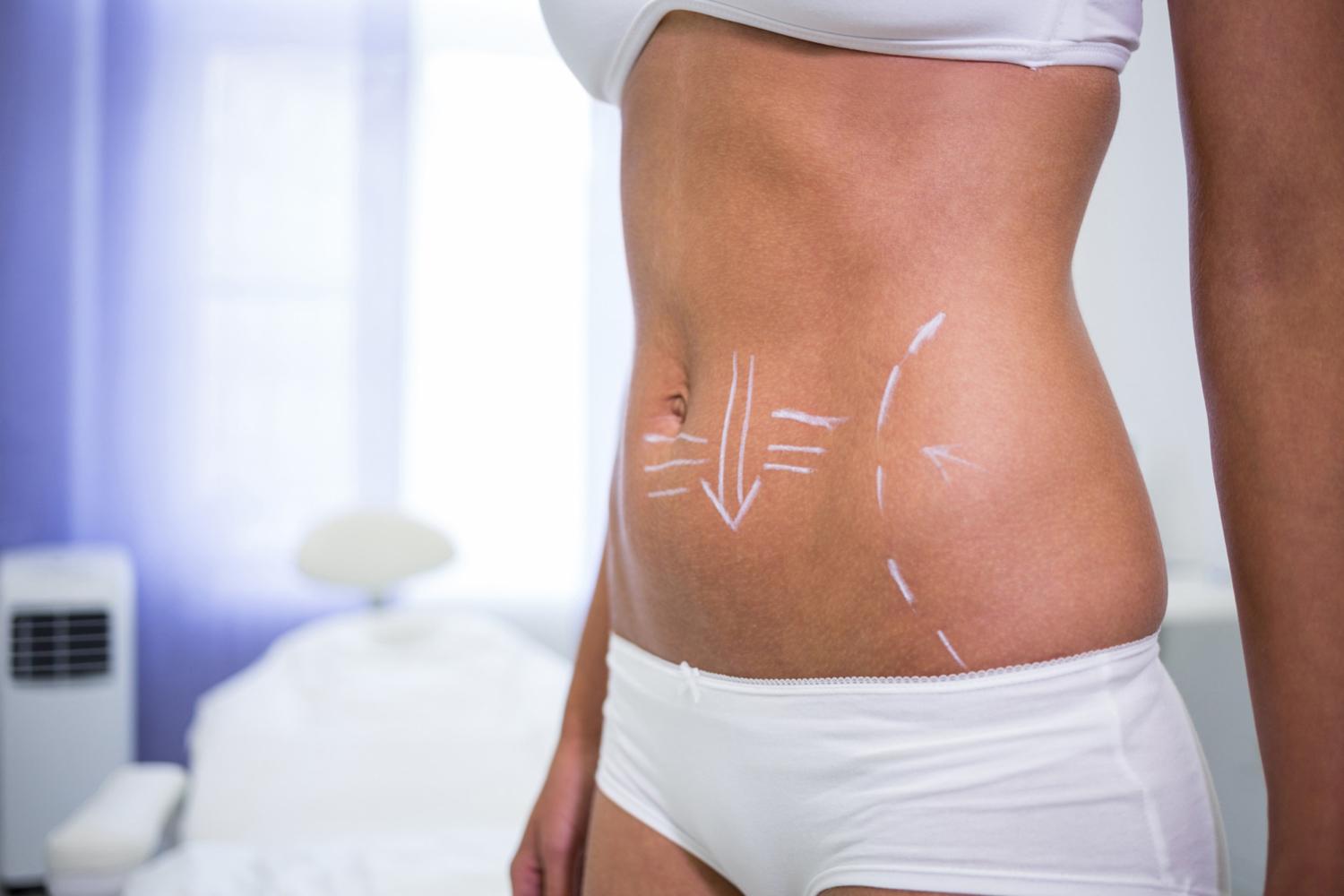
A tummy tuck is not simply about removing excess abdominal skin. The procedure is planned around the individual shape, proportions, tissue distribution, and underlying structure of the abdomen. For this reason, careful assessment of the body's natural contours is an important part of creating a personalised surgical plan.
During a consultation for Tummy tuck dubai, Dr. Shahram Sajjadi can assess how the abdomen relates to the waist, hips, chest, and overall body frame. This helps determine how much abdominal tissue may need to be addressed and whether the treatment should focus on the upper abdomen, lower abdomen, muscle structure, skin laxity, or overall contour.
A tummy tuck, also known as abdominoplasty, can remove excess skin and fat and may restore weakened or separated abdominal muscles. However, the exact approach depends on each person's anatomy and aesthetic goals.
Why Body Contours Matter in Tummy Tuck Planning
Every person's abdomen has a different shape. Some people have more fullness around the lower abdomen, while others have excess skin extending across the entire midsection. Body proportions can also vary considerably between the waist, hips, abdomen, and upper torso.
A successful treatment plan therefore needs to consider the abdomen as part of the entire body rather than as an isolated area.
During planning, the surgeon may consider:
- The amount and location of excess abdominal skin
- The distribution of fatty tissue
- Skin quality and elasticity
- Abdominal muscle position and tone
- The relationship between the waist and hips
- The position and appearance of the belly button
- Previous abdominal surgery
- The patient's desired body proportions
The American Society of Plastic Surgeons notes that factors such as skin quality, muscle condition, body type, and the location of excess fat can influence the choice of abdominal contouring procedure.
This individualised approach allows the treatment to be planned around the patient's existing anatomy rather than applying exactly the same technique to everyone.
Assessing the Overall Shape of the Abdomen
One of the first considerations during a tummy tuck consultation is the general shape of the abdomen.
The surgeon can examine the abdomen from different angles rather than assessing it only from the front. The side profile may show how far the abdomen projects, while the front view can reveal the distribution of skin and tissue across the midsection.
The waistline is also important. A patient may want a flatter abdomen, but the overall plan should also consider how the abdomen transitions into the waist and hips.
This broader assessment helps establish realistic objectives for improving the abdominal silhouette.
Rather than simply asking how much skin can be removed, the surgeon considers how the remaining tissues will sit after treatment and how the abdominal area will relate to the surrounding body.
Evaluating Excess Skin and Its Distribution
Excess skin is one of the main factors considered when planning a tummy tuck.
Skin laxity can occur after significant weight changes, pregnancy, ageing, or other changes affecting the abdominal area. The amount of excess skin can vary considerably from one person to another.
The surgeon may assess whether loose skin is primarily:
- Below the belly button
- Around the entire abdomen
- More noticeable toward the sides
- Present in both the upper and lower abdomen
The location of the excess tissue can influence the type and extent of tummy tuck being considered.
For example, when the primary concern is limited to the lower abdomen, a more limited procedure may sometimes be appropriate. When excess tissue extends across a larger area, a full tummy tuck may be considered.The objective is not simply to remove as much skin as possible. Instead, the amount removed needs to correspond with the patient's anatomy and the desired abdominal contour.
Considering the Waist and Hip Relationship
The abdomen does not exist separately from the waist and hips. These areas influence how the overall body silhouette appears.
During planning, the surgeon may therefore examine the transition between the abdomen and waist and consider whether the existing proportions support the patient's desired appearance.
For some individuals, the central concern is excess skin. For others, fullness from localised fatty tissue may contribute more significantly to the appearance of the waistline.
A tummy tuck primarily addresses excess abdominal skin and can also involve treatment of the abdominal wall. Where appropriate, liposuction may be considered as part of a broader contouring plan to address localised fat.
Whether additional contouring is appropriate depends on the patient's anatomy and individual goals.
How Abdominal Muscle Structure Influences Contouring
Body contour assessment also involves looking beneath the skin.
Pregnancy, weight changes, and other factors can contribute to stretching or separation of the abdominal muscles. A condition known as diastasis recti occurs when the abdominal muscles separate along the midline.
When the abdominal wall has changed, simply removing loose skin may not address the complete structural concern.
During consultation, Dr. Shahram Sajjadi can assess the abdominal wall and determine whether muscle repair should form part of the surgical plan.
If muscle tightening is appropriate, addressing the abdominal wall can contribute to a firmer abdominal profile while the skin is repositioned. The American Society of Plastic Surgeons describes tummy tuck surgery as a procedure that can remove excess skin and, when necessary, restore weakened or separated abdominal muscles.
Looking at the Abdomen From Different Angles
Body contours can look different from the front, side, and three-quarter views.
For this reason, surgical planning should not rely on a single view of the abdomen.
From the front, the surgeon can assess the width of the abdomen, distribution of skin, and relationship between the waist and hips. From the side, abdominal projection and the transition between the upper and lower torso become more apparent.
The three-quarter view can provide additional information about how the abdomen blends into the flanks and waist.
Considering these different perspectives helps the surgeon develop a more complete understanding of the patient's body shape.
The Position of the Belly Button
The belly button is another important feature in abdominal contour planning.
When a full tummy tuck is performed, the abdominal skin may be repositioned and excess tissue removed. This can require creating a new opening for the belly button so that it remains appropriately positioned on the reshaped abdominal surface.
Its position, shape, and relationship to the surrounding abdominal tissues can therefore be considered during planning.
A natural-looking abdominal contour depends not only on the amount of skin removed but also on how important anatomical landmarks relate to the newly shaped abdomen.
Choosing Between Different Tummy Tuck Approaches
Not every patient requires the same type of tummy tuck.
A full tummy tuck may be considered when excess skin and changes in the abdominal wall affect a broader area. A mini tummy tuck may be appropriate in selected patients whose concerns are more concentrated in the lower abdomen.
The decision is based on anatomy rather than simply on a patient's preference for one procedure.
Factors that can influence the approach include the location of excess skin, the condition of the abdominal wall, the position of the belly button, the amount of tissue requiring treatment, and the patient's desired outcome.
This is why an individual consultation is an important part of planning Best tummy tuck dubai treatment.
How Previous Changes to the Abdomen Are Considered
Previous changes to the abdominal area can also influence surgical planning.
For example, previous abdominal surgery can leave existing incisions or alter the way tissues are positioned. Significant changes in weight or pregnancy may also affect skin elasticity and abdominal muscle structure.
The surgeon therefore needs to understand the patient's history before deciding how the abdominal tissues should be approached.
Previous procedures do not automatically determine the treatment plan, but they provide important information about the existing anatomy.
Aligning Body Contours With Patient Goals
Medical assessment is only one part of tummy tuck planning. The patient's aesthetic objectives are also important.
Some patients may primarily want a smoother lower abdomen. Others may be more concerned about loose skin across the entire abdominal area or the relationship between the abdomen and waist.
During consultation, these preferences can be discussed alongside the physical assessment.
The goal is to understand what the patient considers an improved contour while keeping the proposed outcome consistent with their natural anatomy.
This is particularly important because a tummy tuck is an individualised procedure rather than a standard treatment designed to create one specific body shape.
What Happens During the Tummy Tuck Consultation?
A consultation provides an opportunity to combine the patient's goals with an examination of the abdomen.
Dr. Shahram Sajjadi may discuss the patient's medical and surgical history, previous changes in weight, pregnancy history where relevant, current concerns, and desired outcome.
The abdominal area can then be examined to assess skin, tissue distribution, abdominal wall structure, and overall proportions.
Depending on the findings, the discussion may include the most suitable tummy tuck approach and whether additional contouring could be relevant.
The planning process is therefore based on the patient's individual characteristics rather than a predetermined procedure.
Why Individualised Contour Planning Is Important
A person's body proportions can influence how changes to the abdomen appear after surgery. Removing tissue without considering the surrounding contours may not produce the balanced appearance a patient expects.
Individualised planning allows the surgeon to consider the abdomen as part of the complete torso.
This includes understanding where excess skin is located, how the waist transitions into the hips, whether the abdominal wall has changed, and how the belly button relates to the surrounding tissues.
The ASPS similarly emphasises that tummy tuck procedures should be tailored to the patient's unique body shape, anatomy, and goals.
Conclusion
Body contour assessment is an important part of planning a tummy tuck in Dubai. Rather than focusing only on excess abdominal skin, the surgical plan can take into account the patient's overall proportions, waist and hip relationship, skin quality, abdominal muscle structure, tissue distribution, and belly button position.
For patients considering Tummy tuck dubai, consultation with Dr. Shahram Sajjadi provides an opportunity to discuss individual goals and understand how their anatomy may influence the proposed treatment approach.
A carefully personalised plan can help ensure that abdominal contouring is considered in relation to the rest of the body, creating an approach that is based on the patient's own anatomy and desired outcome.
FAQs
What body contours are assessed before a tummy tuck?
The surgeon may assess the abdomen, waist, hips, side profile, skin distribution, tissue volume, abdominal wall, and belly button position. These factors help determine an appropriate treatment plan.
Why are waist and hip proportions considered during tummy tuck planning?
The abdomen is connected visually to the waist and hips. Considering these areas together can help the surgeon plan abdominal contouring that is proportionate to the patient's overall body shape.
Does a tummy tuck address abdominal muscles?
A tummy tuck can include repair or tightening of weakened or separated abdominal muscles when appropriate. The need for this is determined during the individual assessment.
How does excess skin affect tummy tuck planning?
The location and amount of excess skin can influence the type and extent of tummy tuck. Skin may be concentrated below the belly button or extend across a larger portion of the abdomen.
Is a full tummy tuck suitable for everyone?
No. The appropriate approach depends on individual anatomy, the location of excess skin, abdominal wall characteristics, and treatment goals. Some patients may be considered for a more limited procedure.
Why is the belly button considered during tummy tuck planning?
When abdominal skin is repositioned during a full tummy tuck, the belly button may need to be repositioned through the newly shaped abdominal skin. Its position is therefore considered as part of overall abdominal proportions.
Can liposuction be considered with a tummy tuck?
In selected patients, liposuction may be considered alongside a tummy tuck to address localised fatty tissue and further refine body contours. The suitability of combining procedures depends on individual anatomy and goals.
How does previous abdominal surgery affect planning?
Previous surgery can affect the location of existing incisions and the underlying tissue structure. The surgeon can review this history during consultation when developing an individualised plan.
What should I discuss with Dr. Shahram Sajjadi during consultation?
You can discuss your desired abdominal contour, areas of concern, previous changes to your abdomen, your overall body proportions, and what you hope to achieve from tummy tuck surgery. This information can help guide the personalised planning process.

 Bangla