

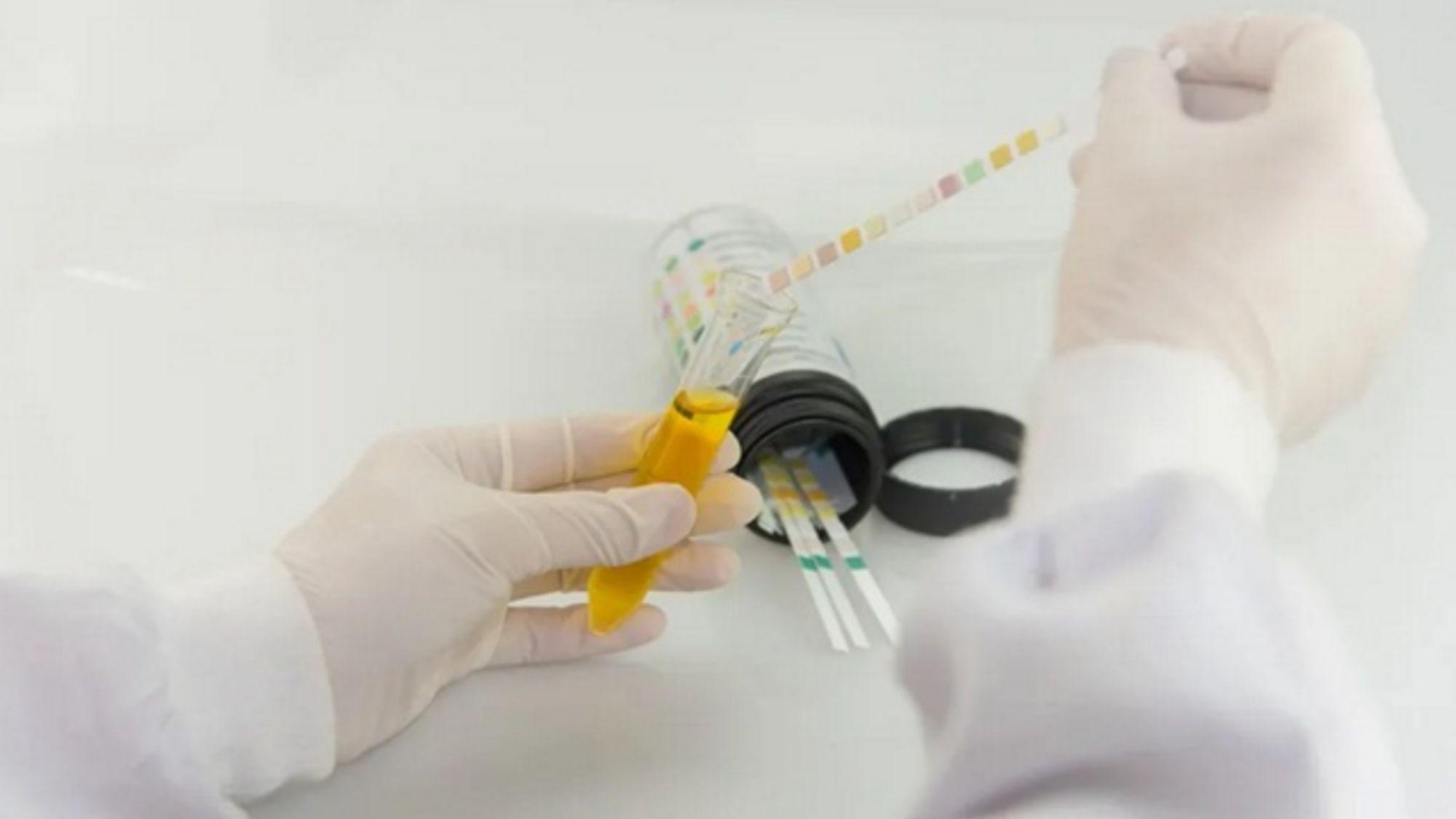
Creatinine Clearance Test for Kidney Function: From Preparation to Results

Kidney function can be assessed in several ways, and a creatinine clearance test is one method that looks at how efficiently the kidneys remove creatinine from the body. Unlike a blood test that measures creatinine alone, this test uses both a blood sample and a timed urine collection to estimate how much creatinine the kidneys clear over a specific period.
Understanding what happens before, during, and after a Creatinine Clearance Test in Dubai can make the process much easier. It can also help you understand why accurate urine collection matters and why the final result should be interpreted alongside other measures of renal function.
What Is a Creatinine Clearance Test?
A creatinine clearance test estimates kidney filtration by comparing the amount of creatinine in the urine with the amount in the blood and the volume of urine produced during a timed collection.
Creatinine is a waste product produced naturally by muscles. The kidneys normally remove much of it from the bloodstream and excrete it through urine. Because creatinine is closely related to kidney filtration, measuring its clearance can provide information about how well the kidneys are filtering blood.
The test commonly involves a 24-hour urine collection, although the exact testing procedure may vary between laboratories and clinical settings.
Creatinine clearance is an estimate rather than a direct measurement of the kidneys' true glomerular filtration rate (GFR). This distinction is important when interpreting results.
Before the Test: Preparing for Accurate Results
Good preparation is less about following a complicated diet and more about understanding the collection instructions provided by your healthcare professional or laboratory.
Follow the Laboratory's Instructions
Your laboratory may provide a specific container and instructions explaining when to begin and finish the collection. Follow those directions carefully because the timing of the urine sample is an essential part of the calculation.
Depending on your situation, your healthcare professional may also give instructions about food, fluids, exercise, or medications.
Do not stop prescription medicines on your own simply because you are having a kidney function test. Some medicines can affect creatinine handling or kidney function, so your healthcare provider should know everything you take.
Understand the Timing
A timed urine collection usually has a defined start and end time. The first urine passed at the beginning may be discarded, depending on the laboratory's instructions, while subsequent urine is collected for the specified period.
The final urine sample must be collected at the scheduled end of the test.
If you are unsure whether a particular urine sample belongs in the container, contact the laboratory rather than guessing.
Keep the Collection Container Safe
Urine collection containers may require specific storage conditions. Follow the instructions given by the laboratory, particularly if the container needs refrigeration or another form of controlled storage.
Poor storage or accidental loss of urine can affect the reliability of the final creatinine clearance result.
During the 24-Hour Urine Collection:
The collection period is the most important practical part of the test.
Collect Every Required Urine Sample
Every urine sample during the collection period generally needs to go into the designated container after the collection has started.
Missing even one sample can result in an inaccurate estimate because the test depends on the total amount of creatinine excreted during the timed period.
If you accidentally miss a sample, tell your healthcare provider or laboratory. They may recommend repeating the collection rather than interpreting an incomplete sample.
Continue Your Usual Routine Unless Told Otherwise
In many cases, you can continue normal daily activities while collecting urine. However, unusually strenuous exercise, major dietary changes, or changes in fluid intake may influence creatinine production or urine volume.
Follow the specific instructions given to you instead of deliberately changing your routine to try to influence the result.
Pay Attention to Urine Volume
Urine volume is part of the calculation used for creatinine clearance. Therefore, the test is not simply about measuring urine creatinine concentration.
The amount of urine produced during the collection period helps determine the rate at which creatinine is being cleared.
The Blood Sample: Why Serum Creatinine Matters
A blood sample is usually collected to measure serum creatinine.
This value is important because creatinine clearance is calculated using information from both the blood and urine. The laboratory can combine:
-
Urine creatinine concentration
-
Serum creatinine concentration
-
Total urine volume
-
Duration of urine collection
Together, these measurements provide an estimate of creatinine clearance.
This is why a creatinine clearance test is different from simply ordering a blood creatinine test.
How Is Creatinine Clearance Calculated?
At a basic level, creatinine clearance reflects the amount of blood plasma that appears to be cleared of creatinine per unit of time.
The calculation incorporates urine creatinine, serum creatinine, urine flow rate, and the duration of the collection.
Because the result depends on several measurements, errors in any part of the process can affect the estimate. For example, an incomplete 24-hour urine collection may make the calculated clearance appear lower than it actually is.
Laboratories may also report results using body-size adjustments or other conventions, so the number should be interpreted according to the laboratory report and clinical context.
What Does the Creatinine Clearance Result Tell You?
A creatinine clearance result provides an estimate of kidney filtration.
Lower Creatinine Clearance
A lower-than-expected result may indicate reduced kidney filtration. Possible explanations include chronic kidney disease, an acute change in kidney function, or other clinical circumstances.
However, one abnormal result does not automatically establish a diagnosis of chronic kidney disease.
The result should be considered alongside serum creatinine, eGFR, urine findings, medical history, and previous kidney function results.
Higher Creatinine Clearance
A higher result is not automatically proof that the kidneys are healthier.
In some situations, increased filtration or hyperfiltration can occur. The significance depends on the individual's overall health and why the test was ordered.
Why the Laboratory Reference Range Matters
There is no single creatinine clearance value that is ideal for every person. Age, sex, body size, muscle mass, health conditions, and laboratory methods can influence interpretation.
Always use the reference information provided with your laboratory report rather than comparing your number with a value found online.
Why Creatinine Clearance Is Not the Same as GFR?
Creatinine clearance and GFR are closely related but not identical.
True GFR describes how much blood the kidneys filter through the glomeruli over a given period. Creatinine clearance uses creatinine measurements to estimate filtration.
Creatinine can also be handled by the kidneys in ways that mean creatinine clearance may differ from true GFR. For this reason, the test should not be viewed as a perfect direct measurement of filtration.
In routine clinical care, estimated GFR (eGFR) calculated from blood creatinine is commonly used to assess kidney filtration. Creatinine clearance may still be useful in selected circumstances when additional information is needed.
What Can Change the Test Result?
Several factors can influence creatinine clearance or make the result harder to interpret.
Muscle Mass
People with greater or lower muscle mass may produce different amounts of creatinine. This can affect blood and urine creatinine measurements.
Diet and Physical Activity
Dietary patterns and intense physical activity can temporarily influence creatinine levels. Follow your healthcare provider's instructions rather than making unusual changes before testing.
Hydration
Fluid intake can influence urine production and concentration. Extremely unusual fluid intake may complicate interpretation.
Collection Problems
An incomplete collection, incorrect timing, spilled urine, or improper storage can compromise the test.
Health and Medications
Acute illness, changes in kidney function, and certain medications can influence creatinine levels or kidney handling. Your healthcare provider should know about relevant medical conditions and medications before interpreting the result.
What Happens After the Test?
Once the collection is complete, the laboratory analyzes the urine and blood samples and calculates the reported creatinine clearance.
Do not interpret the number in isolation.
A healthcare professional may compare the result with:
-
Serum creatinine
-
eGFR
-
Urinalysis
-
Urine albumin or urine albumin-to-creatinine ratio
-
Blood pressure
-
Previous kidney function results
-
Relevant medical conditions
This broader assessment matters because kidney health involves more than filtration alone. For example, a person can have evidence of kidney damage, such as albumin in the urine, even when filtration has not fallen substantially.
When Should You Discuss the Result With a Doctor?
If your creatinine clearance is outside the laboratory's expected range, discuss it with the healthcare professional who ordered the test.
It is especially useful to ask whether the urine collection was complete, how the result compares with your eGFR and previous kidney function tests, and whether additional testing is needed.
If the collection was incomplete, the healthcare provider may recommend repeating the test rather than drawing conclusions from an unreliable sample.
Seek prompt medical attention for severe or rapidly worsening symptoms such as significant swelling, severe shortness of breath, markedly reduced urine output, confusion, or other symptoms that your healthcare professional considers concerning.
Frequently Asked Questions:
Is creatinine clearance a kidney function test?
Yes. It estimates how efficiently the kidneys clear creatinine from the blood and is therefore used as an assessment of kidney filtration.
Does the test always require 24 hours?
A 24-hour urine collection is commonly used, but collection protocols can vary. Follow the instructions provided by your laboratory or healthcare professional.
What if I forget to collect one urine sample?
Tell the laboratory or healthcare provider. Because the test depends on the total urine collected during a specific period, a missed sample may make the result unreliable.
Is creatinine clearance better than eGFR?
Not necessarily. They are different approaches to estimating kidney filtration. eGFR is widely used in routine kidney assessment, while creatinine clearance may provide useful information in selected situations.
Can a normal creatinine clearance rule out kidney disease?
No. Kidney disease can involve structural or other forms of kidney damage even when filtration appears relatively preserved. Urine albumin testing and other assessments may provide additional information.
The Bottom Line:
A creatinine clearance Lab tests provides an estimate of kidney filtration by combining urine creatinine, serum creatinine, urine volume, and collection time. Preparing correctly and collecting every urine sample are essential for obtaining a meaningful result.
The final number should be interpreted in context rather than treated as a standalone diagnosis. Comparing creatinine clearance with eGFR, serum creatinine, urine findings, medical history, and previous results can provide a more complete picture of kidney function.
If your result is abnormal, the most useful next step is to discuss what it means for your individual situation with a qualified healthcare professional.
