


Endolift London: How Are Treatment Areas Identified During Consultation?
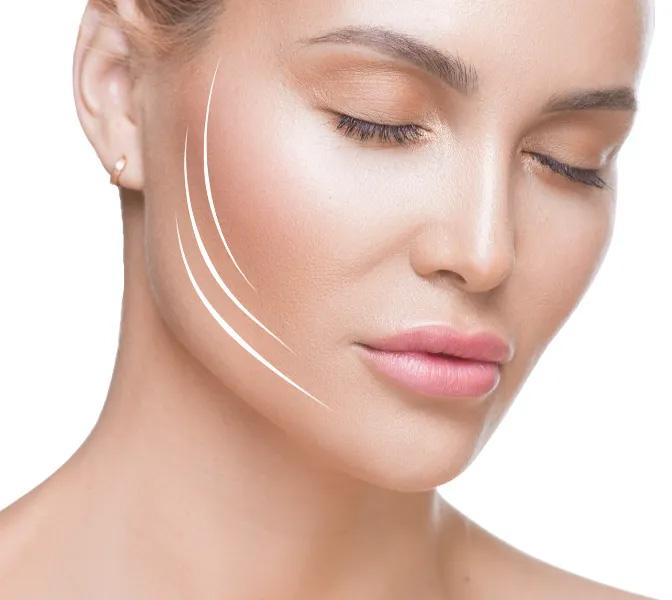
Choosing the right treatment area is an important part of planning any aesthetic procedure. With Endolift, the consultation provides an opportunity to assess the areas of the face or body where skin laxity, reduced definition, or changes in contour may be most noticeable. Rather than approaching every patient in the same way, treatment areas can be identified according to individual anatomy, skin characteristics, concerns, and desired results.
For people considering Endolift in London, understanding how treatment areas are identified during consultation can make the process easier to understand. At Bodyvie Clinic, the consultation can involve an assessment of your concerns, the condition of the skin, facial or body contours, and the areas you would like to improve.
Why Are Treatment Areas Identified During Consultation?
Every person's skin and underlying facial or body structure is different. An area that appears suitable for treatment in one person may not be the main concern for another.
During consultation, the practitioner can assess the areas you would like to address and determine how they relate to the surrounding features. This helps create a more personalised treatment discussion.
The consultation is therefore not simply about identifying where loose or lax skin is visible. It can also involve looking at the overall shape, definition, and proportions of the area.
This broader assessment allows the practitioner to understand what you are hoping to achieve and which areas are most relevant to your concerns.
What Happens During an Endolift Consultation?
The consultation generally begins with a discussion about your aesthetic concerns and the changes you have noticed.
You may explain that you are concerned about reduced definition around the jawline, changes beneath the chin, or skin laxity in another area. The practitioner can then examine the relevant area and consider its characteristics.
Depending on your concerns, the assessment may include observing the area at rest and from different angles. This can help the practitioner understand the contours and identify where changes are most apparent.
Your treatment goals are also considered. Someone looking for improved jawline definition may have different priorities from someone mainly concerned with skin laxity around the lower face.
How Does the Practitioner Identify Areas of Skin Laxity?
Skin laxity can vary significantly across the face and body. During consultation, the practitioner may examine the skin's appearance and how it sits over the underlying structures.
They can assess where looseness or reduced firmness is most noticeable and whether the concern is concentrated in one particular area or extends across a broader region.
For example, around the lower face, the assessment may include the jawline, lower cheeks, and area beneath the chin. Looking at these areas together can provide a better understanding of how they contribute to the overall facial contour.
The practitioner can then discuss which areas may be relevant to your treatment goals.
Which Facial Areas May Be Considered?
Endolift treatment planning can vary according to individual needs. During consultation, the practitioner may assess areas where changes in skin firmness or definition are particularly noticeable.
Lower Face
The lower face is often assessed as a complete area rather than focusing on one isolated point. The practitioner may examine the cheeks, jawline, and surrounding contours to understand how changes in skin laxity affect facial definition.
This can help identify whether your main concern is concentrated in one area or involves several connected areas.
Jawline
The jawline plays an important role in the shape and definition of the lower face. During consultation, the practitioner may assess its visibility and how the surrounding skin contributes to its appearance.
The assessment may involve looking at the jawline from the front and side to understand its overall contour.
Under-Chin Area
The area beneath the chin can also be assessed when discussing facial definition. The practitioner may consider the appearance of the skin, the transition between the chin and neck, and how this area relates to the jawline.
This provides a more complete understanding of the lower facial profile.
Cheeks
Changes in skin firmness around the cheeks may affect the appearance of facial contours. The practitioner may assess the lower and mid-face to determine how the skin sits and how the cheek area relates to surrounding features.
The purpose is to understand the overall facial structure before discussing the treatment approach.
Can Endolift Treatment Areas Be Different for Each Person?
Yes. Individual anatomy and aesthetic goals can make treatment planning highly personal.
Two people may both be interested in Endolift but have different concerns. One may want to focus on the lower face, while another may be more concerned about an area of the body.
The consultation allows the practitioner to identify the areas that are most relevant to each individual.
This is why choosing an Endolift Clinic in London should involve more than simply considering the treatment itself. The consultation process is an important opportunity to understand how your individual concerns will be assessed and addressed.
How Are Body Treatment Areas Identified?
Although Endolift is often discussed in relation to facial areas, consultation can also involve body areas depending on the treatment being considered.
When assessing a body area, the practitioner may examine the skin, contours, and areas where reduced firmness or changes in definition are noticeable.
The assessment can include looking at the area from different angles and considering how it relates to surrounding body contours.
Your concerns are also discussed so that the practitioner understands which specific changes you would like to address.
Why Are Surrounding Areas Considered?
A treatment area does not always exist in isolation. Changes in one region can influence the appearance of the areas around it.
For example, the definition of the jawline is connected visually with the cheeks and neck. Assessing only a small section could therefore provide an incomplete picture.
By considering nearby areas, the practitioner can better understand the overall contour and determine how your concerns fit within the wider appearance of the face or body.
This approach can support a more balanced treatment plan.
How Does Skin Quality Influence Area Identification?
The appearance and condition of the skin can be an important part of the consultation.
The practitioner may assess characteristics such as skin firmness, texture, and the way the skin sits over the underlying structures. These observations can help explain why certain areas appear less defined or why skin laxity is more noticeable in particular locations.
Considering skin quality alongside your concerns can help the practitioner identify the areas that are most appropriate to discuss during treatment planning.
Why Are Different Angles Used During Assessment?
Looking at an area from only one direction may not provide a complete understanding of its contours.
During consultation, the practitioner may examine the face or body from the front, side, or angled views. This can help reveal differences in definition, skin laxity, and overall contour.
For facial treatment, side and three-quarter views can be particularly useful when discussing the jawline, chin, and lower face.
Different perspectives allow the practitioner to consider the area as it appears in everyday situations rather than relying solely on a single view.
How Are Your Aesthetic Goals Used to Identify Treatment Areas?
Your goals are an important part of deciding which areas should be discussed.
For example, you may want to improve the appearance of your jawline, create greater definition beneath the chin, or address changes in skin firmness around the lower face.
Explaining what you notice and what you would like to change helps the practitioner understand your priorities.
You can also discuss the type of result you prefer. Some people may want a subtle improvement in definition, while others may have a specific area that they feel has changed significantly.
The consultation provides an opportunity to align the physical assessment with your personal expectations.
Does Previous Treatment Affect the Consultation?
If you have previously undergone aesthetic treatments, it is useful to tell the practitioner during your consultation.
Previous treatments can provide context about changes you have noticed and the areas that have already been addressed.
The practitioner may ask about the type of treatment, when it was performed, and which areas were involved. This information can then be considered alongside your current concerns.
Providing an accurate treatment history can therefore help make the consultation more comprehensive.
How Is a Personalised Endolift Treatment Plan Developed?
After assessing the relevant areas and discussing your goals, the practitioner can explain which treatment areas may be considered.
The plan can be based on factors such as:
- The location of visible skin laxity
- Existing facial or body contours
- Skin characteristics
- Your overall facial or body proportions
- Areas that concern you most
- Your desired aesthetic outcome
Rather than automatically treating a predefined area, the consultation allows the practitioner to develop a plan around your individual characteristics.
The practitioner can also explain why particular areas are being considered and how they relate to the overall treatment objective.
What Should You Discuss During an Endolift Consultation?
Preparing for your consultation can help you communicate your goals clearly.
You may wish to discuss when you first noticed changes in the area, what specifically concerns you, and whether you have noticed changes in skin firmness or definition.
It can also be useful to explain which areas you would like to maintain as they are. A detailed discussion of both your concerns and preferences helps the practitioner understand the outcome you are looking for.
If you have previously received aesthetic treatments, providing this information can also contribute to the consultation.
How Does a Consultation Support a Natural-Looking Result?
A natural-looking outcome begins with understanding the individual's existing anatomy and proportions.
Identifying treatment areas carefully allows the practitioner to consider how the targeted region fits with the surrounding features. This can be particularly important for facial treatment, where small changes in one area can influence the overall appearance.
Instead of treating every area that shows some degree of change, the consultation can focus on the locations that are most relevant to your concerns and goals.
This personalised approach can help keep treatment planning centred on facial or body balance.
What Can You Expect at Bodyvie Clinic?
At Bodyvie Clinic, an Endolift consultation provides an opportunity to discuss your concerns and have the relevant areas assessed before treatment.
The practitioner can examine the skin and contours of the areas you would like to address while considering your overall facial or body structure. Different views may be used to understand the area more fully.
Your expectations are also discussed so that the proposed treatment approach can be aligned with your individual goals.
For anyone researching Endolift Skin Tightening London, understanding this consultation process can help you know what to expect before deciding whether the treatment is appropriate for your needs.
Conclusion
Identifying the right treatment areas is an important part of an Endolift consultation. Rather than relying on a standard treatment pattern, the practitioner can assess your skin, contours, facial or body proportions, and individual concerns.
Different angles may be considered, while surrounding areas can also be evaluated to understand how they contribute to your overall appearance. Your previous treatment history and aesthetic goals can further inform the discussion.
For people considering Endolift in London, a detailed consultation provides an opportunity to understand how treatment areas are selected and how a personalised approach can be developed. At Bodyvie Clinic, discussing your concerns alongside a careful assessment can help create a treatment plan that reflects your individual features and desired outcome.
FAQs
How are Endolift treatment areas identified?
Treatment areas are identified by assessing your concerns, skin characteristics, contours, facial or body structure, and desired aesthetic outcome during consultation.
Can more than one area be assessed during an Endolift consultation?
Yes. The practitioner may assess surrounding areas as well as your main concern to understand how different contours and features relate to each other.
Is the jawline assessed before Endolift?
If the jawline is one of your concerns, the practitioner can assess its definition and how the surrounding skin and facial structures contribute to its appearance.
Can the area beneath the chin be assessed?
Yes. The practitioner may examine the skin and contours beneath the chin and consider how this area relates to the jawline and neck.
Why are different angles used during an Endolift assessment?
Different angles can provide a more complete view of skin laxity, contours, and definition that may not be apparent from a single perspective.
Do my personal goals affect which areas are treated?
Yes. Your aesthetic goals and the specific changes you want to address are important factors when discussing potential treatment areas.
Should I tell the practitioner about previous aesthetic treatments?
Yes. Information about previous treatments can provide useful context and may be considered when assessing your current concerns.
Why is a consultation important before Endolift?
A consultation allows the practitioner to assess your individual features, discuss your goals, identify relevant treatment areas, and develop a personalised treatment approach.

 Bangla