


Lifeguard Recertification: A Comprehensive Guide to Renewing Your Lifeguard Certification
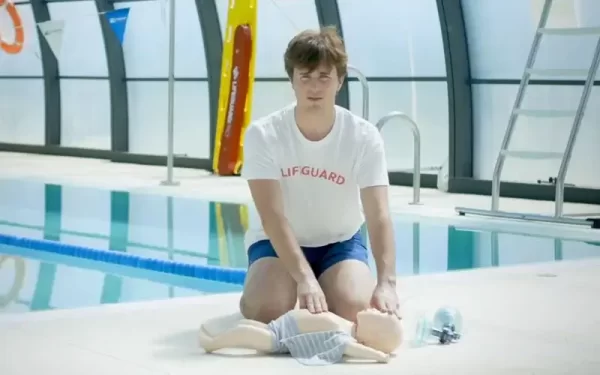
Lifeguard recertification is a critical part of maintaining your skills and ensuring that you are prepared to handle emergencies in aquatic environments. As a lifeguard, your certification is only valid for a specific period, typically two years. After that, you must complete a recertification course to renew your status as a certified lifeguard. This process ensures that you remain up-to-date with the latest techniques, safety standards, and emergency response protocols.
In this guide, we will explore the importance of lifeguard recertification, what the process involves, the requirements, and why it's crucial to stay certified.
Why Lifeguard Recertification is Important
Lifeguarding is a high-responsibility role that requires a continuous commitment to safety and skill proficiency. Over time, emergency response protocols and safety procedures can evolve, and new technologies may be introduced to enhance the efficiency and effectiveness of rescue operations.
Lifeguard recertification ensures that lifeguards:
- Stay current with the latest water safety practices, rescue techniques, and CPR/first aid guidelines.
- Maintain the skills necessary to respond quickly and effectively to emergencies.
- Follow industry standards, ensuring the safety of swimmers and bystanders.
- Remain employable as most employers require lifeguards to have up-to-date certifications to maintain their positions.
By participating in the recertification process, lifeguards ensure that they can perform their duties with confidence and readiness, making it a vital step in maintaining both personal competence and public safety.
When to Recertify Your Lifeguard Certification
Lifeguard certifications typically last two years from the date of completion. After this period, you must undergo recertification to renew your credentials. The recertification process is designed to be relatively quick, focusing on the most essential skills and knowledge necessary to perform the duties of a lifeguard.
However, if you let your certification expire without completing the recertification process, you will need to take a full lifeguard certification course again. This can be more time-consuming and expensive, so it’s important to stay on top of your recertification dates.
The Lifeguard Recertification Process
The process for lifeguard recertification can vary slightly depending on the certification provider, but the core elements are generally the same across most organizations, such as the American Red Cross, YMCA, or the American Lifeguard Association (ALA).
1. Eligibility for Recertification
- To be eligible for recertification, you must have a valid, unexpired certification from a recognized lifeguard training provider. If your certification has expired, you may need to take the full certification course again.
- Some organizations may offer a grace period, usually up to 30-60 days after your certification expires, allowing you to renew without retaking the full course.
2. Recertification Course Components
While recertification courses are typically shorter than the full certification courses, they still require you to demonstrate proficiency in several key areas:
- CPR and First Aid: You will need to review and demonstrate your ability to perform CPR (Cardiopulmonary Resuscitation) and basic first aid techniques. This is crucial for lifeguards, as these skills are often needed in emergency situations to save lives.
- Water Rescue Techniques: Lifeguards must demonstrate their ability to perform a variety of water rescue techniques, including reaching assists, swimming rescues, and victim removal from the water. You will likely be tested on both basic and advanced rescue methods, depending on the level of the course.
- AED (Automated External Defibrillator): You’ll be required to demonstrate how to use an AED to revive someone in cardiac arrest. This is an essential tool for lifeguards, and knowing how to use it quickly and correctly can save lives.
- Spinal Injury Management: Handling spinal injuries safely is crucial in water-based environments. You’ll practice the techniques used to stabilize victims with potential spinal injuries, ensuring that they are not further harmed during a rescue.
- Physical Fitness Assessment: Many recertification programs include a physical fitness test to assess your endurance and swimming proficiency. This may include a timed swim, retrieval of an object from the bottom of the pool, or other physical challenges.
3. Recertification Exam
- Similar to the original certification process, you will need to pass both a written exam and a practical skills exam. The written exam typically covers topics such as water safety, emergency procedures, CPR, first aid, and rescue techniques. The practical exam will test your ability to perform rescues, administer CPR, and use first aid techniques in realistic scenarios.
4. Recertification Duration
- Lifeguard recertification courses generally take a few hours to one day to complete, depending on the provider. The course duration is much shorter than the full certification course, as it focuses on reviewing and testing the core skills required for lifeguarding.
Lifeguard Recertification Providers
There are several organizations that offer lifeguard recertification courses, with the most well-known being:
1. American Red Cross
- The American Red Cross is one of the most widely recognized providers of lifeguard training and recertification in the U.S. Their recertification courses are available both in-person and online, and they focus on reviewing rescue techniques, CPR, first aid, and AED use. The American Red Cross Lifeguard Recertification is typically completed in one day, depending on your prior certification.
2. YMCA
- The YMCA offers recertification courses for those who have previously completed a YMCA lifeguard training program. Their courses are community-focused and emphasize water safety, CPR, first aid, and emergency response.
3. American Lifeguard Association (ALA)
- The American Lifeguard Association offers recertification courses that are known for their hands-on approach to training. ALA's recertification program covers water safety, CPR, first aid, AED, and spinal injury management, ensuring lifeguards stay sharp in their skills.
Costs of Lifeguard Recertification
The cost of lifeguard recertification can vary depending on the organization and location, but typically ranges from $50 to $150. Some employers may cover the cost of recertification if you’re currently employed as a lifeguard, so it’s worth checking with your employer for any financial assistance or reimbursement options.
Benefits of Lifeguard Recertification
- Maintain Employment Opportunities: Many employers, including public pools, beaches, and waterparks, require lifeguards to have up-to-date certifications. Recertification ensures you remain eligible for employment.
- Stay Competent and Confident: Regularly updating your skills through recertification ensures that you stay competent and confident in your ability to handle emergencies. You’ll be up to date on the latest protocols and safety measures.
- Protect Lives: The most important benefit of recertification is the ability to save lives. By refreshing your knowledge and skills, you’re better equipped to respond to emergency situations quickly and efficiently.
- Career Advancement: Lifeguard recertification is often a step toward higher roles in aquatic safety, such as head lifeguard, supervisor, or trainer. Ongoing education helps you stand out and move forward in your career.
Conclusion
Lifeguard recertification is a crucial part of maintaining your ability to serve as an effective and confident lifesaver in aquatic environments. By ensuring that your skills remain sharp and up-to-date, you are better prepared to respond to emergencies and provide the highest level of safety to those around you. Whether you're renewing your certification for the first time or are a seasoned lifeguard, staying current with recertification ensures that you continue to meet the highest safety standards and can perform your job with confidence and efficiency.
Author Bio:
Arlo Booker is a seasoned lifeguard instructor and aquatic safety expert with over 12 years of experience training lifeguards. He has worked with leading organizations like the American Lifeguard Association and the American Red Cross, teaching lifeguards to respond to emergencies and ensure water safety. John is dedicated to improving safety standards and providing ongoing education to lifeguards across the United States.

 Bangla