


Why Ingredient Quality Matters When Choosing Everyday Meals
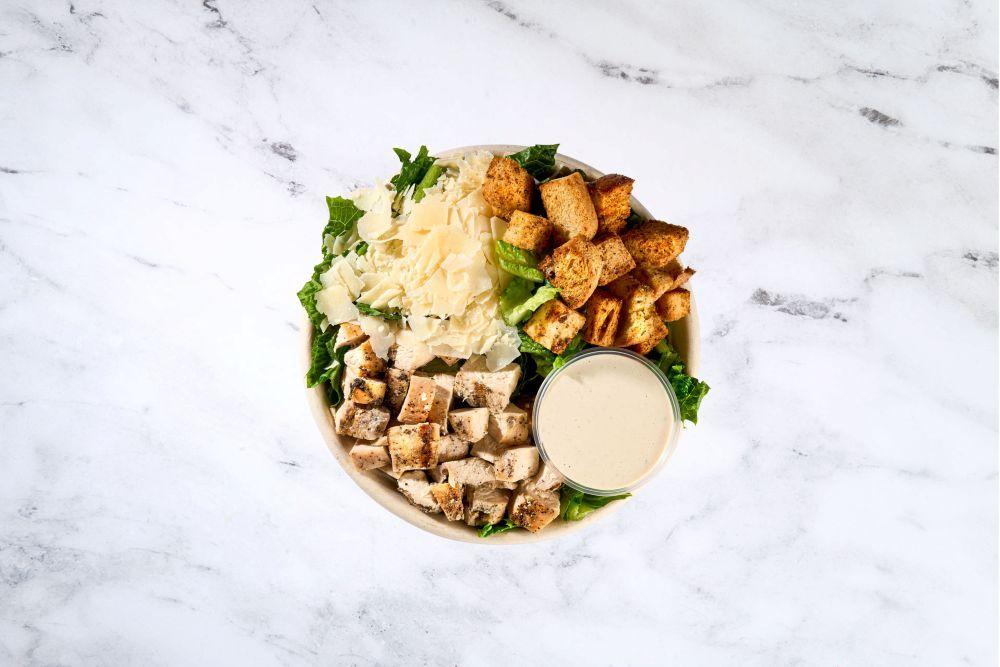
Choosing what to eat each day can influence both the dining experience and overall dietary quality. With busy schedules and countless food options available, many people appreciate meals that combine appealing flavors, convenient preparation, and a variety of ingredients. Paying attention to ingredient quality is a simple way to make more thoughtful food choices.
Fresh Ingredients Create Better Flavor Combinations
The taste of a meal often depends on how its ingredients work together. Crisp lettuce, ripe tomatoes, crunchy carrots, and fresh cucumbers can provide a refreshing foundation for different dishes. Herbs, spices, and carefully selected dressings add depth without requiring complicated preparation.
Combining vegetables with grains and protein sources can also create meals with a satisfying balance of textures and flavors. Exploring different combinations helps keep everyday eating interesting rather than repetitive.
Customization Makes Food More Personal
Everyone has different preferences when it comes to taste, ingredients, and portion sizes. Some people enjoy simple vegetable combinations, while others prefer adding grilled chicken, avocado, beans, or crunchy toppings.
For those who enjoy building meals around their favorite ingredients, custom salad bowls offer flexibility and variety. Customers can select different vegetables, proteins, and dressings to create combinations that suit their individual preferences.
Convenience for Everyday Dining
Finding time to prepare meals can be challenging for people with demanding schedules. Convenient food options provide an alternative when cooking at home is not practical, especially during busy workdays or when traveling between commitments.
Planning ahead can make these decisions easier. Preparing vegetables in advance, keeping basic ingredients available, and identifying convenient meal options can reduce the stress associated with daily food choices.
Making Balanced Eating a Habit
A balanced diet does not have to involve complicated recipes or strict rules. Including a variety of vegetables, selecting suitable protein sources, and choosing appropriate portions can help people build practical eating habits.
It is also important to consider individual nutritional needs. A meal that works well for one person may need adjustments for another, depending on activity levels, preferences, and health requirements.
Conclusion
Ingredient quality, flavor, and flexibility all contribute to an enjoyable dining experience. By exploring different combinations and choosing meals that suit their routines, people can make everyday food decisions simpler and more satisfying. Small, consistent choices can help create a balanced approach to eating over time.

 Bangla