


Drywall Services in Tallahassee, FL: How to Repair and Maintain Interior Walls
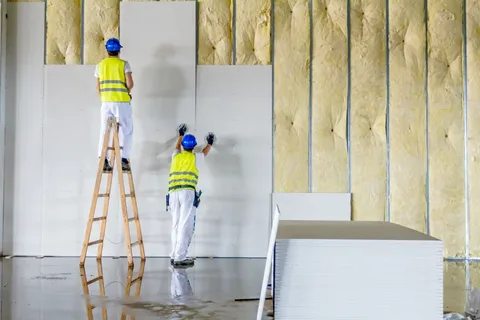
Interior walls play an important role in the appearance and comfort of a home. Smooth walls create a clean finish, support interior design choices, and provide a suitable surface for paint and decoration. However, holes, cracks, dents, and moisture stains can develop over time. Homeowners looking for Drywall Services in Tallahassee, FL should understand the common causes of wall damage, the available repair options, and the importance of addressing underlying problems before applying new finishes.
Daily activities can leave marks on drywall. Furniture may create dents, doors can cause holes when they hit walls, and small cracks may appear as a home settles. Tallahassee's humid climate and periods of heavy rain can also make moisture control important. Water stains or soft drywall may indicate a leak that needs attention before repairs begin.
Keeping walls in good condition does not always require replacing an entire section. Small holes and surface imperfections may need only localized repairs, while widespread damage can require more extensive work. Understanding the condition of your walls can help you choose the right solution, maintain a neat interior, and avoid repeated repairs.
Why Drywall Services in Tallahassee, FL Are Important
Drywall is commonly used to create interior wall and ceiling surfaces in residential properties. It provides a smooth base for paint and other finishes and can be repaired when limited damage occurs.
Over time, normal household activities may cause scratches, dents, nail holes, and cracks. Although some damage is mainly cosmetic, other signs may point to a more serious issue. For example, a recurring crack may need further assessment, while a brown stain could indicate water entering from a roof, plumbing system, or exterior opening.
Professional drywall work can help restore damaged surfaces and create a consistent finish. The process may involve removing loose material, preparing the affected area, installing a patch, applying joint compound, sanding, and preparing the surface for paint.
The appropriate repair depends on the size of the damaged area, the condition of the surrounding material, and the cause of the problem. A careful inspection can help determine whether a small patch is sufficient or whether a larger section needs replacement.
Common Drywall Problems Homeowners Should Recognize
Knowing the signs of drywall damage can help homeowners decide when to arrange an inspection.
Small Holes and Dents
Small holes may occur when picture hooks are removed, furniture strikes a wall, or a door handle hits the surface. Shallow dents can also appear when heavy objects are moved through a room.
Minor damage can often be repaired with suitable patching materials and careful surface preparation. Larger holes may require a backing support or a replacement drywall piece to create a stable repair.
Cracks Along Walls and Ceilings
Hairline cracks can develop as materials expand and contract or as a home experiences normal movement. Cracks around corners, joints, doors, and windows may be related to movement in the building materials.
Not every crack indicates a serious problem. However, cracks that widen, return after repairs, appear with uneven surfaces, or occur alongside sticking doors should be assessed more carefully. A professional may need to determine whether the cause involves drywall joints, moisture, or structural movement.
Peeling Paint and Uneven Surfaces
Paint may peel when the surface was not properly prepared, when unsuitable products were used, or when moisture is present. Uneven patches may result from previous repairs that were not blended smoothly with the surrounding wall.
Before repainting, check whether the surface is dry and stable. Applying fresh paint over loose material or unresolved moisture can lead to further peeling and wasted effort.
Water Stains and Soft Drywall
Water stains can appear after roof leaks, plumbing failures, or water entering around windows and doors. Drywall that becomes soft, swollen, crumbling, or persistently damp may need to be removed and replaced.
Do not assume that painting over a stain will solve the problem. Identify and repair the source of moisture first. Significant water damage or suspected mold may require specialized assessment and remediation.
When to Repair Drywall and When to Replace It
Choosing between a patch and replacement depends on the extent of the damage and the condition of the material.
Small nail holes, shallow dents, and limited surface damage can often be repaired without replacing a full section. A suitable patching compound and careful finishing may restore the appearance of the wall.
Larger holes may need a new piece of drywall secured to appropriate supports. The seams must then be finished and blended so the repaired area does not stand out after painting.
Replacement may be necessary when drywall has extensive water damage, crumbles easily, has lost its strength, or contains damage across a large area. Before installing new material, inspect the framing and nearby surfaces for moisture or other concerns.
The cause of the damage should guide the repair decision. Replacing drywall without fixing a leaking pipe or recurring roof leak can allow the problem to return. A proper assessment helps ensure that the repair addresses more than the visible surface.
Understanding the Drywall Repair Process
A quality repair involves several stages. Each step contributes to a smooth finish and helps the repaired area blend with the existing wall.
Step 1: Inspect and Prepare the Area
The damaged section should be examined to determine the size of the repair and whether any underlying issues are present. Furniture and nearby surfaces should be protected from dust and debris.
Loose material may need to be removed so the patch can attach to a stable surface. If moisture is suspected, the source should be identified and corrected before the wall is closed.
Step 2: Patch or Replace the Damaged Section
The repair method depends on the size and depth of the damage. Small holes may require a suitable patching product, while larger openings may need a drywall piece and proper support.
Using the correct materials helps the repair remain stable. The patch should fit appropriately, and fasteners should be installed according to the material and repair method.
Step 3: Apply Joint Compound
Joint compound is used to cover seams, fasteners, and repaired areas. It is generally applied in controlled layers rather than as one thick coat. Each layer needs sufficient drying time before the next stage.
Proper application helps create a gradual transition between the patch and the existing wall. Rushing this stage may leave ridges, visible edges, or uneven areas.
Step 4: Sand and Smooth the Surface
Once the compound has dried, the surface is carefully sanded to remove ridges and create a smooth finish. Excessive sanding can damage the surrounding paper surface, so the work should be done carefully.
Dust control is important during sanding. Use appropriate protective equipment and methods to limit airborne dust, especially when working in occupied areas.
Step 5: Prime and Paint
The repaired surface should be prepared according to the finishing product instructions. Primer helps create a more consistent surface and can reduce differences in how the patch and surrounding wall absorb paint.
Matching the existing paint color and sheen can be challenging, particularly when the original finish has faded. In some cases, repainting the entire wall may produce a more uniform result.
How Humidity and Moisture Affect Drywall in Tallahassee
Tallahassee's humid weather makes moisture management an important part of home maintenance. Indoor moisture can come from cooking, showers, plumbing leaks, and water entering from outside.
Drywall that remains damp may lose strength, develop stains, or provide conditions that support mold growth. Moisture can also affect nearby insulation, framing, and trim.
Homeowners should use bathroom and kitchen ventilation as recommended and repair plumbing leaks promptly. Inspect areas around windows and ceilings when stains appear, particularly after periods of heavy rain.
If drywall becomes wet, the appropriate response depends on how much water entered the material, how long it remained wet, and whether contamination is involved. Simply allowing a visibly damaged section to dry may not be enough in every situation.
When mold is suspected, avoid disturbing a large affected area without proper guidance. A qualified remediation professional may be needed, especially when contamination is extensive or the moisture source is not clear.
Drywall Services in Tallahassee, FL can help homeowners assess damaged interior surfaces and plan appropriate repairs. However, serious leaks, structural concerns, and significant mold problems may require other qualified specialists before drywall work begins.
Preparing Drywall for Painting
A good paint finish starts with a properly prepared surface. Even high-quality paint may highlight dents, seams, and uneven patches when the wall has not been finished correctly.
Start by checking the wall under suitable lighting. Bright light directed across a surface can make ridges and small imperfections easier to see. Repair any remaining defects before applying primer.
Remove dust using an appropriate method and make sure the surface is dry. Use a primer suitable for the drywall compound and chosen paint system. Follow the manufacturer's directions for drying times and application.
Paint color and sheen can affect how visible a repair becomes. Flat finishes may hide some minor imperfections better than glossier finishes, while higher-sheen paints can make uneven areas more noticeable.
If the existing wall has an older paint color, a small test area can help you determine whether the new finish will match. For the most consistent result, painting the entire wall may be preferable to touching up only the repaired section.
Common Drywall Repair Mistakes to Avoid
Some repairs fail because the visible damage is addressed without proper preparation. Avoiding a few common mistakes can improve the finished result.
One mistake is covering damaged drywall before checking for moisture. If the source of the water remains active, the new patch may stain or deteriorate again.
Another mistake is applying too much joint compound at once. Thick layers may take longer to dry and can leave uneven surfaces. Applying suitable layers and allowing proper drying time can help produce a smoother finish.
Skipping primer can also create visible differences between the patched area and the surrounding wall. Drywall compound may absorb paint differently, making repaired sections stand out.
Poor sanding and rushed painting can leave ridges, rough edges, and obvious patches. Take time to inspect the surface before applying the final finish.
Finally, do not ignore cracks that continue to grow or reappear. Repeated cosmetic repairs may not solve the underlying cause. If damage suggests movement or another building problem, arrange an appropriate assessment before continuing.
How to Choose a Drywall Contractor
Selecting the right professional can make the repair process easier and help you achieve a more consistent finish.
Start by describing the damage and providing photographs when possible. Explain whether the issue involves a small hole, a large opening, ceiling damage, or signs of water intrusion. This information can help the contractor determine whether an inspection is needed before providing an estimate.
Ask about experience with similar repairs and the proposed finishing method. Find out whether the estimate includes removing damaged material, preparing the area, patching, sanding, priming, painting, and cleanup.
Confirm applicable licensing and insurance requirements for the work. Larger projects or work involving structural changes may require additional qualifications or permits.
Request a written estimate and ask how unexpected problems will be handled. If hidden damage is discovered after the wall is opened, agree on the additional work and cost before proceeding.
Whole Home Professionals LLC is one company homeowners may consider when exploring home improvement services. Contact the company directly to confirm whether its available services match your drywall repair or installation needs.
Frequently Asked Questions
1. How much does drywall repair cost in Tallahassee?
The cost depends on the size of the damaged area, the type of repair, material requirements, accessibility, and the amount of finishing needed. Extensive water damage or replacement work may cost more than a small patch. Request an estimate based on the actual condition of the wall.
2. Can small drywall holes be repaired without replacing the wall?
Yes. Many small holes and shallow dents can be repaired with suitable patching materials and careful finishing. Larger openings may require a drywall patch secured with appropriate support.
3. How long does drywall repair take?
Small repairs may be completed relatively quickly, but the full process can take longer because joint compound, primer, and paint need time to dry. Larger repairs or moisture-related problems may require additional work.
4. Should water-damaged drywall always be replaced?
Not every situation requires the same response. The decision depends on the extent of the damage, how long the material remained wet, and whether contamination or loss of strength has occurred. Damaged drywall should be assessed and the moisture source corrected before the wall is refinished.
5. Why does a drywall patch show through after painting?
A patch may remain visible because of uneven sanding, insufficient primer, differences in surface texture, or a mismatch in paint color and sheen. Proper preparation and, when needed, repainting the entire wall can help create a more consistent finish.
Conclusion
Damaged drywall can affect the appearance of a room and may sometimes point to a larger maintenance problem. Identifying the cause, choosing the correct repair method, and preparing the surface properly can help restore the wall and prevent avoidable repeat work.
Inspect your walls periodically for holes, cracks, uneven surfaces, and moisture stains. Address leaks and other underlying problems before covering damaged areas, and seek professional assistance when repairs are extensive or the cause is unclear.
Homeowners researching interior repair options can contact Whole Home Professionals LLC to discuss their project and confirm available services. With appropriate repairs and regular maintenance, your home's walls can remain smooth, clean, and ready for a fresh finish.

 Bangla