


Does Hot Water Damage Hair? Understanding the Effects of Water Temperature on Hair Health
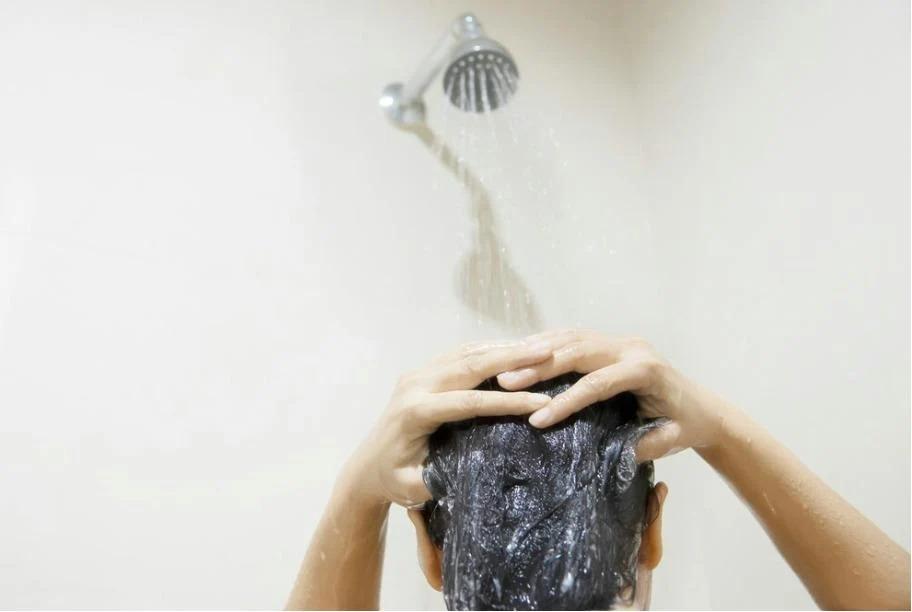
A warm shower can be one of the most relaxing parts of a busy day. After a long day at work, there is something comforting about standing under a stream of warm water and letting the tension disappear. However, while hot water may feel soothing on the body, it may not always be the best choice for your hair and scalp. Water temperature can influence scalp comfort, hair texture, moisture levels, and even how effectively you cleanse your hair.
This leads to a common question among people who regularly wash their hair: does hot water damage hair? The answer is more nuanced than simply calling hot water good or bad. Extremely hot water can potentially contribute to dryness and irritation, particularly when combined with frequent washing, harsh shampoos, heat styling, or an already sensitive scalp. Understanding how temperature affects the hair can help you develop a healthier and more balanced hair-care routine.
How Hot Water Affects Your Hair
Hair strands are primarily made of a protein called keratin and are protected by an outer layer known as the cuticle. The cuticle consists of overlapping layers that help protect the inner structure of the strand and retain moisture. When hair is exposed to excessive heat or harsh conditions, this protective layer can become compromised.
Very hot water may remove some of the natural oils that help keep the scalp and hair lubricated. These oils, commonly referred to as sebum, play an important role in maintaining the scalp's natural moisture barrier. When too much oil is stripped away, the hair may feel rough, dry, or less manageable.
People with naturally dry, curly, chemically treated, or damaged hair may notice these effects more easily. Their hair often requires additional moisture, so repeatedly washing with very hot water can make existing dryness more noticeable.
So, Does Hot Water Damage Hair?
If you are wondering, does hot water damage hair, it is important to distinguish between warm water and excessively hot water. Warm water used comfortably during a shower is generally very different from water that is uncomfortably hot.
Extremely hot water can contribute to dryness by washing away protective oils from the scalp and hair. It may also make the scalp feel irritated, especially for people who already experience sensitivity. However, hot water alone is unlikely to be the sole explanation for significant hair loss or severe hair damage.
Hair health depends on many factors, including genetics, nutrition, hormonal changes, styling practices, chemical treatments, environmental exposure, scalp health, and overall hair-care habits. Water temperature is just one part of that larger picture.
Instead of avoiding warm showers entirely, the better approach is to use comfortably warm or lukewarm water and avoid temperatures that feel excessively hot against the skin.
Can Hot Water Make Hair Dry?
One of the most noticeable consequences of using very hot water regularly can be increased dryness. Natural scalp oils help condition the hair, particularly near the roots. Excessively hot water can remove these oils more aggressively, leaving the hair feeling less soft and flexible.
Dry hair can become more prone to tangling, frizz, and breakage. This does not necessarily mean that hot water directly causes hair loss from the root. Breakage occurs along the hair shaft, whereas true hair loss involves the hair follicle and may have entirely different causes.
This distinction is particularly important when evaluating changes in hair density. If someone notices excessive shedding, thinning patches, or a widening part, simply changing shower temperature may not address the underlying issue.
Is Hot Water Good for Hair?
Another frequently searched question is hot water good for hair? There can be some practical benefits to using warm water during a hair wash. Moderate warmth can make shampooing feel more comfortable and can help loosen excess oil, sweat, and styling-product residue from the scalp.
Warm water may also make it easier to distribute shampoo throughout the hair. For people with an oily scalp or those who use styling products regularly, this can be useful as part of an effective cleansing routine.
The key is moderation. Water does not need to be extremely hot to clean the scalp. In fact, increasing the temperature beyond what is comfortable does not necessarily provide better cleansing. A gentle shampoo combined with lukewarm water can usually accomplish the same goal without unnecessarily stressing the scalp's moisture barrier.
Why Lukewarm Water Is Often a Better Choice
For most people, lukewarm water offers a practical middle ground. It is warm enough to make washing comfortable while being less likely to leave the scalp feeling excessively dry.
A simple routine can make a meaningful difference:
-
Wet the hair thoroughly with lukewarm water.
-
Apply shampoo primarily to the scalp rather than aggressively rubbing the entire length.
-
Massage gently with the fingertips.
-
Rinse thoroughly with lukewarm water.
-
Apply conditioner to the mid-lengths and ends when appropriate.
-
Rinse without using excessively hot water.
-
Dry the hair gently rather than rubbing it aggressively with a towel.
This approach focuses on cleaning the scalp while protecting the hair lengths from unnecessary friction and moisture loss.
What About Cold Water?
Cold water is often promoted as a secret to shinier or healthier hair, but the reality is less dramatic. Cold water can feel refreshing and may be comfortable for some people, but there is no need to force yourself to take an uncomfortably cold shower for better hair.
The most important consideration is avoiding extremes. Hair and scalp care generally benefit from gentle handling, appropriate cleansing, adequate conditioning, and minimizing unnecessary physical and thermal stress.
Rather than obsessing over whether hot or cold water is the ultimate choice, concentrate on maintaining a consistent routine suited to your hair type.
The Difference Between Hair Damage and Hair Loss
Many people associate dry or brittle hair with hair loss, but these are not always the same problem. Hair damage usually affects the visible strand. Hair loss, on the other hand, generally involves the hair-growth cycle and the follicle.
For example, repeated exposure to high heat from straighteners, curling irons, and blow dryers can weaken the hair shaft. Chemical treatments such as bleaching and frequent coloring may also contribute to breakage.
Hair shedding can have a much broader range of causes. Genetics, stress, nutritional deficiencies, hormonal fluctuations, certain medications, illness, and scalp conditions can all influence the hair-growth cycle.
Consequently, changing shower temperature may help improve the feel and condition of dry hair, but it should not be viewed as a universal solution for hair thinning or excessive shedding.
Does Shower Temperature Affect the Scalp?
The scalp is the foundation from which hair grows, so maintaining a comfortable scalp environment is an important part of hair care. Excessively hot water may cause temporary redness, dryness, or irritation in some individuals.
If your scalp feels tight or uncomfortable after showering, consider lowering the water temperature. You may also want to evaluate the products you are using. Shampoos containing strong cleansing agents, frequent washing, aggressive scratching, and excessive product buildup can all affect scalp comfort.
People with persistent itching, scaling, redness, painful areas, or unusual shedding should consider speaking with a qualified dermatologist rather than relying exclusively on changes to their washing routine.
Other Habits That Can Protect Hair
Water temperature is only one element of a healthy hair-care routine. Several everyday habits can make a bigger difference over time.
Avoid washing the hair with extremely hot water, but also avoid vigorous scrubbing. The scalp can generally be cleaned effectively using gentle fingertip massage.
Limit frequent high-temperature styling where possible. If you use a hair dryer, straightener, or curling tool, consider using an appropriate heat-protective product and avoiding unnecessarily high temperatures.
Conditioning can also help improve manageability and reduce friction between individual strands. This can be particularly helpful for longer, curly, dry, or chemically treated hair.
Finally, avoid repeatedly pulling, brushing, or tying wet hair tightly. Wet strands can be more vulnerable to mechanical stress, making gentle handling especially important immediately after washing.
How Often Should You Wash Your Hair?
There is no universal washing schedule that works for everyone. Hair-washing frequency depends on factors such as scalp oil production, hair texture, lifestyle, climate, exercise habits, and the products used.
Someone with an oily scalp may prefer more frequent washing, while someone with dry or curly hair may require less frequent cleansing. The goal is to keep the scalp clean and comfortable without repeatedly stripping away too much moisture.
If your hair consistently feels dry after washing, consider reviewing your shampoo, conditioner, washing frequency, and water temperature together instead of blaming one factor.
Creating a Healthier Hair-Washing Routine
A few simple changes can make your shower routine more hair-friendly. Start by keeping the water comfortably warm rather than extremely hot. Use a shampoo appropriate for your scalp and apply it mainly to the roots. Massage gently instead of scratching with your nails.
Condition the lengths and ends if your hair needs additional moisture. Rinse thoroughly and gently squeeze excess water from the hair before drying. A soft towel or microfiber towel can help minimize rough friction.
Most importantly, pay attention to how your scalp and hair respond. If your hair feels consistently rough, your scalp feels irritated, or you notice persistent changes in shedding, consider looking beyond water temperature and identifying other potential contributors.
Final Thoughts
So, does hot water damage hair? Excessively hot water can contribute to dryness, irritation, and a rougher hair texture by removing some of the natural oils that help protect the scalp and hair. However, it is only one factor among many that influence hair health.
And is hot water good for hair? Comfortably warm water can be useful for cleansing, but there is little reason to make the water extremely hot. Lukewarm water is generally a sensible option for regular hair washing because it provides effective cleansing without unnecessary exposure to excessive heat.
Healthy hair is rarely the result of one miracle habit. Instead, it comes from consistent, gentle care: choosing suitable products, protecting the hair from excessive heat and friction, maintaining scalp hygiene, and paying attention to changes in hair texture or shedding.
The next time you step into the shower, you do not have to give up your relaxing warm-water routine. Simply turn the temperature down from extremely hot to comfortably warm. That small adjustment, combined with thoughtful hair-care habits, can help your hair and scalp stay comfortable, moisturized, and easier to manage over time.

 Bangla