

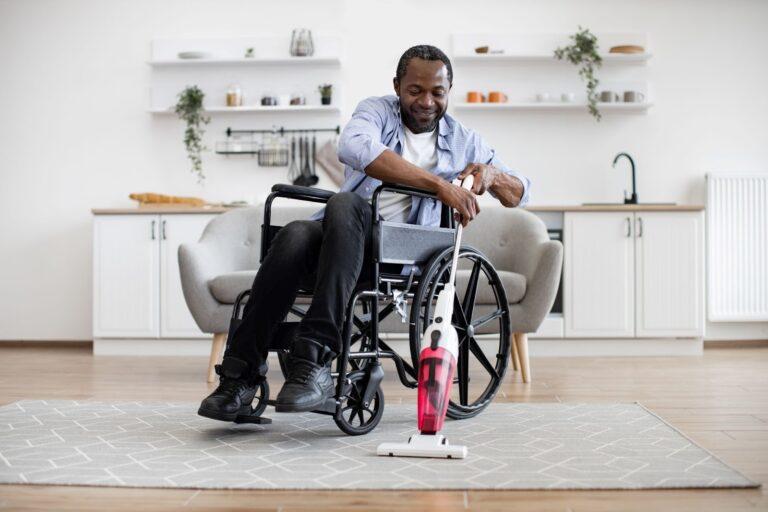
How the Right Living Environment Can Improve Independence for People with Disabilities

Choosing the right NDIS Provider Adelaide can play an important role in helping people with disabilities find living arrangements that support safety, comfort, choice, and independence. The right living environment is more than simply having a place to live. It should be suited to an individual's abilities, support requirements, preferences, and personal goals. A well-planned environment can make everyday activities easier, encourage skill development, and give people greater confidence in managing their daily lives.
Why the Living Environment Matters
The environment where a person lives can have a direct effect on how independently they can complete everyday activities. A home that is difficult to navigate or does not accommodate a person's disability may create unnecessary barriers.
For example, narrow spaces can make movement difficult for someone using a wheelchair, while an unsuitable bathroom may make personal care challenging. Poor lighting, inaccessible entrances, or an unsuitable kitchen layout can also increase dependence on others.
An appropriate living environment can remove many of these barriers. Accessible design, suitable equipment, practical layouts, and appropriate support can help individuals participate more actively in everyday routines.
The NDIS recognises several home and living support options, including supported independent living, individualised living options, home modifications, specialist disability accommodation, and other forms of assistance. The most suitable option depends on the participant's individual circumstances and support needs.
Creating a Safe and Accessible Home
Safety is one of the most important considerations when choosing a living environment. People with disabilities may have different mobility, sensory, communication, or physical support requirements.
An accessible home may include features such as:
-
Step-free entrances
-
Wider doorways
-
Accessible bathrooms
-
Non-slip surfaces
-
Appropriate lighting
-
Accessible kitchens
-
Space for mobility equipment
-
Suitable emergency systems
These features can make it easier for a person to move around their home and complete daily activities.
Safety should not mean unnecessarily restricting independence. Instead, the environment should provide appropriate safeguards while allowing the individual to make choices and participate in their own routines.
Supporting Daily Living Skills
The right home can provide opportunities for people to practise important life skills. Depending on their abilities and goals, these may include cooking, cleaning, laundry, shopping, organising belongings, and managing daily routines.
Supported independent living can provide assistance or supervision with daily tasks while helping participants develop their skills. The NDIS describes SIL as support for people with higher support needs who require significant assistance at home, including overnight support in appropriate circumstances.
Rather than completing every task for the participant, support workers can encourage individuals to participate as much as possible. For example, a support worker might guide someone through preparing a meal instead of preparing the entire meal themselves.
These small opportunities can gradually improve confidence and independence.
What Is Supported Independent Living?
Supported Independent Living, commonly called SIL, is one type of NDIS home and living support. It provides funding for support workers to assist or supervise participants with daily activities in their homes.
Support may include assistance with:
-
Personal care
-
Showering and dressing
-
Cooking and meal preparation
-
Cleaning
-
Developing routines
-
Social skills
-
Personal safety
-
Implementing behaviour support plans
-
Building independent living skills
SIL is different from the housing itself. The NDIS explains that Specialist Disability Accommodation is the physical housing, while SIL is funding for the support workers who assist participants in their homes. Some participants may have both SDA and SIL in their plans.
Understanding this difference can help families make better decisions about accommodation and support.
How Supported Independent Living Encourages Choice
Independence is not necessarily about living without assistance. It is about having control over everyday decisions and receiving the right level of support to live as independently as possible.
In Supported Independent Living Adelaide, participants may receive assistance while still making choices about their daily routines, activities, meals, personal preferences, and goals.
For example, a participant may decide what they want to cook, when they want to complete household tasks, or which community activities they would like to attend.
Giving people opportunities to make decisions can build confidence and help them develop a stronger sense of control over their lives.
Choosing the Right Location
The location of a home can be just as important as its internal design. A suitable location may provide convenient access to:
-
Public transport
-
Medical services
-
Shops
-
Parks
-
Community centres
-
Educational opportunities
-
Employment
-
Social and recreational activities
Being close to important services can make community participation easier and reduce barriers to everyday activities.
For people who require regular support, families should also consider whether support workers can conveniently access the property and whether the surrounding community is suitable for the participant's needs.
Supporting Community Participation
Independence extends beyond the home. Being connected with the wider community can support social relationships, confidence, physical activity, and emotional wellbeing.
A suitable living environment can make it easier for participants to leave home and take part in activities they enjoy.
Community participation may include visiting friends, attending appointments, shopping, participating in recreational activities, joining community groups, or accessing education and employment opportunities.
Support workers can assist participants with planning outings, using transport, communicating with others, and navigating unfamiliar environments.
Considering Individual Support Requirements
No two participants have exactly the same needs. One person may require mobility assistance, while another may need support with communication, behaviour, personal care, or daily planning.
When choosing a living environment, families should consider the participant's:
-
Current abilities
-
Future goals
-
Mobility
-
Communication needs
-
Personal care requirements
-
Behavioural support needs
-
Assistive technology
-
Social preferences
-
Desired level of independence
A good NDIS Provider Adelaide approach should begin with understanding these individual requirements rather than suggesting a one-size-fits-all arrangement.
Assistive Technology and Home Modifications
Technology and modifications can make a significant difference to independence. Depending on individual needs, these may include automated doors, accessible switches, communication systems, adjustable equipment, rails, ramps, or other appropriate modifications.
Home modifications can improve accessibility and make areas of the home safer and easier to use. The NDIS identifies home modifications as one of the home and living support options that may help people live more independently.
Assistive technology can similarly help people complete tasks that may otherwise require assistance.
The appropriate solution depends on the person's functional needs and should be considered as part of a broader support plan.
Supporting Personal Privacy and Dignity
A suitable living environment should provide opportunities for privacy. Personal care and everyday routines should be managed in a way that respects the individual's dignity.
Accessible bedrooms and bathrooms, appropriate personal space, and respectful support practices can help people feel more comfortable and in control.
Support workers should provide assistance according to the participant's needs while respecting personal boundaries and preferences.
Choosing Compatible Housemates
For participants living in shared accommodation, compatibility can be an important consideration. Sharing a home can provide opportunities for social interaction and shared support, but the arrangement should also respect each person's preferences and needs.
Participants should have a voice in decisions about who they live with wherever possible.
The NDIS states that participants can have a choice about who they live with and who they share their NDIS supports with in appropriate SIL arrangements.
Factors such as lifestyle, routines, communication, personality, interests, and support requirements may all be worth considering.
Looking at Long-Term Goals
A living arrangement should support not only current needs but also future goals. Someone may want to improve cooking skills, travel more independently, develop social connections, or eventually require less assistance with certain activities.
Support should therefore be reviewed as circumstances change.
The NDIS considers a participant's current situation, future home and living goals, independent living skills, daily support needs, assessments, and alternative home and living options when determining whether SIL may be appropriate.
Thinking about long-term goals can help families choose an environment that supports ongoing development rather than simply meeting immediate needs.
Working With the Right Support Team
The support team can have a significant influence on the success of an independent living arrangement. Support workers should understand the participant's needs, preferences, communication methods, routines, and goals.
Consistency can help build trust and make it easier for participants to feel comfortable in their home.
When selecting a provider, families may want to consider experience, staff training, communication, flexibility, support planning, and the provider's approach to participant choice.
The NDIS Provider Finder can be used to search for registered providers by location and registration group, including supported independent living, daily personal activities, behaviour support, and other relevant services.
Conclusion
The right living environment can create a strong foundation for independence, confidence, safety, and quality of life. Accessible design, appropriate support, community connections, assistive technology, and opportunities to develop daily living skills can all contribute to a more independent lifestyle.
For people exploring Supported Independent Living Adelaide, it is important to understand that SIL is about the support provided in the home, while accommodation itself may involve a separate NDIS home and living option such as SDA.
Working with an experienced NDIS Provider Adelaide can help participants and families explore available support options and consider what best matches their individual circumstances and goals.
Ultimately, the right environment should do more than provide a safe place to live. It should help people participate, make choices, develop skills, maintain relationships, and live their lives with greater confidence and independence.
FAQs
1. How can the right living environment improve independence?
A suitable living environment can reduce physical barriers, improve safety, support daily routines, and provide opportunities for participants to practise skills such as cooking, cleaning, personal care, and decision-making.
2. What is Supported Independent Living?
Supported Independent Living is an NDIS support that provides assistance or supervision with daily activities at home. It is generally intended for people with higher support needs who require significant assistance throughout the week.
3. Is SIL the same as Specialist Disability Accommodation?
No. SIL refers to funding for support workers, while SDA refers to specialist housing designed for people with very high support needs. Some participants may have both options in their NDIS plans.
4. How do I choose the right NDIS provider?
When comparing an NDIS Provider Adelaide, consider their experience, staff training, communication, flexibility, understanding of individual needs, and approach to participant choice and independence.
5. Can supported living help develop independent living skills?
Yes. Supported living can provide opportunities to practise everyday skills such as cooking, cleaning, personal care, shopping, communication, and developing routines while receiving appropriate assistance.
6. Can participants choose where and with whom they live?
Depending on the home and living arrangement, participants can have choice about their living situation and, in appropriate SIL arrangements, who they live with and share supports with.
