


Storm Damage Repair: Restoring Your Home After Severe Weather
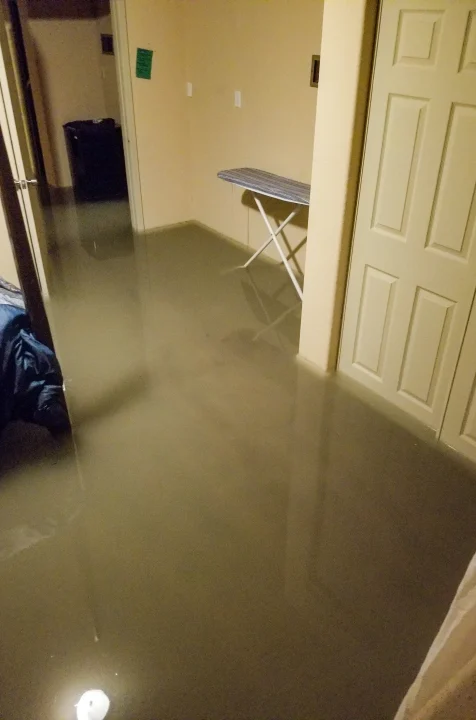
Severe weather can cause unexpected damage to homes and businesses. Strong winds, heavy rainfall, hail, fallen trees, and flooding can affect roofs, siding, windows, and interior spaces. Even when the damage appears minor, water can enter through small openings and create additional problems over time. Storm damage repair helps property owners address these issues, protect their buildings, and restore damaged areas to a safe and functional condition.
Knowing what to do after a storm can make the recovery process easier. From inspecting visible damage to arranging professional repairs, taking the right steps can help prevent further deterioration and support a smoother restoration process.
Common Types of Storm Damage
Storms can affect different parts of a property depending on their severity and the condition of the building. Identifying the type of damage is an important first step toward choosing the right repair approach.
Roof Damage
Roofs are exposed to wind, rain, hail, and flying debris during severe weather. Strong winds may loosen shingles, damage flashing, or remove sections of roofing material. Falling branches can also create holes or structural damage that allow water to enter the building.
Roof damage is not always easy to identify from the ground. Missing shingles, damaged gutters, ceiling stains, and leaks in the attic may indicate a problem. A qualified roofing professional can inspect the affected areas and determine whether localized repairs or more extensive work are necessary.
Water Damage Inside the Property
Heavy rainfall and roof leaks can allow water to enter walls, ceilings, floors, and insulation. Flooding may also affect basements, storage areas, and ground-level rooms.
Water damage should be addressed promptly because wet building materials may deteriorate if moisture remains trapped inside them. Depending on the situation, repairs may involve water removal, structural drying, cleaning, and replacing materials that cannot be safely restored.
Siding and Window Damage
Strong winds and flying debris can crack siding, loosen exterior panels, break windows, and damage doors. These openings can expose the interior to rain and wind, increasing the risk of further damage.
Storm damage repair may include replacing broken glass, repairing exterior panels, sealing appropriate openings, and checking the materials underneath the damaged surfaces. Restoring the building's exterior helps protect interior spaces from additional weather exposure.
Fallen Trees and Structural Damage
Trees and large branches can fall onto roofs, garages, fences, and other structures during storms. Significant impacts may damage roof framing, exterior walls, or supporting components.
Structural damage should be evaluated by qualified professionals before repairs begin. If a building appears unstable, has leaning walls, or shows significant structural cracks, stay away until authorities or qualified professionals confirm it is safe to enter.
Steps to Take After a Storm
Taking practical steps immediately after severe weather can help limit additional damage and make it easier to plan repairs.
Inspect the Property Safely
Once conditions are safe, look for visible signs of damage around the property. Check for broken windows, missing shingles, fallen branches, damaged gutters, water stains, and unusual moisture inside the building.
Avoid climbing onto a damaged roof or entering areas that may have electrical or structural hazards. A professional inspection is the safer option when the damage is difficult to assess from the ground.
Document the Damage
Take photographs and videos of affected areas before cleaning up or removing damaged belongings, provided it is safe to do so. Record visible damage to walls, floors, roofing, windows, furniture, and personal property.
Keep receipts for emergency expenses and temporary repairs. This documentation can help when discussing the damage with your insurance provider. Coverage depends on the policy and the cause of the loss, so review the relevant terms before assuming a particular repair will be covered.
Prevent Further Damage
If it is safe, take reasonable steps to protect the property from additional exposure. This may include arranging temporary roof protection, securing a broken window, or addressing an active plumbing leak.
Avoid making dangerous repairs yourself. Never approach downed power lines, and do not enter standing water when electrical hazards or contamination may be present. Temporary protection should be handled by qualified professionals when conditions are unsafe.
The Storm Damage Repair Process
A structured repair process helps ensure that visible problems and underlying issues are considered before the project is completed.
Inspection and Assessment
A professional inspection helps identify damaged materials, possible water intrusion, and areas that may need further evaluation. The inspection also helps determine which repairs should be prioritized.
For example, an active roof leak should generally be addressed before cosmetic work such as painting or replacing interior trim. Controlling the source of water helps protect newly repaired surfaces.
Cleanup and Water Removal
Storms can leave behind mud, debris, broken materials, and standing water. Cleanup methods depend on the type of damage and whether the water may be contaminated.
When water has entered the building, affected areas may require extraction, drying, and moisture monitoring. The U.S. Environmental Protection Agency provides guidance for cleaning flooded homes, including precautions related to electrical hazards, mold, and contaminated materials.
Repairing Damaged Materials
After the affected areas have been assessed and made safe, repair work can begin. Depending on the property, this may include replacing shingles, repairing siding, installing windows, restoring drywall, or replacing damaged flooring.
If moisture has affected insulation or other concealed materials, additional work may be needed. Addressing these problems before finishing repairs helps reduce the risk of recurring damage.
Final Inspection and Restoration
Before the project is considered complete, the repaired areas should be checked for remaining problems. Roofs, exterior walls, windows, and other repaired components should be evaluated to confirm that the work addresses the identified damage.
Interior repairs may include painting, replacing trim, and restoring damaged rooms. Any necessary permits or inspections should be handled according to local requirements.
Choosing a Storm Damage Repair Contractor
Selecting the right contractor is an important part of property recovery. Look for relevant experience, appropriate licensing where required, clear communication, and a written estimate that explains the proposed work.
Ask which repairs are included, whether additional damage could be discovered during the project, and how the contractor will protect unaffected areas. Comparing estimates can help you understand differences in materials, labor, and repair methods.
Be cautious of contractors who pressure you into signing immediately or promise that your insurance company will cover every expense. The insurer determines coverage under the policy, and the property owner should understand the repair agreement before authorizing work.
How to Reduce Future Storm Damage
Although severe weather cannot always be prevented, regular maintenance can help reduce some risks. Inspect roofing materials periodically, keep gutters and drainage paths clear, repair damaged siding, and check window seals for signs of deterioration.
Trim trees that pose a risk to buildings and secure outdoor items that could become airborne during strong winds. After repairs are completed, address any remaining drainage or moisture problems that could make the property vulnerable during future storms.
Conclusion
Storm damage repair helps restore homes and businesses after wind, hail, heavy rain, fallen trees, and other severe weather events. From roof and siding repairs to water removal and interior restoration, the right approach begins with a safe inspection and a clear understanding of the damage.
By documenting the affected areas, preventing additional exposure, and working with qualified professionals, property owners can make informed repair decisions. Timely maintenance and proper repairs can also help protect the building against future weather-related problems.

 Bangla