


Which Skincare Products Are Best for Healthy, Glowing Skin?
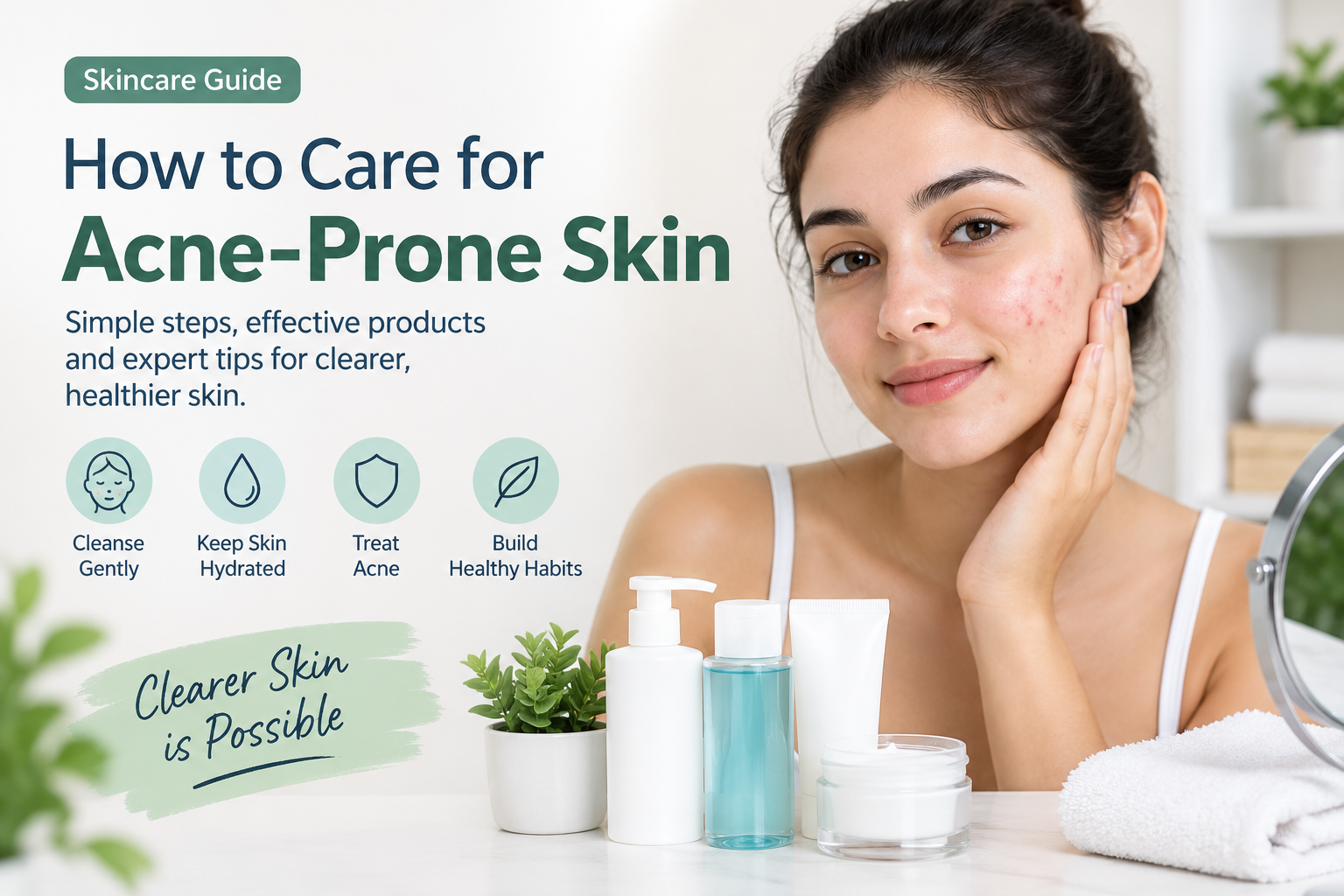
Healthy, glowing skin starts with the right skincare products and a routine that suits your skin type. Whether you have dry skin, oily skin, acne, or uneven skin tone, choosing gentle cleansers, moisturisers, and sunscreen can help you maintain a fresh and healthy-looking complexion. If you are researching tretinoin online UK options or learning about isotretinoin capsules for acne, it is important to understand how these treatments work and why professional medical advice matters.
You do not need an expensive skincare collection to achieve healthier-looking skin. A few well-chosen products, used consistently, can help protect your skin barrier, maintain hydration, and reduce common skin concerns. This guide explains which skincare products are worth considering and how to build a simple routine for healthy, glowing skin in the United Kingdom.
1. Gentle Facial Cleanser
A facial cleanser removes dirt, excess oil, sweat, sunscreen, and makeup without leaving your skin feeling uncomfortable. Choosing the right cleanser helps keep your skin clean while supporting its natural protective barrier.
Which cleanser should you choose?
- Dry or sensitive skin: Choose a fragrance-free, hydrating cleanser.
- Oily skin: Try a gentle gel cleanser that removes excess oil without stripping the skin.
- Acne-prone skin: Consider a cleanser containing salicylic acid if your skin tolerates it.
- Combination skin: Use a mild cleanser that cleans oily areas without drying your cheeks.
Wash your face with lukewarm water in the morning and evening. Avoid harsh scrubs and frequent washing, as these can irritate your skin and make dryness worse.
2. Hydrating Moisturiser
A moisturiser is one of the most important skincare products for maintaining healthy skin. It helps reduce water loss, supports the skin barrier, and leaves your complexion feeling softer and smoother.
Look for ingredients that suit your skin's needs:
- Hyaluronic acid: Helps attract and retain moisture.
- Ceramides: Help support the skin's protective barrier.
- Glycerin: Draws moisture into the outer layers of the skin.
- Niacinamide: Can support the skin barrier and improve the appearance of uneven skin tone.
Choose a lightweight, non-comedogenic moisturiser if you have oily or acne-prone skin. For dry skin, a richer cream may provide more lasting comfort.
Apply moisturiser after cleansing, while your skin is slightly damp. Use it in the morning and evening, even if your skin produces excess oil.
3. Broad-Spectrum Sunscreen
Sunscreen is essential if you want to maintain healthy, glowing skin. Ultraviolet (UV) exposure contributes to premature skin ageing, uneven pigmentation, and an increased risk of skin cancer.
Choose a broad-spectrum sunscreen with at least SPF 30. In the UK, look for a product that also offers strong UVA protection, indicated by a high UVA star rating or the UVA circle symbol.
How to use sunscreen effectively:
- Apply it every morning to exposed skin.
- Use enough to cover your face, neck, and ears.
- Reapply regularly when outdoors, especially after swimming, sweating, or wiping your skin.
- Remember that UV exposure can occur on cloudy days.
If you use exfoliating acids or retinoids, sunscreen becomes particularly important because some treatments can increase skin irritation or sensitivity to sunlight.
4. Vitamin C Serum for Brighter-Looking Skin
Vitamin C is an antioxidant commonly used in morning skincare routines. It can help protect the skin from oxidative stress and improve the appearance of uneven skin tone and dark spots over time.
When choosing a vitamin C serum, look for a product that clearly lists its ingredients and suits your skin's sensitivity. Start with a lower concentration if you are new to vitamin C.
Apply a small amount after cleansing and before moisturising. Follow with sunscreen during the day.
Vitamin C does not produce instant results. Consistent use over several weeks may help improve the appearance of your complexion. If a serum causes persistent stinging, redness, or itching, stop using it.
5. Niacinamide for Oil Control and Skin Texture
Niacinamide, also known as vitamin B3, is a useful ingredient for several common skin concerns. It can help support the skin barrier, reduce the appearance of excess oil, and improve the look of uneven skin tone.
It is available in serums, moisturisers, and other skincare products.
Niacinamide may suit people with oily, combination, or sensitive skin, although individual results vary. You do not necessarily need a high-strength serum; a well-formulated product with a modest concentration may be sufficient.
Introduce one new product at a time to check how your skin responds.
6. Retinol and Tretinoin for Acne and Skin Texture
Retinoids are ingredients related to vitamin A. Depending on the product, they can help manage acne, improve skin texture, and reduce the appearance of certain signs of photoageing.
Retinol is available in many cosmetic skincare products. Tretinoin is a stronger prescription retinoid used for specific skin conditions, including acne.
People searching for tretinoin online UK should check that any treatment comes from a legitimate, regulated source and is prescribed or supplied in accordance with UK requirements. Tretinoin can cause dryness, peeling, redness, and irritation, particularly when someone first starts using it.
If a healthcare professional recommends tretinoin, follow their instructions carefully. They may advise starting gradually, using a moisturiser, and avoiding other irritating products while your skin adjusts.
Important: Do not start tretinoin simply because you want faster results. It may not suit everyone, particularly people with very sensitive or eczema-prone skin. Topical tretinoin should generally be avoided during pregnancy or when planning pregnancy; seek advice from your healthcare professional.
7. Isotretinoin Capsules for Severe Acne
Isotretinoin capsules are a prescription medicine used to treat severe acne, particularly when other treatments have not worked or acne risks causing lasting scars.
Unlike everyday skincare products, isotretinoin is a systemic medicine that requires specialist assessment and monitoring. It reduces oil production and can significantly improve severe acne in suitable patients.
People researching isotretinoin capsules should understand the potential risks before considering treatment. Common side effects include dry lips, dry skin, dry eyes, and increased skin sensitivity. More serious adverse effects can also occur.
In the UK, isotretinoin treatment is subject to strict prescribing and safety requirements. It can cause severe birth defects, so pregnancy-prevention measures and appropriate monitoring are essential for anyone who could become pregnant. Do not use isotretinoin during pregnancy or while trying to conceive.
If you have persistent, painful, or scarring acne, speak to your GP or a dermatologist about suitable treatment options. Do not take isotretinoin without specialist supervision.
8. Exfoliating Products for Smoother Skin
Exfoliating ingredients help remove dead skin cells from the skin's surface and can improve the appearance of rough texture or clogged pores.
Common options include:
- Salicylic acid: Can help unclog pores and manage blackheads.
- Glycolic acid: Helps exfoliate the skin's surface and improve the appearance of uneven texture.
- Lactic acid: Offers exfoliation and may also help with hydration.
Start with one exfoliating product and use it according to the product instructions. Over-exfoliation can damage the skin barrier and cause redness, dryness, and breakouts.
Avoid introducing exfoliating acids at the same time as prescription retinoids unless your healthcare professional advises you to do so.
9. How to Build a Simple Skincare Routine
You can create an effective routine without using every skincare ingredient available.
Morning routine
- Cleanse with a gentle facial cleanser.
- Apply an optional serum, such as vitamin C or niacinamide.
- Use a moisturiser suited to your skin type.
- Finish with broad-spectrum SPF 30 or higher sunscreen.
Evening routine
- Remove makeup and sunscreen, then cleanse your face.
- Apply any treatment recommended for your skin concerns.
- Use a moisturiser to help maintain hydration.
If you use prescription acne treatments, follow your prescriber's instructions rather than adding several active ingredients at once.
10. How to Choose Skincare Products for Your Skin Type
Your skin type should guide your product choices. A product that works well for one person may cause irritation or feel too heavy on another.
|
Skin type |
Products to consider |
|
Dry skin |
Cream cleanser, ceramide moisturiser, hydrating serum |
|
Oily skin |
Gentle gel cleanser, lightweight moisturiser, non-comedogenic sunscreen |
|
Sensitive skin |
Fragrance-free cleanser, simple moisturiser, gentle sunscreen |
|
Acne-prone skin |
Mild cleanser, non-comedogenic moisturiser, suitable acne treatment |
|
Combination skin |
Gentle cleanser, balanced moisturiser, broad-spectrum sunscreen |
Check ingredient lists and introduce new products gradually. Patch testing can help identify some reactions, although it cannot guarantee that a product will never cause irritation.
Frequently Asked Questions
Which skincare products are essential for healthy, glowing skin?
A gentle cleanser, moisturiser, and broad-spectrum sunscreen form the foundation of most skincare routines. You can add targeted products, such as vitamin C or niacinamide, depending on your skin concerns.
Can I use tretinoin for glowing skin?
Tretinoin may help improve acne and skin texture when prescribed for an appropriate condition. However, it can cause dryness and irritation, so it is not suitable for everyone. Consult a qualified healthcare professional before using it.
Are isotretinoin capsules suitable for mild acne?
Isotretinoin is generally reserved for severe acne or specific cases where other treatments have not worked. A dermatologist must assess whether its benefits outweigh the risks for you.
How long does it take to see skincare results?
Hydration may improve within days, while changes in acne, pigmentation, or skin texture can take several weeks or longer. Results depend on the product, your skin concerns, and how consistently you use it.
Do I need expensive skincare products?
No. Affordable products can work well when they contain suitable ingredients and you use them consistently. Focus on your skin's needs rather than buying

 Bangla