


Breast Surgery in Dubai for Thin Breast Tissue
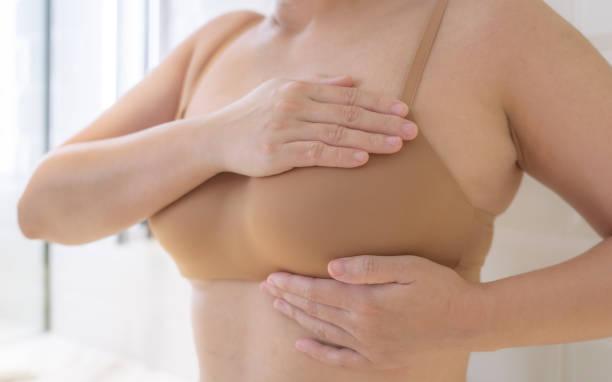
Breast Surgery in Dubai may require additional planning for patients who have naturally thin breast tissue or limited soft-tissue coverage. These characteristics can influence the choice of procedure, implant dimensions, placement, and the appearance of the breast after healing.
Naturally thin tissue does not automatically prevent someone from undergoing breast surgery. However, it can affect which options are appropriate and how the possible benefits and limitations should be explained before treatment.
A consultation at Tajmeels Clinic can help patients understand their anatomy, discuss their aesthetic priorities, and explore options based on an individualized clinical assessment.
How Thin Breast Tissue Influences Breast Surgery in Dubai
Breast tissue includes glandular tissue, fatty tissue, connective structures, and skin. The amount and distribution of these tissues vary from person to person.
When the natural tissue layer is relatively thin, there may be less coverage over an implant or less tissue available for reshaping. This can affect how clearly the underlying implant contours may be visible or palpable.
The assessment may consider:
-
The thickness of the tissue over different parts of the breast.
-
The width and shape of the breast base.
-
Skin elasticity and existing stretch marks.
-
The amount of natural breast volume.
-
Differences between the left and right breasts.
-
The patient's desired change in breast size and contour.
These factors are considered together rather than used as isolated measurements to decide whether surgery is suitable.
Breast Augmentation Options for Limited Tissue Coverage
For patients considering breast augmentation, implant selection requires careful attention to both volume and dimensions. A particular implant volume can produce different appearances depending on the patient's chest width and existing tissue.
Implant dimensions and breast anatomy
Implants differ in width, projection, and shape. The surgeon evaluates these characteristics against the patient's anatomy to determine which options may be appropriate.
Choosing an implant that is too wide for the available breast base may create an unsuitable contour. Selecting a larger volume than the tissue can comfortably accommodate may also increase tension on the surrounding structures.
Implant placement and tissue coverage
Implant placement can influence how much natural tissue covers the implant. Depending on the patient's anatomy and the planned operation, the surgeon may discuss placement above or beneath the pectoral muscle, or a technique involving different coverage across the implant.
Each approach has potential advantages and limitations. Muscle coverage may reduce implant visibility in some areas, but it can also introduce considerations such as animation deformity, where the implant or breast contour changes with muscle contraction.
The appropriate approach depends on the examination, goals, and the surgeon's clinical judgment.
Can Fat Transfer Be Considered for Thin Breast Tissue
In selected cases, fat transfer may be discussed as an alternative or complementary technique. It involves collecting fat from another area of the body, processing it, and injecting it into the breast.
Fat transfer may provide a modest increase in volume or improve selected contour areas. It is not suitable for every patient and cannot reliably create the same volume increase as an implant in all circumstances.
Patients should understand that some transferred fat may not survive, and additional procedures may sometimes be needed. Adequate donor fat, overall health, and the intended outcome all influence suitability.
Preparing for a Consultation
If you have thin breast tissue, the following questions can help you understand the treatment plan:
-
How does my existing tissue thickness influence the available procedures?
-
Which implant dimensions, if any, are compatible with my anatomy?
-
What are the potential benefits and limitations of different implant placements?
-
Could fat transfer be relevant to my goals?
-
What complications or visible contour changes should I understand before deciding?
-
How might weight changes or ageing affect the result over time?
Bring a list of your priorities and explain whether your main concern is volume, upper-breast fullness, asymmetry, or another feature. This helps keep the discussion focused on the changes that matter most to you.
Understanding Risks and Realistic Outcomes
Thin tissue coverage can increase the likelihood that implant edges or surface irregularities may be noticeable in some patients. Other risks associated with breast surgery include infection, bleeding, scarring, changes in sensation, implant malposition, capsular contracture, and the possible need for further surgery.
No technique can eliminate all risks or guarantee a specific appearance. The decision should be based on an informed discussion of potential outcomes, alternatives, and recovery requirements.
Frequently Asked Questions
Does thin breast tissue mean I cannot have breast implants?
Not necessarily. Suitability depends on your anatomy, health, tissue coverage, and goals. A surgeon needs to assess these factors before recommending an approach.
Can implants look more visible when natural tissue is thin?
Yes. Limited tissue coverage can make implant edges or contours more noticeable, although the degree varies. Implant selection and placement may influence this risk.
Is fat transfer better than implants for thin breast tissue?
Neither option is universally better. Fat transfer may suit selected patients seeking a modest change, while implants can provide a more substantial and predictable increase in volume. The appropriate option depends on individual circumstances.
Can exercise increase breast tissue thickness?
Exercise can strengthen the underlying chest muscles, but it does not directly increase glandular breast tissue. Changes in body fat can affect breast volume, but deliberately gaining weight is not a reliable way to achieve a specific surgical outcome.
Discuss Your Options at Tajmeels Clinic
Understanding tissue thickness before surgery can help establish realistic expectations and guide a more appropriate treatment discussion. An individualized assessment is particularly important when natural coverage is limited.
Contact Tajmeels Clinic to enquire about a personalized consultation for Breast Surgery in Dubai. Call +971 4 373 9000 or email [email protected] to discuss your goals and questions.
Medical disclaimer: This article is for educational purposes only. It does not replace a clinical examination or individualized advice from a qualified medical professional.

 Bangla