


How Equipment Rental Is Reshaping Southeast Asia Construction
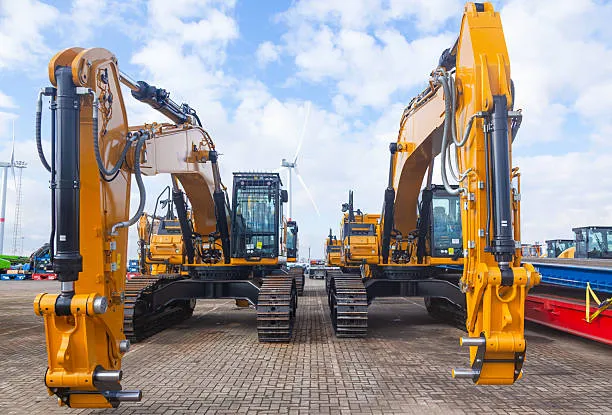
Construction activity across Southeast Asia is evolving as governments, developers, and contractors pursue faster project execution while managing operational costs. Infrastructure modernization, urban expansion, and industrial development continue to encourage companies to adopt flexible equipment sourcing strategies instead of relying solely on owned machinery. This shift is helping businesses remain agile while responding to changing project requirements.
The Southeast Asia Construction Equipment Rental Market reflects this transformation by enabling contractors to access a wide range of machinery without making significant capital investments. Businesses increasingly rely on construction machinery rental solutions to improve equipment utilization, support project efficiency, and adapt to varying workloads across residential, commercial, and infrastructure developments.
Rental providers are expanding their equipment portfolios while introducing value-added services such as maintenance, fleet monitoring, operator assistance, and flexible leasing models. These offerings allow contractors to focus on project execution while reducing equipment management responsibilities and minimizing downtime throughout construction activities.
Infrastructure Development Continues to Drive Equipment Demand
Large-scale investments in transportation networks, smart cities, industrial parks, ports, airports, and public utilities continue to stimulate demand for modern construction machinery across Southeast Asia. Governments are prioritizing infrastructure improvements to support economic development and improve regional connectivity.
Rather than purchasing equipment for individual projects, many contractors prefer rental arrangements that provide flexibility as project timelines and equipment requirements change. This approach also enables companies to access specialized machinery only when needed, improving resource allocation and operational efficiency. Industry observations indicate that flexible equipment access has become an increasingly important component of modern construction project management.
Technology Is Transforming Rental Operations
Digital technologies are reshaping the equipment rental industry through connected fleets, telematics, predictive maintenance, and cloud-based fleet management platforms. These innovations help rental companies monitor equipment performance, schedule maintenance proactively, and improve asset utilization.
Many rental businesses are also adopting digital booking platforms that simplify equipment selection, availability checks, documentation, and contract management. Contractors benefit from improved visibility into fleet availability while rental providers enhance customer experience through faster and more transparent service delivery.
Flexible Business Models Support Contractors of All Sizes
Construction projects often involve changing schedules, seasonal demand, and varying equipment requirements. Rental services provide contractors with the flexibility to scale their equipment needs according to project complexity without maintaining large owned fleets.
Small and medium-sized construction firms particularly benefit from rental models because they can access advanced machinery without committing substantial financial resources to equipment ownership. Larger contractors also use rental fleets to supplement existing assets during peak construction periods or for highly specialized applications.
Sustainability Is Influencing Fleet Modernization
Environmental considerations are encouraging rental providers to modernize their fleets with newer equipment designed to improve fuel efficiency and reduce emissions. Many contractors increasingly prefer modern machinery that supports compliance with evolving environmental standards while improving overall project productivity.
Fleet modernization also allows rental companies to deliver reliable equipment with enhanced safety features and improved operating performance. As sustainability becomes a greater priority across the construction sector, equipment rental providers are expected to play an important role in facilitating access to more efficient technologies.
Regional Diversity Creates New Market Opportunities
Southeast Asia consists of diverse economies with varying levels of infrastructure development, urbanization, and industrial growth. These differences create opportunities for rental companies to customize equipment offerings according to local project requirements and construction practices.
Growing investments in residential developments, logistics facilities, renewable energy projects, manufacturing plants, and public infrastructure continue to expand the range of equipment required across the region. Rental providers that maintain diverse fleets and responsive service networks are well positioned to support these evolving construction needs.
Future Outlook
The construction equipment rental landscape is expected to remain closely aligned with infrastructure development, digital transformation, and changing contractor preferences throughout Southeast Asia. Continued investment in fleet modernization, technology integration, and customer-focused services is likely to strengthen the role of rental solutions in supporting efficient project execution.
As construction activity becomes increasingly dynamic, equipment rental will continue to offer businesses greater operational flexibility while enabling access to modern machinery without the long-term responsibilities associated with ownership. This evolving approach is expected to remain an important element of construction project planning across the region.

 Bangla