


How Long Does a Blood Sugar Test Take?
If you have a blood sugar test scheduled, you may be wondering how much time you need to set aside, whether you must fast beforehand, and how quickly you will receive your results. The good news is that most Blood Sugar Test Dubai are relatively quick. A simple finger-prick glucose test can provide a reading within seconds, while a laboratory blood test usually takes only a few minutes for sample collection. However, the time needed to receive the final report depends on the type of test and the laboratory.
Understanding the process can help you prepare for your appointment, avoid unnecessary delays, and know what to expect afterward. Whether you are checking for diabetes, monitoring an existing condition, or attending a routine health screening, this guide explains how long different blood sugar tests take and what can affect the timeline.
Quick Answer: How Much Time Does a Blood Sugar Test Take?
The total time depends on whether you are having a finger-prick test, a laboratory blood glucose test, or a test that requires several hours of observation.
| Type of blood sugar test | Approximate time |
|---|---|
| Finger-prick blood glucose test | A few seconds for the reading |
| Laboratory blood glucose sample collection | Usually a few minutes |
| HbA1c blood test | A few minutes for collection |
| Oral glucose tolerance test | Usually around 2 hours or longer, depending on the protocol |
| Receiving laboratory results | From the same day to several days, depending on the facility and test |
These are general estimates, not guaranteed appointment or reporting times. Waiting, registration, sample processing, and additional testing can extend the total time.
It is also important to distinguish the time required to perform a test from the time required to receive the results. These are two separate parts of the process.
Finger-Prick Blood Sugar Test: Results in Seconds
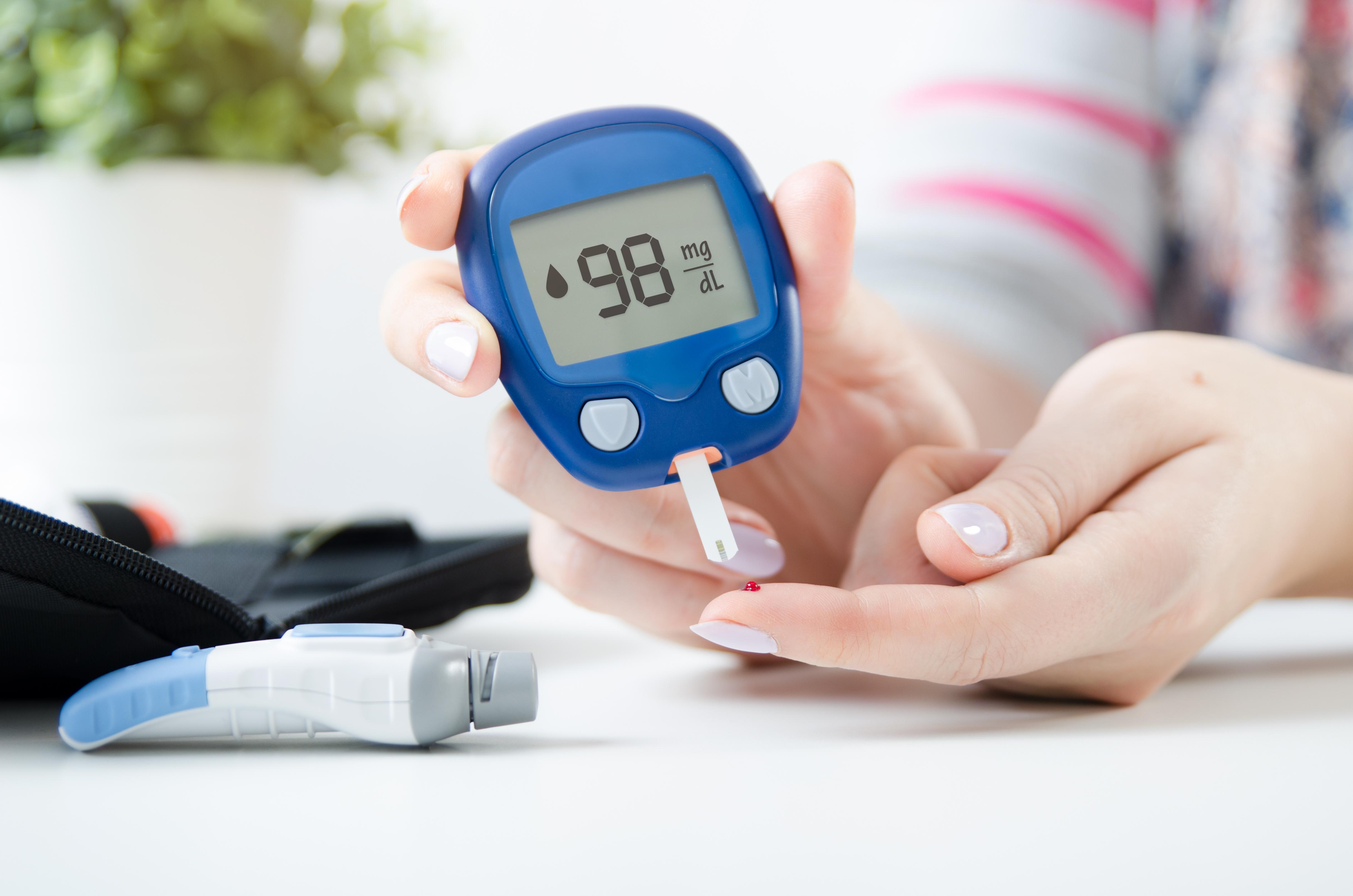
A finger-prick blood sugar test is one of the fastest ways to measure current glucose levels. It is commonly used by people with diabetes to monitor their blood sugar at home and by healthcare professionals who need a quick reading.
How does the procedure work?
The process is straightforward:
-
Wash and dry your hands thoroughly.
-
Use a lancet to obtain a small drop of blood from your fingertip.
-
Apply the blood to a compatible glucose meter strip.
-
Wait for the meter to display the glucose reading.
Most compatible glucose meters provide a result within seconds. The complete process, including handwashing and preparing the equipment, may take a few minutes.
When is a finger-prick test useful?
A capillary blood glucose test can help you understand how meals, exercise, medication, and illness affect your blood sugar. It may also be useful when checking suspected low blood sugar or following a diabetes monitoring plan.
However, a home glucose meter is not generally a substitute for laboratory testing when establishing a new diagnosis of diabetes. If your reading is unexpectedly high or low, follow your care plan and seek medical advice when appropriate.
Laboratory Blood Sugar Test: How Long Does Blood Collection Take?
A laboratory blood glucose test usually involves collecting a sample from a vein in your arm. The actual blood draw typically takes only a few minutes, although registration and waiting may increase the total appointment time.
During the procedure, a trained healthcare professional cleans the collection site, inserts a small needle into a vein, and draws blood into a collection tube. The sample is then sent for analysis.
The laboratory measures the glucose concentration and reports the result in units such as milligrams per deciliter (mg/dL) or millimoles per liter (mmol/L).
How long until the laboratory result is ready?
The reporting time varies. Some facilities can provide results on the same day, while others may take longer because of their processing schedule, workload, or the need for additional testing.
If you need the result for a medical appointment, ask the laboratory when the report is expected. Do not assume that a quick blood draw means the final report will be available immediately.
HbA1c Test: Is It as Quick as a Regular Blood Sugar Test?
The HbA1c test, also known as the glycated hemoglobin test, measures the percentage of hemoglobin in red blood cells that has glucose attached to it. It provides an estimate of average blood glucose over approximately the previous two to three months.
The blood collection itself usually takes only a few minutes, much like a standard laboratory blood test. The time needed for the report depends on the laboratory.
One major advantage is that an HbA1c test generally does not require fasting. You can usually eat and drink normally beforehand unless other tests at the same appointment require different preparation.
Why might a doctor order HbA1c instead?
A standard blood glucose test measures your glucose level at a particular moment. HbA1c offers a longer-term view of glucose exposure.
Healthcare professionals may use HbA1c to screen for diabetes, help diagnose the condition, or monitor longer-term blood sugar management. Certain medical conditions, including some forms of anemia and recent blood loss or transfusion, can affect its reliability.
Oral Glucose Tolerance Test: Why Does It Take Longer?
If you are scheduled for an oral glucose tolerance test (OGTT), plan for a longer appointment. This test assesses how your body processes glucose after you drink a measured glucose solution.
The procedure commonly takes around two hours, although some protocols require additional time. Pregnancy-related testing may follow a different schedule, depending on the specific screening method.
What happens during the test?
The process usually includes the following stages:
Before testing: You follow the laboratory's instructions, which commonly include fasting overnight.
Initial blood sample: A baseline glucose measurement is taken before you drink the glucose solution.
Glucose drink: You consume the prescribed drink containing a measured amount of glucose.
Waiting period: You remain at the testing facility while your body processes the glucose. The laboratory may ask you to sit quietly and avoid eating, smoking, or exercising.
Follow-up sample: Another blood sample is collected at the specified time. Some protocols involve more than one follow-up sample.
The OGTT takes longer because it measures how glucose changes over time rather than assessing only one blood sample.
Does Fasting Make a Blood Sugar Test Take Longer?
Fasting usually does not increase the time required to collect or analyze a blood sample, but it can affect how you plan your appointment.
For a fasting plasma glucose test, you will generally need to avoid food and caloric drinks for at least eight hours. Plain water is usually permitted. Many people schedule the test in the morning so they can complete most of the fasting period overnight.
By contrast, random blood glucose testing can usually be performed at any time without fasting. HbA1c testing also generally does not require fasting.
| Test | Fasting required? | How this affects planning |
|---|---|---|
| Fasting blood glucose | Usually yes, for at least 8 hours | Plan the appointment around the fasting period |
| Random blood glucose | No | Usually more flexible |
| HbA1c | Usually no | Can generally be scheduled at a convenient time |
| Oral glucose tolerance test | Usually yes | Allow time for the full testing procedure |
If you use insulin or medication that can cause low blood sugar, speak with your healthcare professional before fasting. Do not change your medication schedule without medical guidance.
What Can Delay Your Blood Sugar Test Results?
Although most glucose tests are quick to perform, several factors can influence when you receive the final report.
Laboratory workload: Busy facilities may take longer to process samples and release results.
Test type: A routine glucose measurement may be processed differently from a test requiring multiple samples or additional analysis.
Appointment delays: Registration, waiting times, and blood collection queues can increase your time at the facility.
Additional testing: If a result needs clarification, your healthcare professional may recommend repeat testing or another diagnostic test.
Technical issues: Occasionally, a sample may need to be recollected if it is unsuitable for analysis.
If your results are taking longer than expected, contact the laboratory or healthcare provider. A delay alone does not mean that the result is abnormal.
How to Make Your Blood Sugar Test Appointment Easier
A few simple steps can help you avoid unnecessary delays and prepare correctly.
-
Confirm the test type: Find out whether you are having a fasting glucose test, random glucose test, HbA1c, or OGTT.
-
Follow preparation instructions: Fast only when required and for the recommended period.
-
Ask about medication: Some medicines affect glucose levels, while others may create risks if taken without food.
-
Arrive on time: Allow extra time for registration and waiting.
-
Bring relevant information: Have your medication list and any requested laboratory documents available.
-
Ask about reporting times: Confirm whether results are usually available on the same day or later.
Avoid changing your diet, exercising excessively, or taking unprescribed products to influence your reading. The aim is to obtain a meaningful measurement of your health.
How Long Should You Wait for a Doctor to Explain the Results?
Once your result is available, the time needed to interpret it depends on your appointment and medical circumstances. Some results are straightforward, while others require comparison with previous measurements or additional testing.
For nonpregnant adults, common fasting plasma glucose ranges are:
| Fasting blood glucose | General interpretation |
|---|---|
| 99 mg/dL or below | Normal range |
| 100–125 mg/dL | Prediabetes range |
| 126 mg/dL or above | Diabetes range |
A fasting plasma glucose result of 126 mg/dL or higher generally requires confirmation unless there is clear clinical evidence of diabetes.
For a random plasma glucose test, a result of 200 mg/dL or higher can meet the diagnostic criteria for diabetes when classic symptoms or a hyperglycemic crisis are present. Without clear symptoms, confirmation is generally needed.
These thresholds apply to specific diagnostic circumstances and should not be used to interpret every home glucose reading in the same way. Your healthcare professional will consider symptoms, medications, test preparation, and medical history before recommending next steps.
If you experience very high blood sugar with vomiting, confusion, severe dehydration, or rapid or difficult breathing, seek urgent medical attention rather than waiting for a routine results appointment.
Frequently Asked Questions:
Can a blood sugar test be completed in five minutes?
A finger-prick glucose test may take only a few minutes from preparation to reading. A laboratory blood draw may also be brief, but registration, waiting, and result processing can extend the total time.
Do blood sugar test results come immediately?
Home glucose meters generally provide readings within seconds. Laboratory results may be available the same day or later, depending on the facility and test.
How long does a fasting blood sugar test take from start to finish?
The blood collection itself usually takes a few minutes. However, you must complete the required fasting period beforehand, typically at least eight hours.
Is an HbA1c test faster than an oral glucose tolerance test?
The blood collection for HbA1c is usually brief, whereas an oral glucose tolerance test commonly requires around two hours or longer because it involves timed measurements after a glucose drink.
Should I eat immediately after a fasting blood sugar test?
You can usually eat after the sample has been collected unless you have received different instructions. If you take diabetes medication, follow your healthcare professional's advice about meals and medication timing.
Conclusion:
So, how long does a blood sugar test take? A finger-prick glucose reading is usually available within seconds, and laboratory blood collection typically takes only a few minutes. HbA1c testing also involves a brief blood draw, while an oral glucose tolerance Lab tests commonly takes around two hours or longer.
The total time depends on the type of test, preparation requirements, laboratory workload, and result-processing schedule. Before your appointment, confirm whether fasting is necessary and ask when you can expect your report.
Understanding the process helps you plan your visit, prepare safely, and follow up on your results. If a reading is abnormal or you have symptoms of diabetes, discuss the findings with a qualified healthcare professional so you can determine whether further testing or treatment is needed.

 Bangla