


Tummy Tuck Surgery for Understanding Changes in Navel Appearance
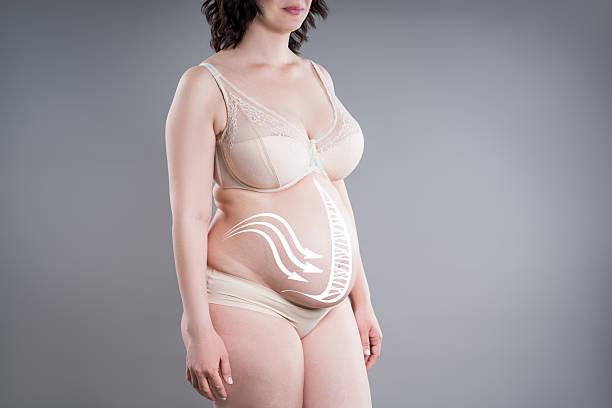
The appearance of the belly button can change after pregnancy, significant weight fluctuations, aging, or stretching of the abdominal skin. For some individuals, these changes may include a stretched navel, loose skin around the belly button, or a shape that looks different from before. Tummy tuck surgery in Riyadh (عملية شد البطن في الرياض) is a body contouring procedure that can remove excess abdominal skin and, when necessary, reposition the belly button to complement the reshaped abdomen. Understanding how the navel may change during surgery, which techniques are available, and what recovery involves helps patients develop realistic expectations before considering treatment.
Why Does the Appearance of the Navel Change?
The belly button, also known as the navel or umbilicus, is influenced by the skin, connective tissue, and abdominal wall beneath it. Pregnancy can stretch the surrounding skin and may cause the navel to become wider, flatter, or more prominent. Significant weight changes can also affect the amount of loose skin around the abdomen, altering the way the belly button sits within the surrounding tissue. Natural aging and individual anatomy may contribute to additional changes. In some cases, a bulge near the navel may be associated with an umbilical hernia, which requires medical assessment rather than cosmetic treatment alone.
How Tummy Tuck Surgery Affects the Navel
A tummy tuck, medically known as abdominoplasty, removes selected excess skin from the abdomen and adjusts the remaining tissue to improve body contours. When a full tummy tuck is performed, the belly button is commonly preserved at its attachment to the abdominal wall while the surrounding skin is repositioned. A new opening is created in the tightened skin so that the navel can be brought through it. This process helps maintain the belly button's connection to the underlying tissues while adapting its visible position to the new abdominal contour. The precise technique depends on the patient's anatomy and the surgeon's plan.
Navel Changes During Different Tummy Tuck Procedures
Full Tummy Tuck
A full tummy tuck usually involves reshaping a larger area of the abdomen. Because the skin is repositioned over a considerable distance, the surgeon generally creates a new opening for the belly button in the repositioned skin. The aim is to achieve a balanced appearance that fits the patient's body proportions. The visible shape depends on skin quality, incision placement, healing, and surgical technique. Patients should discuss their preferred navel appearance during consultation while understanding that an exact result cannot be guaranteed.
Mini Tummy Tuck
A mini tummy tuck generally targets a smaller amount of excess skin below the belly button. Since the skin above the navel is usually not repositioned as extensively, the belly button often remains in its original position and does not require the same type of reconstruction used in a full tummy tuck. However, the suitability of this approach depends on the location of loose skin and the overall abdominal contour. A mini tummy tuck may not address significant skin laxity around or above the navel.
Extended Tummy Tuck
An extended tummy tuck may be considered when excess skin extends from the abdomen toward the flanks. Although the procedure focuses on a broader area, the approach to the belly button depends on the amount of skin removed and how the remaining tissue is repositioned. Patients with substantial skin laxity may need more extensive contouring. The surgeon explains how the navel may be affected as part of the overall surgical plan.
What Influences the Final Navel Shape?
Several factors influence how the belly button looks after surgery. Natural anatomy, skin elasticity, abdominal thickness, the amount of skin removed, and the position of the navel all affect the final appearance. Surgical technique also plays an important role in creating a navel that fits naturally within the surrounding abdominal contour. Individual healing and scar formation can influence the result as well. While surgeons aim for a balanced and natural-looking appearance, differences between the two sides of the abdomen or small variations in navel shape may remain.
The Importance of Discussing Navel Appearance Before Surgery
Patients should explain their concerns about the belly button during the initial consultation. Some may want to address stretched skin around the navel, while others may be concerned about its position or shape after pregnancy or weight loss. The surgeon can assess these concerns and explain which changes are realistic through a tummy tuck. Patients can also ask how the navel will be managed during surgery, where scars may be located, and whether their anatomy creates any specific limitations. Clear communication supports informed decision-making and helps align expectations with the planned procedure.
Recovery and Healing Around the Belly Button
After a tummy tuck, swelling, bruising, tightness, and temporary changes in sensation may occur around the abdomen and navel. The belly button may look swollen or uneven during the early healing period, and its appearance can change as inflammation decreases. Patients should follow their surgeon's wound-care instructions, keep the area clean as directed, and attend scheduled follow-up appointments. They should avoid stretching or putting unnecessary pressure on healing tissue. Increasing redness, worsening pain, unusual drainage, fever, or darkening of the tissue should be reported promptly to a medical professional.
Scarring and Long-Term Navel Appearance
Scarring is an expected part of tummy tuck surgery. Depending on the technique, a scar may form around the belly button as well as along the lower abdomen. Scar appearance varies according to skin type, surgical technique, and individual healing. Scars often change in color and texture over time, although they may not disappear completely. Following postoperative care instructions and avoiding activities that strain healing incisions can support recovery. Significant weight changes, pregnancy, and natural aging may also influence abdominal contours after surgery, so maintaining realistic expectations is important.
Who May Benefit From Navel Reshaping During a Tummy Tuck?
Adults with loose abdominal skin or changes in navel appearance may wish to discuss tummy tuck surgery with a qualified surgeon. The procedure may be suitable for some individuals whose concerns follow pregnancy or substantial weight loss, particularly when excess skin affects the area around the belly button. However, not every navel concern requires a tummy tuck. An umbilical hernia, unexplained pain, or a new bulge should be evaluated medically before considering cosmetic surgery. A thorough assessment helps determine the safest and most appropriate option for each patient.
Consultation at Royal Clinic Saudi
Individuals who want to learn more about abdominal contouring and changes in navel appearance can contact Royal Clinic Saudi (عيادات رويال كلينك) for information about tummy tuck surgery and personalized treatment planning. A consultation provides an opportunity to discuss skin laxity, belly button position, possible scarring, and the differences between full and mini tummy tuck procedures. Patients should ask about the surgeon's qualifications, potential complications, recovery requirements, and expected results. A professional assessment helps determine whether surgery is appropriate for their anatomy and personal goals.
FAQs:
Does tummy tuck surgery change the shape of the belly button?
It can. During a full tummy tuck, the belly button may be brought through a new opening in the repositioned skin, which can affect its visible shape.
Will the belly button always be repositioned during a tummy tuck?
No. A full tummy tuck commonly involves creating a new opening for the navel, while a mini tummy tuck often leaves it in its original position.
Can tummy tuck surgery correct a bulging belly button?
It may improve surrounding loose skin, but a bulge could be caused by an umbilical hernia or another medical condition that requires separate assessment.
How long does the belly button take to heal after a tummy tuck?
Healing varies between individuals. Swelling and scar changes may continue for weeks or months, so patients should follow their surgeon's aftercare instructions.

 Bangla