


How V2V Technology Is Reshaping Safer Roads in India
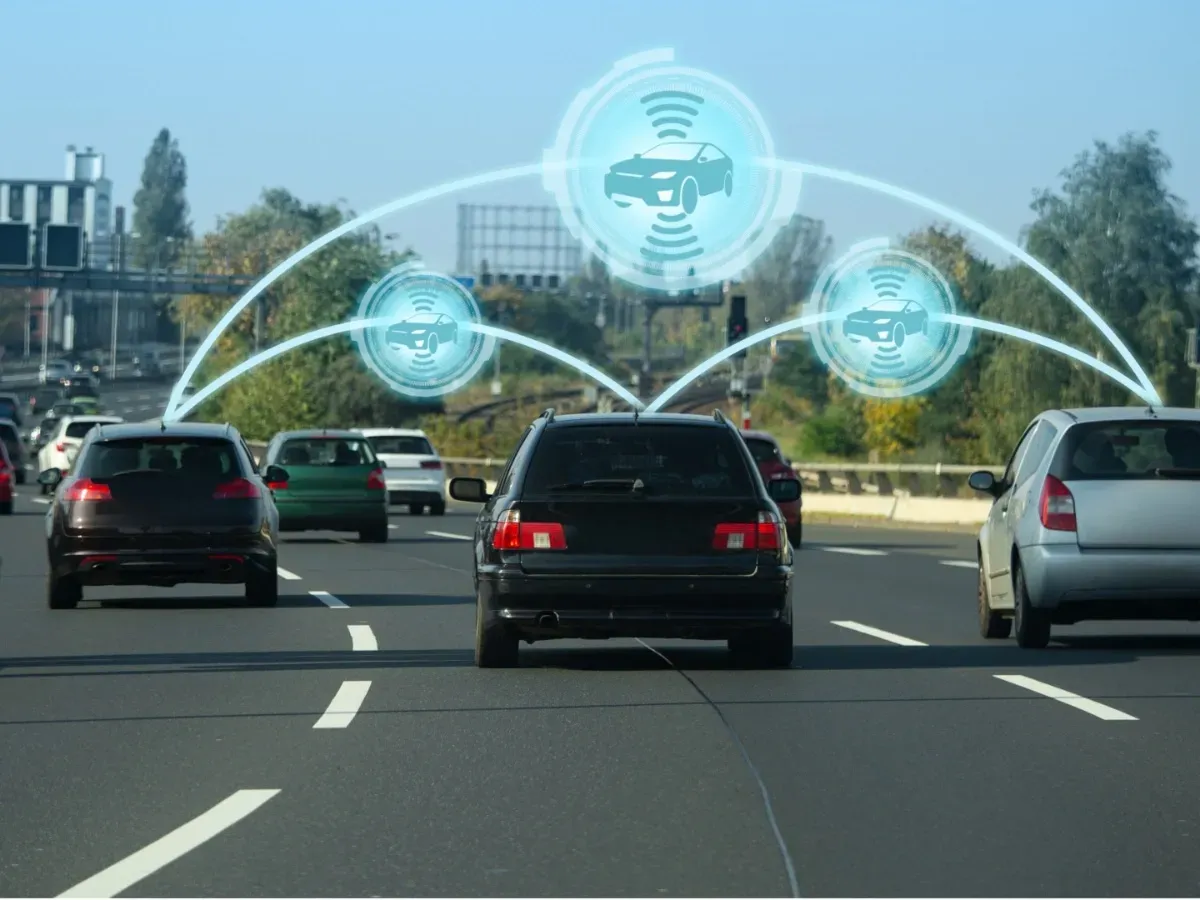
India's transportation ecosystem is undergoing a significant digital transformation as connected vehicle technologies become an integral part of modern mobility. Among these innovations, Vehicle-to-Vehicle (V2V) communication is emerging as a critical technology that enables vehicles to exchange real-time information about speed, direction, braking, and road hazards. By allowing vehicles to "talk" to one another, V2V systems have the potential to reduce collisions, improve traffic flow, and enhance overall road safety.
The growing emphasis on intelligent transportation has encouraged policymakers, automakers, and technology providers to accelerate investments in connected mobility solutions. Recent analysis of connected vehicle technologies in India indicates that the ecosystem is evolving rapidly as regulatory initiatives and automotive innovation increasingly align to support safer transportation. According to the report by Markntel Advisor, the India Vehicle-to-Vehicle Communication Market is projected to grow from USD 0.64 billion in 2025 to USD 1.28 billion by 2032, registering a CAGR of 10.29% during 2026–2032.
Unlike conventional driver assistance systems that rely only on onboard sensors, V2V communication extends a vehicle's awareness beyond its immediate surroundings. This capability enables earlier hazard detection, coordinated traffic movement, and faster response to changing road conditions, making it an important building block for the future of connected and autonomous mobility.
Understanding Vehicle-to-Vehicle Communication
Vehicle-to-Vehicle communication is a wireless technology that enables automobiles to exchange safety-related information directly with nearby vehicles. These messages can include sudden braking events, lane changes, blind-spot warnings, vehicle speed, and road hazard alerts. The objective is to provide drivers or automated driving systems with information that may not yet be visible through cameras or sensors alone.
Because these communications occur almost instantly, V2V technology can improve reaction times and reduce the likelihood of chain collisions, particularly on highways and busy urban roads where traffic conditions change rapidly. Research has consistently highlighted V2V communication as a foundational technology for intelligent transportation systems due to its ability to improve both safety and traffic efficiency.
Why India Is Accelerating Connected Mobility
India experiences one of the world's highest numbers of road accidents each year, creating a strong need for technologies that can proactively prevent crashes rather than simply mitigate their impact. Government initiatives aimed at improving road safety, expanding digital infrastructure, and promoting intelligent transportation systems are creating favorable conditions for wider adoption of connected vehicle technologies.
Supportive regulatory developments, including efforts to standardize V2V deployment and strengthen vehicle safety requirements, are encouraging automotive manufacturers to incorporate advanced connectivity features into future vehicle platforms. These initiatives complement the country's broader vision of creating smarter and safer transportation networks.
Integration with ADAS Is Creating Smarter Vehicles
One of the most important developments in the automotive sector is the growing integration of V2V communication with Advanced Driver Assistance Systems (ADAS). Features such as automatic emergency braking, lane departure warning, adaptive cruise control, and collision avoidance become significantly more effective when they receive real-time information from surrounding vehicles.
Instead of reacting only after onboard sensors detect an obstacle, connected vehicles can receive warnings even before hazards become visible. This predictive capability improves decision-making, enhances driver awareness, and supports safer driving across diverse traffic environments.
Cellular Connectivity Is Driving Wider Adoption
Advancements in 4G and 5G infrastructure are making cellular-based V2V communication increasingly practical across India. Cellular connectivity offers reliable long-range communication, cloud integration, software updates, and scalability that support a wide range of connected mobility applications.
As telecommunications infrastructure continues expanding, vehicle manufacturers are expected to integrate more connected features that extend beyond safety, including navigation optimization, predictive maintenance, infotainment services, and digital payment capabilities.
Challenges That Still Need Attention
Despite its promising outlook, widespread implementation of V2V communication faces several practical challenges. Hardware installation costs, interoperability across different vehicle manufacturers, cybersecurity requirements, and infrastructure readiness remain important considerations for large-scale deployment.
Affordability also plays a significant role in a price-sensitive automotive market like India. Continued collaboration between policymakers, automotive companies, technology providers, and telecom operators will be essential to overcome these barriers while maintaining consistent technical standards.
Looking Ahead
Vehicle-to-Vehicle communication represents far more than another automotive feature—it is becoming a foundational technology for the next generation of intelligent transportation. As connected vehicles become increasingly common, V2V communication is expected to work alongside ADAS, artificial intelligence, and digital infrastructure to create safer, more efficient roads.
With supportive government initiatives, expanding connectivity infrastructure, and continued innovation from automotive manufacturers, India is steadily moving toward a future where connected mobility enhances everyday transportation. As this ecosystem matures, V2V communication will likely play a central role in reducing accidents, improving traffic management, and supporting the country's broader vision for smart mobility.

 Bangla