


Tennis Training Equipment: How to Choose the Right Gear
Tennis Training Equipment: What to Buy for Better Practice
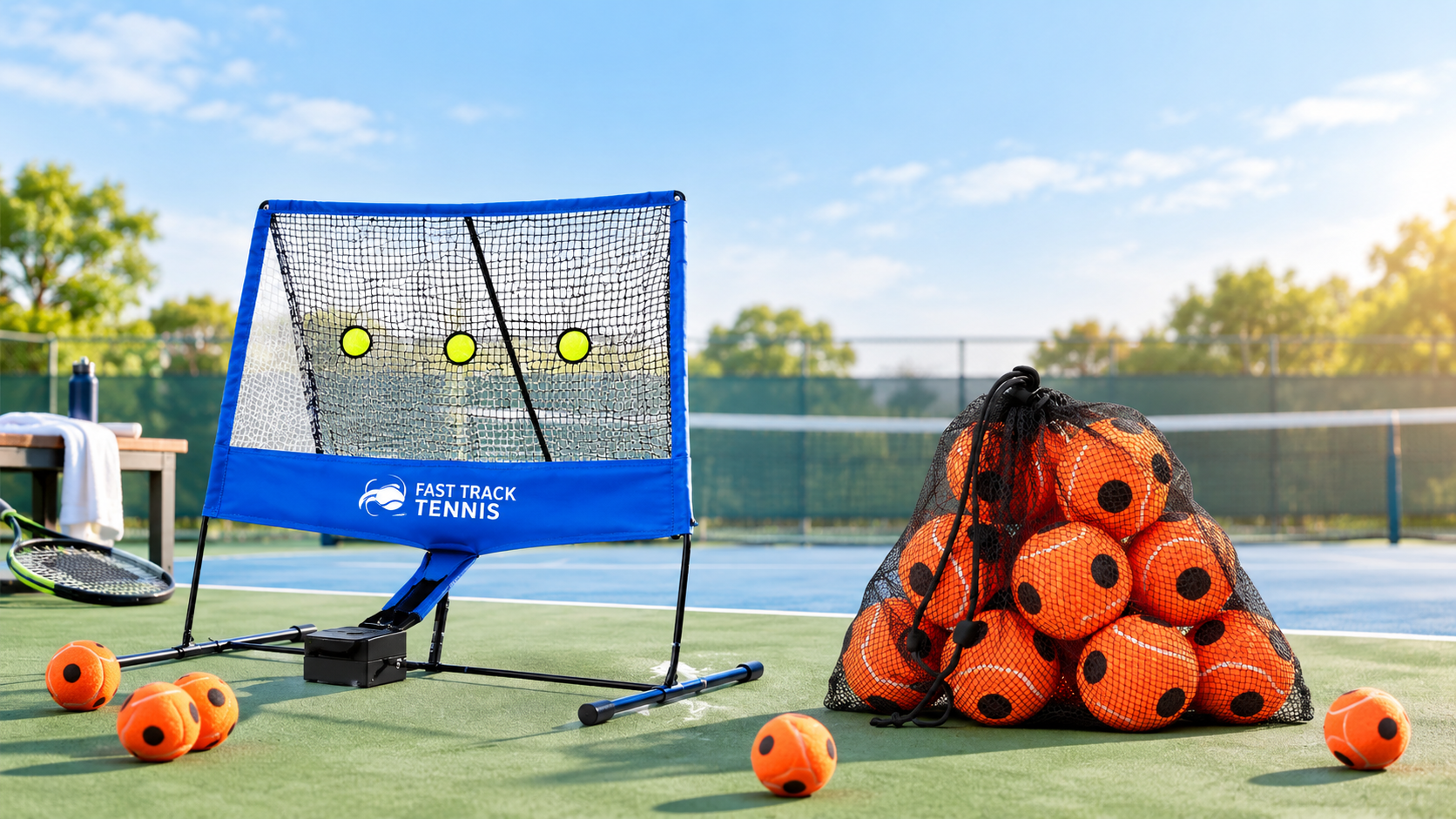
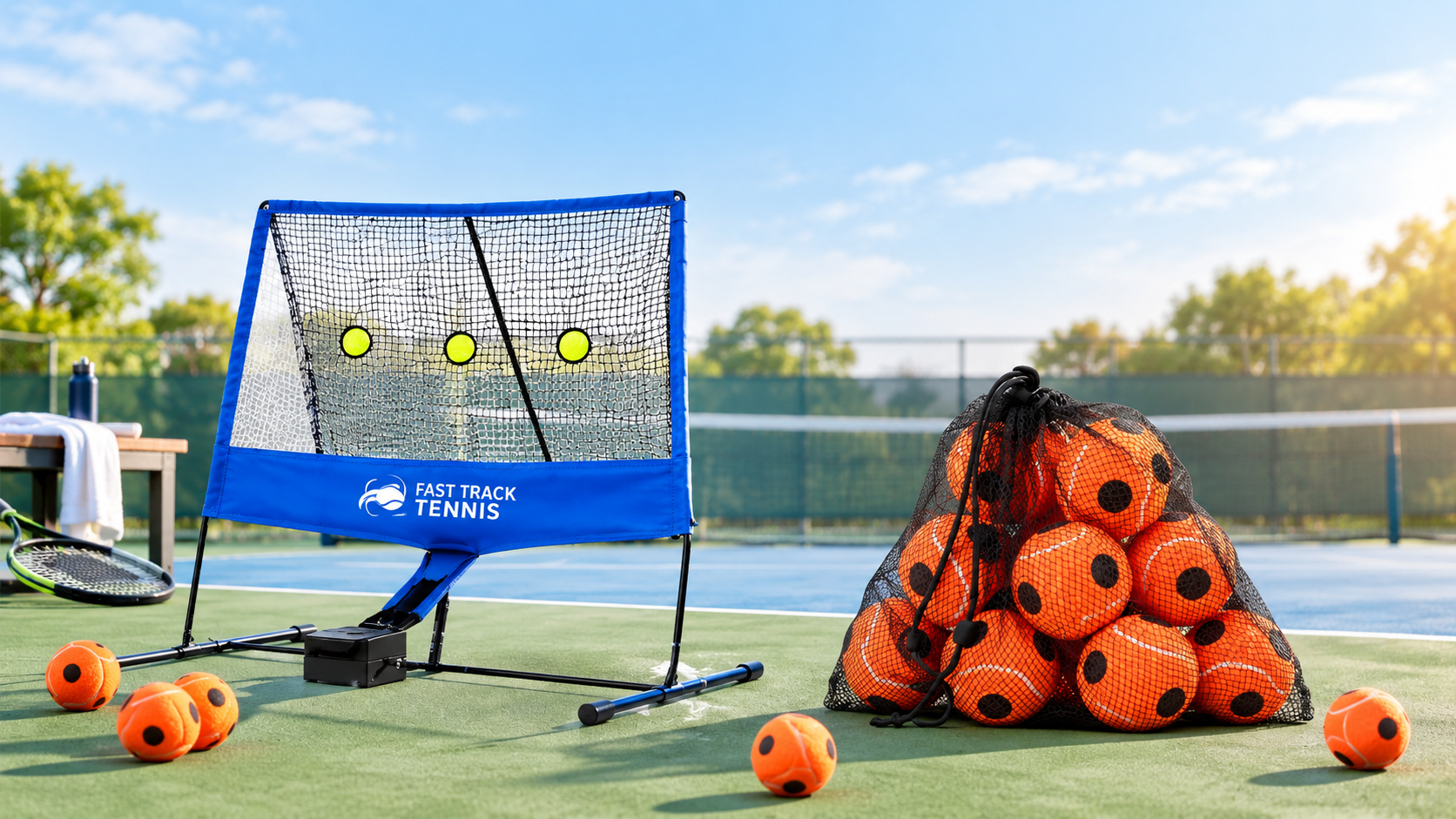
Finding the right tennis training equipment can make it easier to practise regularly, improve your technique, and work on specific weaknesses. From tennis balls and rebound nets to training machines, there are plenty of options for players at different skill levels. The key is to choose equipment that matches your goals rather than buying products you may rarely use.
Whether you are learning tennis for the first time, coaching junior players, or looking for ways to practise independently, this guide explains what to consider before buying tennis training gear.
What Tennis Training Equipment Do You Really Need?
The best equipment depends on what you want to improve. If you are a beginner, start with basic items that help you develop control and movement. If you already play regularly, you may want products that allow you to repeat drills, practise alone, or make sessions more challenging.
Before purchasing anything, think about three questions:
-
What part of your game needs the most practice?
-
Where will you use the equipment?
-
How often will you train?
Answering these questions can help you spend your budget on useful products instead of unnecessary accessories.
1. Tennis Training Balls for Repeated Drills
Tennis training balls are among the most useful items for regular practice. They can be used for groundstrokes, volleys, serving drills, and exercises that develop hand-eye coordination.
Players should choose balls according to their age, ability, and training needs. Lower-compression balls can help beginners and younger players learn timing at a more manageable pace, while standard tennis balls are suitable for many regular practice sessions.
Coaches, clubs, and frequent players may find bulk tennis balls more convenient because they can keep enough balls available for group drills and repeated exercises. Compare the type, quantity, durability, and price per ball before ordering.
2. A Tennis Rebounder Wall for Solo Practice
Finding a hitting partner is not always easy. A tennis rebounder wall or rebound net can provide another way to practise without arranging a full session with someone else.
Depending on the design and setup, rebound equipment can help you work on contact, timing, control, and consistency. Portable rebound nets may also suit people who want to practise in a suitable backyard or other private training space.
Check the net dimensions, frame stability, setup instructions, and space required for safe use. Remember that a rebounder provides repeated practice but cannot reproduce every shot, spin, or decision you face during a real match.
3. Is a Tennis Training Machine Worth Buying?
A tennis training machine can be helpful for players who want repeated ball feeds without a partner. Depending on the model, it may offer different feeding speeds, directions, or intervals.
This type of tennis training equipment can support drills for groundstrokes, reaction time, movement, and consistency. However, not every machine offers the same settings, so review its specifications before making a decision.
If you train only occasionally, basic balls and a rebounder may be enough. If you practise frequently and need more controlled repetitions, a machine may be worth considering. Compare its cost, portability, power requirements, and maintenance needs with your actual training routine.
4. Explore Fast Track Tennis Training Options
Fast track tennis training options may appeal to players who want a more structured way to practise. Depending on the product, a tennis feedback system can help players focus on particular aspects of their hitting and review their practice.
Before choosing a system, check what feedback it provides, whether it works with your device, and what accessories are included. Look for features that support your current goals rather than assuming that more features automatically lead to better results.
5. Small Accessories That Improve Training Sessions
You do not need expensive equipment to make practice more organised. Simple accessories can help you plan drills and work on movement.
Useful options include:
-
Training cones: Mark positions for footwork and recovery drills.
-
Target markers: Give you a clear area to aim for during controlled hitting.
-
Ball bags or baskets: Keep tennis balls organised between exercises.
-
Portable training nets: Help create a practice area where space and conditions allow.
Choose accessories that are easy to set up, safe to use, and appropriate for your playing surface.
How to Choose Equipment for Your Budget
Start with the products you will use most often. A beginner might prioritise tennis training balls and simple movement accessories. A player practising alone could consider a rebounder, while a frequent player may benefit from a more advanced training machine.
Check product dimensions, included accessories, delivery costs in Australia, warranty terms, and replacement-part availability where applicable. Read product descriptions carefully and compare similar items before purchasing.
You can also browse the range available from Tennis Assist to compare training products and select options that suit your practice space, playing level, and budget.
Make Every Practice Session More Useful
Good equipment works best when you have a clear plan. Begin with a warm-up, spend time on one or two skills, and finish by reviewing what needs improvement. For example, use cones for movement, tennis balls for controlled hitting, and a rebounder for solo practice.
Keep your sessions manageable and practise consistently. As your technique and confidence improve, you can add more challenging drills or equipment that supports your next goal.
Frequently Asked Questions
What is the best tennis training equipment for beginners?
Beginners can start with suitable tennis balls, cones, and a safe area for basic hitting and movement drills. A rebounder may be a useful next purchase for independent practice.
Can I use a tennis rebounder without a partner?
Yes. A suitable rebounder can return the ball so you can practise hitting repeatedly. Choose a stable setup and allow enough room around it.
Should I buy bulk tennis balls?
Bulk tennis balls can be a practical option for coaches, clubs, schools, and players who use many balls during practice. Compare ball specifications and the total cost before ordering.
Do I need a tennis training machine?
Not necessarily. A machine can provide repeated feeds, but many players can make progress with basic equipment and structured drills. Choose one if its features suit your training needs and budget.
How often should I use tennis training equipment?
Use your equipment as part of a consistent routine that suits your fitness and skill level. Include warm-ups, allow recovery when needed, and increase training intensity gradually.

 Bangla