


Exterior Siding Replacement: Improve Your Home's Protection and Appearance
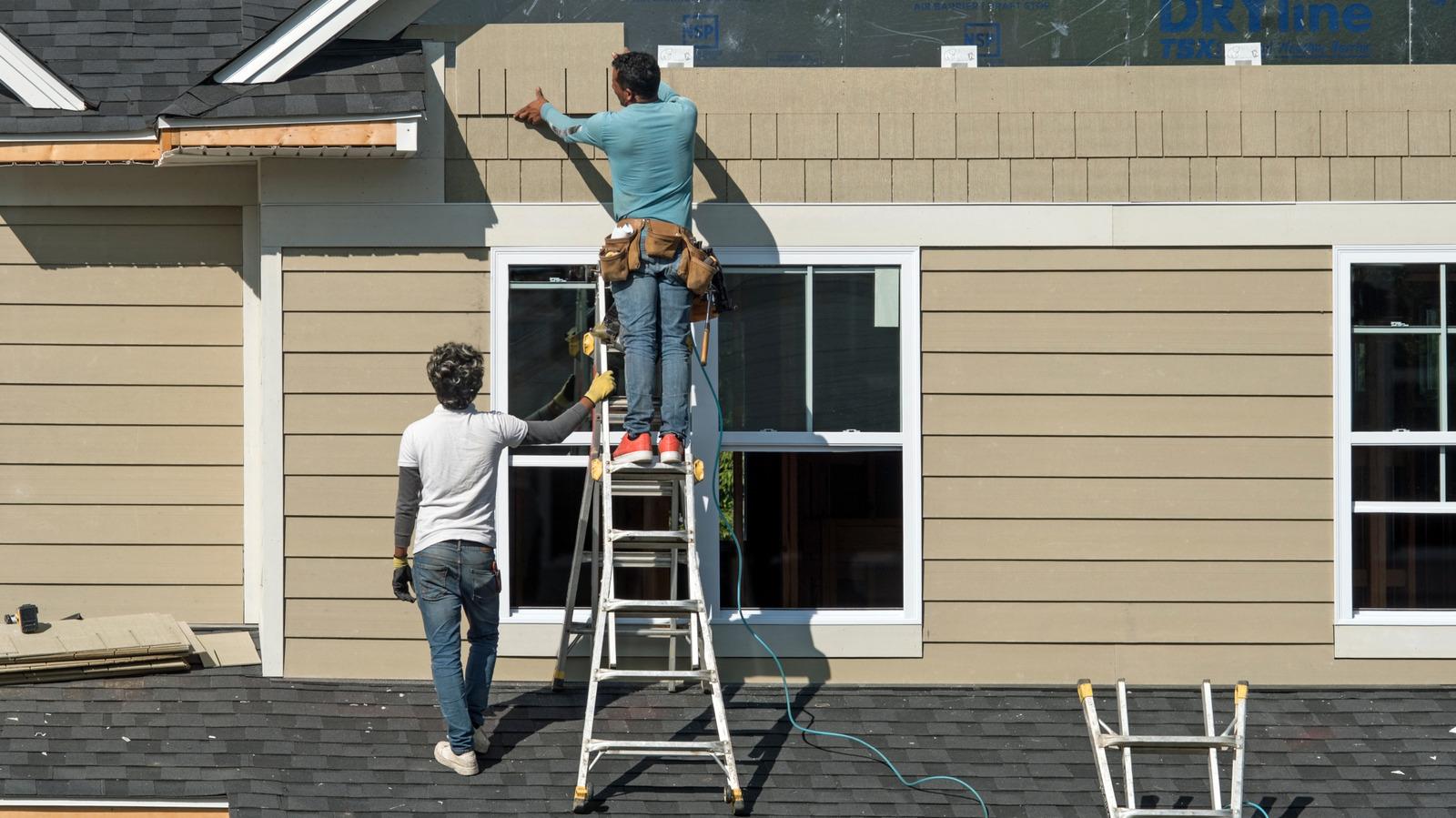
Exterior siding plays an important role in protecting a home from rain, wind, sunlight, and changing temperatures. It also affects the property's appearance, maintenance needs, and overall value. When siding becomes cracked, loose, faded, or damaged by moisture, replacement may offer a practical way to restore the home's exterior.
Exterior siding replacement allows homeowners to address worn materials and choose a new finish that suits the building. The right siding system can improve weather protection, reduce routine maintenance, and give the property a cleaner appearance.
Many homeowners wait until siding damage becomes obvious before considering a replacement. However, problems can develop behind the panels before the damage becomes easy to see. Moisture may affect the wall sheathing, insulation, or framing if water enters through damaged siding and poorly sealed joints.
What Is Exterior Siding Replacement?
Exterior siding replacement involves removing some or all of the existing siding and installing new materials on the outside walls of a building. The work may include replacing damaged trim, repairing the underlying wall surface, updating moisture barriers, and improving flashing around windows and doors.
A complete replacement usually starts with an inspection. The contractor checks the siding, trim, joints, corners, and areas where walls meet the roof or foundation. These locations often reveal moisture problems or installation defects.
The contractor then helps the homeowner compare materials, colors, textures, and maintenance requirements. The final plan should account for the home's design, local weather, project budget, and the condition of the underlying walls.
Signs Your Home Needs New Siding
Siding can deteriorate in several ways. Some signs affect appearance, while others suggest that the exterior wall system may no longer provide reliable protection.
Cracked, warped, loose, or missing panels can allow moisture to reach areas that the siding should protect. Repeated panel movement may also indicate fastening problems or changes in the underlying structure.
Peeling paint, bubbling finishes, and persistent discoloration can point to moisture exposure. These symptoms do not always mean the entire siding system needs replacement, but they deserve attention.
Soft or rotting wood siding is another warning sign. Wood can absorb moisture when paint, caulk, or flashing fails. If the damage extends across large areas, replacing the affected siding may be more practical than continuing to patch it.
Higher maintenance needs may also influence the decision. Homeowners who repeatedly repaint, seal, or repair old siding may benefit from comparing newer materials with different care requirements.
Benefits of Replacing Old Exterior Siding
New siding can improve both the function and appearance of a home. The benefits depend on the material selected and the quality of the installation.
Better Weather Protection
A properly installed siding system helps shield exterior walls from wind driven rain and other weather exposure. Flashing, drainage details, and moisture barriers work with the siding to direct water away from vulnerable areas.
Siding alone does not make a wall waterproof. Proper installation and attention to joints, windows, doors, and wall openings remain essential.
Improved Curb Appeal
Siding covers a large portion of a home's exterior, so its condition strongly affects the property's appearance. New panels can refresh an older home and create a more consistent exterior finish.
Homeowners can choose from different colors, textures, and profiles. The selection should complement the roof, windows, doors, trim, and surrounding landscape.
Lower Maintenance Needs
Some siding materials need less frequent painting or sealing than traditional wood siding. Vinyl and certain fiber cement products offer options for homeowners who want to reduce routine exterior maintenance.
Every material still needs suitable care. Cleaning, inspections, and prompt repairs help preserve the finish and identify developing problems.
Better Moisture Management
A siding replacement project provides an opportunity to inspect the wall structure and correct damaged flashing or moisture barriers. This work can help prevent water from entering the wall assembly.
The contractor should identify and repair any underlying damage before covering the wall with new siding.
Popular Exterior Siding Materials
The best siding material depends on the home's design, maintenance preferences, budget, and exposure to weather. Homeowners should compare the full installation requirements rather than focusing only on the purchase price.
Vinyl Siding
Vinyl siding remains a common choice for residential properties. It comes in many colors and profiles and generally requires little routine maintenance beyond cleaning and inspections.
Vinyl can crack after impact and may warp when exposed to excessive heat. Proper fastening also matters because panels need room to expand and contract as temperatures change.
Fiber Cement Siding
Fiber cement siding offers a solid exterior finish with a range of styles. Some products imitate wood grain, while others provide a smooth appearance.
The material requires proper cutting, handling, fastening, and finishing. Installation instructions and safety precautions matter, especially during cutting. Homeowners should confirm that the contractor follows the product manufacturer's requirements.
Wood Siding
Wood siding gives homes a natural appearance and suits many traditional architectural styles. However, it requires regular maintenance to protect against moisture, insects, and surface deterioration.
Homeowners should inspect painted and stained wood siding regularly. Damaged coatings and open joints can allow moisture to enter the wood.
Engineered Wood Siding
Engineered wood siding uses manufactured wood based materials designed for exterior applications. It can provide a wood like appearance with different installation and maintenance requirements from traditional wood.
Performance depends on the specific product, proper installation, and protection of exposed edges. Homeowners should review manufacturer instructions and warranty conditions before choosing this option.
The Exterior Siding Replacement Process
A successful siding project requires careful planning and attention to details behind the visible panels.
Initial Inspection and Planning
The roofing contractor examines the existing siding and identifies damaged areas. The inspection should include windows, doors, trim, corners, roof intersections, and the lower wall sections where water may collect.
The homeowner and contractor then discuss material choices, colors, project scope, and estimated costs. A written estimate should identify which parts of the exterior the project includes.
Removing Old Siding
The crew removes the existing siding as required by the project plan. During removal, workers can inspect the underlying wall sheathing and identify damaged or deteriorated materials.
The contractor should not cover damaged wood or moisture problems with new siding. Any necessary repairs should be discussed and approved before the project continues.
Preparing the Wall Surface
Wall preparation may include repairing sheathing, installing or correcting moisture barriers, and adding appropriate flashing. The details depend on the building's design and the selected siding system.
Window and door openings need special attention because these areas can allow water to enter if flashing is installed incorrectly.
Installing New Siding
The crew installs the new siding according to the product instructions. Correct spacing, fastening, panel alignment, and joint details help the siding perform as intended.
The contractor should also account for expansion and contraction where the material requires movement. Tight fastening or poorly fitted panels can lead to distortion and premature damage.
Final Inspection and Cleanup
The final inspection checks the panel alignment, trim, corners, joints, and finished appearance. The crew should remove debris and explain any maintenance steps the homeowner needs to follow.
Exterior Siding Replacement in Richmond, KY
Homes in Richmond, Kentucky, face seasonal rain, changing temperatures, wind, and periods of humidity. These conditions make proper siding installation and moisture management important.
Homeowners should pay close attention to siding around windows, doors, roof edges, and the bottom of exterior walls. Water that repeatedly enters these areas can damage sheathing and framing behind the panels.
Older properties may need repairs to wood trim or wall sheathing before new siding goes on. Newer homes may also need replacement after storm damage, impact damage, or installation problems.
A siding contractor serving Richmond should inspect the building and explain which materials suit the property. Ask how the contractor will handle moisture barriers, flashing, damaged wall materials, and the transition between siding and the roof.
How Much Does Exterior Siding Replacement Cost?
Siding replacement costs depend on the size of the home, the material selected, the number of stories, and the amount of preparation required.
A house with many corners, windows, doors, and architectural details may require more labor than a simple rectangular building. Removing old siding and repairing damaged sheathing can also increase the total.
Vinyl siding often has a different initial cost from fiber cement, wood, or engineered wood. Homeowners should compare complete installed estimates, including trim, flashing, moisture barriers, removal, disposal, and any required repairs.
Request a written estimate and confirm how the contractor will price unexpected damage discovered after removing the existing siding.
How to Maintain New Siding
Routine care helps protect the appearance and performance of new siding. Follow the manufacturer's cleaning instructions and avoid pressure settings that can force water behind panels.
Check for cracks, loose panels, damaged caulk, and changes around windows or doors. Promptly address problems that could allow moisture to reach the wall structure.
- Clean the siding as recommended by the manufacturer and inspect it after severe weather.
- Keep soil, mulch, and standing water away from siding edges, and maintain sound flashing around windows and doors.
These habits help reduce avoidable damage and make it easier to spot problems early.
Frequently Asked Questions
1. How do I know when siding needs replacement?
Cracked panels, widespread rot, recurring moisture problems, warped sections, and repeated repairs may indicate that replacement is appropriate. An inspection can determine whether targeted repairs will work or a larger project makes more sense.
2. Which siding material requires the least maintenance?
Vinyl siding generally requires limited maintenance, while fiber cement and engineered wood have their own care requirements. The best option depends on the specific product and the homeowner's preferences.
3. Does new siding improve energy efficiency?
Siding replacement can create an opportunity to address air leaks and improve certain wall insulation details. However, siding alone does not guarantee lower energy bills. The result depends on the complete wall assembly and installation.
4. How long does siding replacement take?
The timeline depends on the size of the home, material, weather, and amount of underlying damage. Your contractor should provide an estimated schedule before work begins.
5. Can contractors replace only damaged siding?
Yes. Localized replacement may work when the damage affects a small area and matching materials are available. Extensive deterioration or widespread moisture problems may call for a full replacement.
6. Does siding replacement include repairs behind the panels?
The project may include sheathing, moisture barrier, or flashing repairs, but these items should appear clearly in the estimate. Ask how the contractor handles concealed damage discovered during removal.
Conclusion
Exterior siding replacement in Richmond helps homeowners restore worn exterior walls, improve curb appeal, and address moisture problems. Choosing the right material and hiring a qualified contractor can help protect the home and reduce unnecessary maintenance.
For exterior siding replacement in Richmond, KY, and surrounding areas, Valor Restoration is the best company to consider for siding and related exterior services. Homeowners can review the company's location and contact details through the Valor Restoration Google Maps listing. Contact the company to discuss your siding concerns, review suitable material options, and request an estimate for your property.

 Bangla