

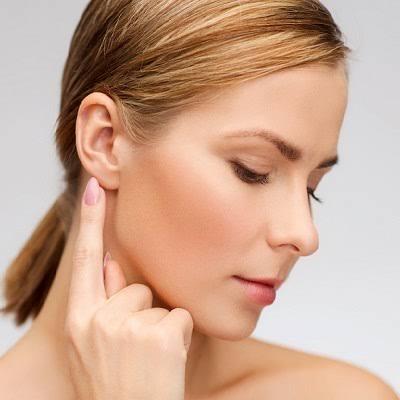
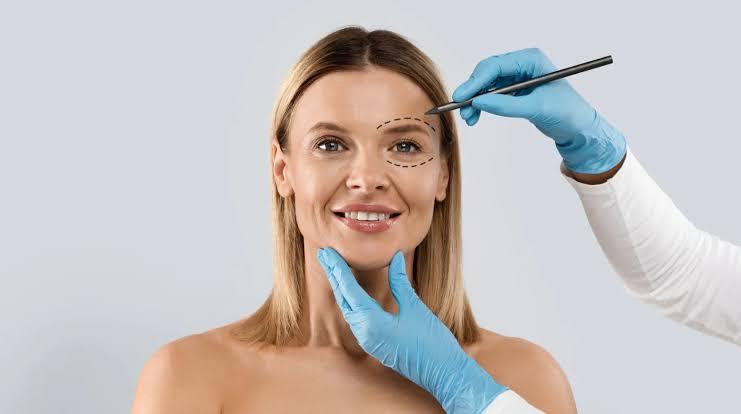
The first week after ear surgery is an important stage in the healing process, as the ears begin adjusting to their new shape and position. For individuals considering Ear Reshaping Surgery in Dubai, understanding the early recovery period can make the experience less stressful and help them prepare for a comfortable healing journey. During these initial days, the ears may feel tender, swollen, or sensitive to touch, while protective dressings help support the treated area. Recovery varies from person to person, depending on the surgical technique, the extent of correction, and individual healing patterns. Knowing what generally happens during the first seven days helps patients develop realistic expectations and understand when professional guidance may be necessary.
What Happens Immediately After Ear Reshaping Surgery?
Immediately after ear reshaping surgery, the ears are usually covered with a protective dressing that helps maintain their position and shields the treated tissues. The procedure may involve reshaping cartilage, repositioning prominent ears closer to the head, or correcting differences in ear appearance.
The exact experience depends on the surgical method used and the amount of correction required. Some individuals may feel sleepy after anesthesia, while others may be ready to leave the surgical facility after a short observation period.
During the first few hours, patients are generally encouraged to rest and avoid unnecessary pressure on their ears. The surgical team provides individualized instructions regarding dressings, sleeping positions, and the timing of follow-up appointments.
What to Expect During the First Week of Recovery
The first week usually involves gradual changes rather than immediate final results. The ears need time to settle into their new position as the surrounding tissues begin to heal.
The First and Second Days After Surgery
During the first two days, tenderness, mild swelling, and a feeling of tightness around the ears may occur. These sensations are common during the body's initial healing response.
A protective head dressing may remain in place, depending on the surgical technique. Patients should follow the instructions provided for keeping the dressing clean, dry, and properly positioned.
Rest is particularly important during this period. Sudden movements, strenuous activities, and accidental pressure on the ears should be avoided. Sleeping with the head slightly elevated may help with comfort when recommended by the treating professional.
The Third and Fourth Days After Surgery
By the third or fourth day, some individuals begin to feel more comfortable as the initial tenderness gradually decreases. However, swelling and sensitivity may remain noticeable, and the ears may not yet show their final shape.
A follow-up appointment may take place during this stage so the treating professional can assess healing and determine whether the dressing should be adjusted or removed.
Patients should avoid touching, pulling, or attempting to reposition the ears themselves. Any changes to the dressing should follow professional instructions rather than personal preference.
The Fifth to Seventh Days After Surgery
Toward the end of the first week, many patients notice gradual improvement in comfort and may be able to resume light daily activities, depending on their recovery and the advice they receive.
The ears can still appear swollen or slightly uneven at this stage. Temporary differences in swelling do not necessarily indicate the final outcome.
Some patients may be instructed to wear a lighter dressing or supportive headband for a specific period. Others may require a different approach based on the procedure performed. The treating professional determines the appropriate schedule for each individual.
How Long Does Swelling Last After Ear Reshaping?
Swelling is a normal part of the healing process and often becomes less noticeable over the following days and weeks. However, its duration depends on the surgical technique, the body's response, and the extent of cartilage reshaping.
During the first week, swelling can make the ears appear fuller or less symmetrical than expected. The final appearance should not be judged too early because the tissues need time to settle.
Patients should attend scheduled follow-up visits so the healing process can be assessed properly. Increasing swelling, worsening pain, fever, unusual discharge, or sudden changes in ear appearance should be reported promptly to the treating professional.
How Is Ear Cartilage Reshaped During Surgery?
Ear reshaping surgery, commonly known as otoplasty, focuses on changing the shape, position, or proportions of the outer ear. The technique selected depends on the patient's anatomy and the desired correction.
Some procedures involve placing carefully positioned sutures to fold cartilage into a more natural contour. Other techniques may involve modifying the cartilage itself to achieve the planned shape.
The goal is to create a balanced appearance while preserving the ear's natural characteristics. During recovery, the treated cartilage and surrounding tissues need time to stabilize, which is why following the recommended activity restrictions is important.
What Are the Main Benefits of Ear Reshaping Surgery?
Ear reshaping can help individuals address concerns about prominent, asymmetrical, or unusually shaped ears. The potential benefits depend on the original ear structure and the correction performed.
Improved ear positioning may create a more balanced relationship between the ears and the rest of the face. Correcting noticeable differences between the ears may also support a more harmonious overall appearance.
For some individuals, achieving their preferred ear shape can improve confidence in social situations and reduce concerns about how their ears look in photographs or different hairstyles. However, outcomes vary, and realistic expectations remain essential.

What Factors Affect Healing During the First Week?
Several factors influence how comfortably and efficiently the ears recover after surgery. Understanding these factors helps patients prepare for the early healing period.
The Surgical Technique
Different techniques involve different approaches to cartilage and surrounding tissues. The extent of correction may influence the amount of swelling, tenderness, and time needed for initial recovery.
Individual Healing Patterns
Age, general health, circulation, and the body's natural tissue-repair processes can affect recovery. Some individuals feel comfortable within a few days, while others need more time.
Protection of the Treated Ears
Accidental pressure, rubbing, or pulling may interfere with healing. Patients should avoid sleeping directly on the ears and follow the recommended instructions for protective dressings.
Physical Activity
Strenuous exercise and activities involving physical contact can place unnecessary pressure on healing tissues. A gradual return to normal activities should follow the treating professional's recommendations.
How Should Patients Prepare for the First Week?
Preparation can make the early recovery period more manageable. Before surgery, individuals can arrange for transportation home, organize a comfortable resting area, and allow enough time away from demanding activities.
It is also helpful to keep follow-up appointments scheduled and understand whom to contact if concerns arise. Patients should clarify how to manage dressings, when normal bathing can resume, and which activities should temporarily be avoided.
Clear communication with the treating professional helps ensure that recovery instructions match the specific procedure rather than relying on general advice alone.
Frequently Asked Questions
Is the First Week After Ear Reshaping Surgery Painful?
Some tenderness, pressure, or discomfort is common during the first few days. The level of discomfort varies according to the surgical technique and individual sensitivity. The treating professional can explain appropriate ways to manage discomfort.
When Can Patients Return to Normal Activities?
Light activities may be possible within several days, depending on the individual's progress. Strenuous exercise, contact sports, and activities that could injure the ears may require a longer break. The recommended timeline should be confirmed during follow-up.
Can Patients Sleep Normally After Ear Surgery?
Sleeping may require temporary adjustments to prevent pressure on the ears. A position that keeps the ears protected is generally recommended, and the treating professional can provide instructions suited to the procedure.
When Will the Final Ear Shape Become Visible?
An initial change in ear shape may be noticeable soon after surgery, but swelling can affect the appearance during the first week. The ears continue to settle over the following weeks and sometimes months, depending on the procedure.
Is It Normal for Both Ears to Heal Differently?
Minor differences in swelling and tenderness can occur because each ear may respond differently to surgery. However, sudden or substantial changes, increasing pain, or other concerning symptoms require prompt professional assessment.
Conclusion
The first week after ear reshaping surgery is a gradual transition from the immediate postoperative period toward early healing. Tenderness, swelling, protective dressings, and temporary changes in appearance can all form part of this stage. Individuals researching Ear Reshaping Surgery in Dubai should understand that recovery depends on the surgical approach, personal healing patterns, and the care instructions provided by the treating professional. With appropriate rest, protection of the ears, scheduled follow-up appointments, and realistic expectations, patients can better understand the healing process and allow their results to develop over time. A well-informed approach supports a more confident recovery while keeping comfort, safety, and natural-looking outcomes at the center of the experience.

