


Travel Agency CRM: Better Ways to Manage Leads and Customers
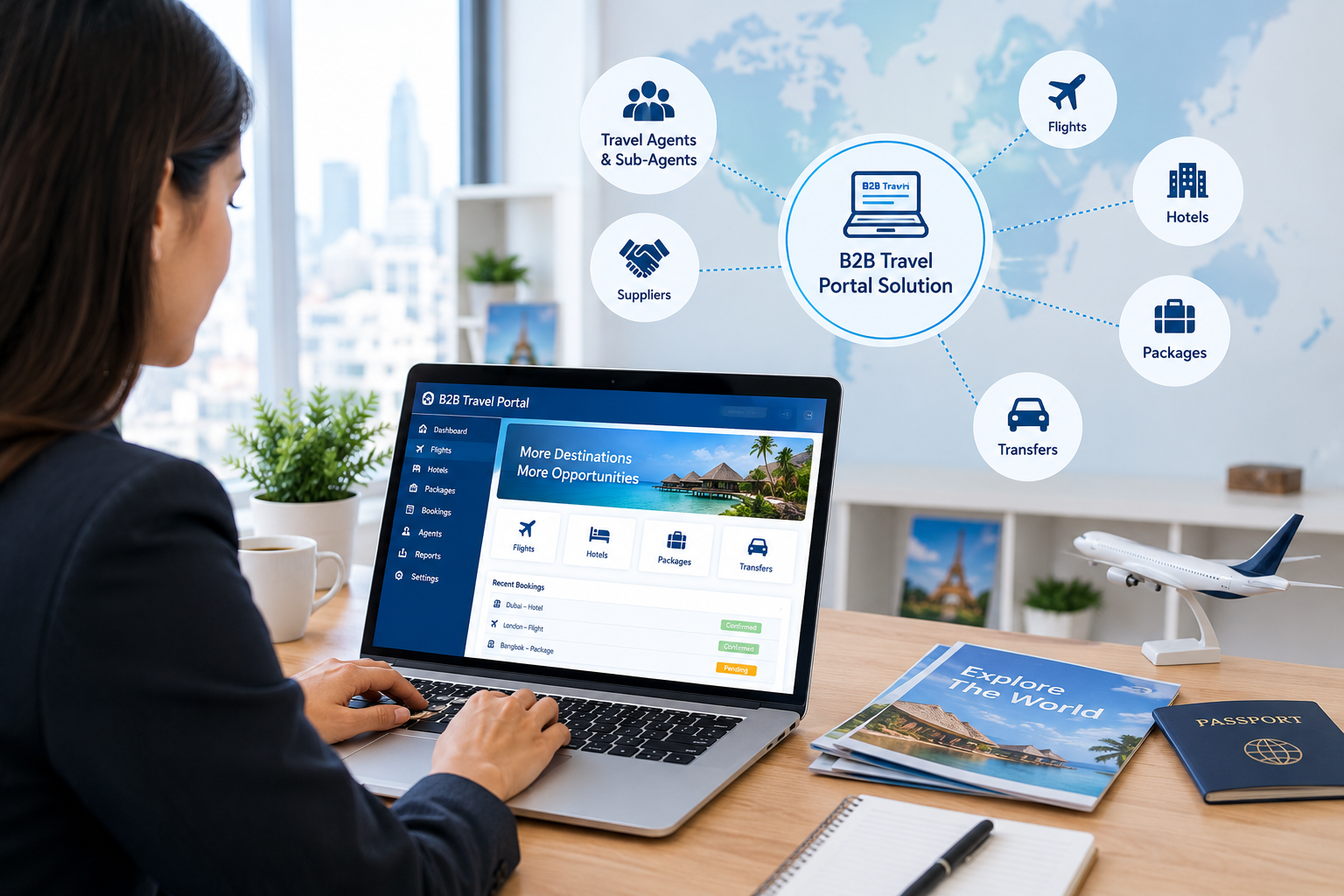
Travel agencies often lose valuable sales opportunities because customer enquiries, quotations, booking details, and follow-up reminders are spread across different tools. An agent might remember a customer's travel preferences but forget to follow up on a quotation, while another employee may struggle to find the latest conversation.
A well-organized customer relationship management system can help solve these problems. Travel Agency CRM software gives travel businesses a central place to manage leads, maintain customer records, monitor sales opportunities, and coordinate communication throughout the booking journey.
The goal is not simply to store contact details. A useful CRM helps travel agents understand what each customer needs, what has already been discussed, and what action should happen next. With the right setup, agencies can improve their sales process while giving customers a more consistent experience.
Why Customer Management Matters in the Travel Business
Travel purchases often involve several conversations before a customer makes a decision. People may compare destinations, request different hotel options, discuss budgets, or ask for changes to their itinerary before confirming a booking.
Without an organized system, these conversations can become difficult to manage, especially when an agency handles enquiries from multiple channels.
A customer management process helps employees maintain a clear record of every opportunity. Agents can see whether a traveller is asking for an initial quotation, reviewing an offer, waiting for a response, or preparing to confirm a trip.
This visibility is useful for small agencies and growing travel businesses alike. Instead of depending entirely on individual employees to remember every detail, the team can work from shared, up-to-date information.
How a CRM Helps Travel Agencies Manage Leads
Lead management begins when a potential customer expresses interest in a travel service. The challenge is to move that enquiry from the first conversation to a confirmed booking without losing important information along the way.
A CRM can organize leads by their current stage. For example, an agency might use stages such as new enquiry, requirements collected, quotation sent, follow-up required, booking confirmed, and not proceeding.
Each stage tells the team what needs attention.
Keep Enquiries in One Place
Customers may contact an agency through its website, email, phone, or messaging platforms. Bringing these enquiries into a central record reduces the need to search through separate conversations.
An agent can review the customer's contact details, preferred destination, travel dates, budget, and previous interactions before responding.
Identify the Next Sales Action
A lead record becomes more useful when it includes a clear next step. This might be preparing a quotation, checking availability, contacting a supplier, or following up with a customer who has not responded.
For agencies evaluating Travel Agency CRM solutions, the priority should be finding a workflow that helps staff organize these actions and track opportunities without adding unnecessary administrative work.
Organizing Customer Information for Better Service
Travel agencies often work with returning customers who have specific preferences. Some travellers prefer particular hotel categories, while others regularly book family holidays, group tours, business trips, or religious travel packages.
A CRM can keep relevant information in a structured customer profile, making it easier for employees to provide appropriate assistance during future enquiries.
Maintain Useful Customer Records
A practical customer profile may include contact information, previous bookings, travel preferences, important communication, and relevant service requirements.
The purpose is to make customer history accessible when it is needed. Agents should not have to ask returning customers to repeat information that the business has already recorded and can appropriately reuse.
Personalize Communication
Customer history can help employees make conversations more relevant. If a returning traveller previously requested family accommodation, an agent can ask whether similar requirements apply to the next trip rather than starting from scratch.
Personalization should always be based on accurate information and appropriate use of customer data. Agencies should avoid collecting unnecessary personal details and ensure that access to customer records is properly controlled.
Improving Quotations and Booking Follow-Ups
Preparing a travel quotation involves gathering requirements, checking suitable options, organizing prices, and explaining what is included. The process can become inefficient when information is scattered across spreadsheets, messages, and separate booking records.
A CRM can connect the enquiry to its quotation history, helping employees understand which options have been offered and what the customer still needs to decide.
For example, a customer requests a holiday package for four people. The agent records the travel dates, preferred accommodation, and budget, then prepares a quotation. After sending it, the agent schedules a follow-up instead of relying on memory.
If the customer asks for a revised package, the team can review the earlier discussion and update the proposal accordingly.
Follow-up automation can also support this process. A system may remind an employee when a quotation has not received a response within a chosen period. The agent can then decide whether to send a relevant message or contact the customer personally.
Automation should support good communication, not create repeated messages that frustrate potential travellers.
Using Automation to Reduce Repetitive Work
Travel agency employees handle many routine activities alongside customer service. These may include entering enquiry details, assigning leads, scheduling reminders, preparing standard responses, and updating sales records.
CRM automation can reduce some of this manual work by applying predefined rules. For example, a new website enquiry could be assigned to a team member, given a follow-up deadline, and placed in the appropriate sales stage.
More advanced systems may use artificial intelligence to summarize conversations, identify important details, or help prepare response drafts.
The most useful automation is usually connected to a specific business problem. If staff frequently miss quotation follow-ups, reminders may be the best starting point. If enquiries arrive without sufficient travel details, a structured information-collection workflow may provide greater value.
Supporting Calls and Customer Conversations
Phone calls remain important when customers need help with complicated itineraries, booking changes, or detailed package requirements. Recording the outcome of a call in the CRM helps the rest of the team understand what was discussed.
An AI voice agent for travel can support initial interactions by collecting basic requirements, responding to suitable routine questions, or directing callers to the appropriate team. Where the technology supports CRM integration, relevant information may also be transferred into the customer record.
Human employees should remain available for sensitive requests, complex travel arrangements, and decisions that require judgment. Any automated information must be checked when accuracy affects pricing, availability, or booking conditions.
Measuring Sales Performance and Team Productivity
A CRM can help managers understand how enquiries move through the sales process. Instead of looking only at completed bookings, they can review activity at different stages and identify where opportunities tend to stall.
For instance, if many customers receive quotations but few proceed, the agency can investigate possible reasons. The problem might involve response times, unsuitable package options, unclear inclusions, pricing expectations, or inconsistent follow-up.
Useful reports may include the number of new enquiries, quotations sent, overdue follow-ups, confirmed bookings, and lead conversion rates.
These figures are most valuable when the information entered into the system is consistent. If employees use different sales stages or leave important fields incomplete, reports may provide a misleading picture.
Managers should therefore establish straightforward processes and review the quality of CRM records regularly.
Choosing the Right System for Your Agency
Not every travel business needs the same features. A small agency may mainly require centralized customer records and follow-up reminders, while a larger operation may need team assignment, automation, reporting, and connections with other business systems.
When evaluating Synch Travel, or any travel technology solution, consider how well its available features match your agency's existing operations and future requirements.
Before making a decision, assess the following areas:
Ease of Use
Employees should be able to find customer information, update lead stages, and record conversations without navigating an unnecessarily complicated interface.
Workflow Flexibility
The system should support the way your agency sells and manages travel. Check whether lead stages, task assignments, and follow-up rules can be configured to suit your business.
Integration Capabilities
Consider whether the CRM can work with the tools your agency already uses, such as enquiry forms, communication platforms, booking systems, or reporting tools. Confirm which integrations are actually available and whether additional setup is required.
Data Security and Access
Customer records contain information that should be protected. Review user permissions, backup arrangements, data-handling practices, and the provider's security documentation before storing sensitive information.
Training and Support
Even a capable CRM can underperform if employees do not know how to use it. Look for clear onboarding, practical training, and support arrangements that fit your team's needs.
Common CRM Mistakes Travel Agencies Should Avoid
Buying software is only one part of improving customer management. The way an agency uses the system has a major influence on the results.
One common mistake is recording too much information without defining what employees actually need. Long, complicated forms can discourage staff from updating records. Focus on the details that support customer service, sales decisions, and booking administration.
Another problem is failing to establish ownership of leads. Every active enquiry should have a clear person responsible for its next action, even when several employees contribute to the booking.
Agencies should also avoid treating automation as a replacement for personal service. Reminders and automated messages can support communication, but customers may still need an experienced agent to explain options, resolve concerns, or adjust a proposal.
Finally, managers should review the process after implementation. If employees repeatedly bypass the CRM, investigate whether the workflow is too complicated or the system does not fit their daily responsibilities.
A Practical Way to Introduce CRM Software
A gradual rollout can make the transition easier for a travel agency.
Start by mapping the current customer journey, from the first enquiry to quotation, follow-up, and booking confirmation. Identify where information gets lost, where tasks are delayed, and which activities require repeated manual effort.
Next, configure a small number of clear lead stages and decide which customer details must be recorded. Assign responsibility for active enquiries and establish sensible follow-up rules.
Train employees using realistic examples from the agency's daily work. Once the team is comfortable with the basic process, introduce additional automation or reporting where it solves an identified problem.
Review progress by looking at record completeness, overdue tasks, response consistency, and how easily staff can find customer information. These practical measures help determine whether the system is improving the way the agency operates.
Conclusion
A well-managed CRM helps travel agencies bring leads, customer records, quotations, and follow-up activities into a more organized process. It gives employees better visibility into each enquiry and helps managers identify where sales opportunities need attention.
The right solution should be easy to use, suitable for the agency's workflow, secure, and flexible enough to support future growth. Automation can improve efficiency, but accurate information and thoughtful customer service remain essential.
For travel businesses looking to improve lead conversion and customer relationships, the best approach is to start with a clear process, select tools that address real operational challenges, and build consistent habits across the team.

 Bangla