


Dental Implants in Islamabad: How Long Does the Complete Treatment Take?
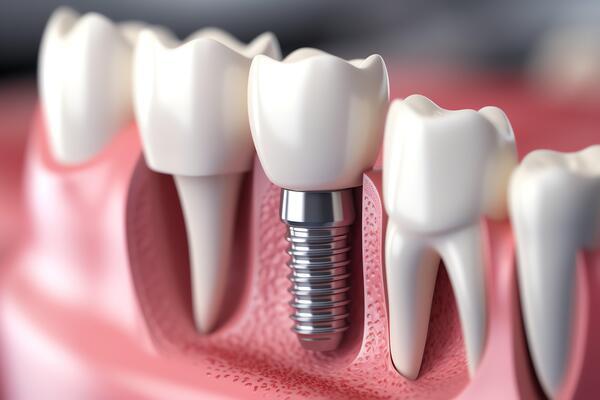
Thinking about dental implants but wondering how many months you will need before enjoying your new smile? It is a common concern, especially if you want to replace missing teeth without putting your daily routine on hold. While some stages happen quickly, the complete process takes longer because the implant needs time to heal and integrate with the jawbone.
The dental implant treatment timeline in Islamabad depends on your oral health, the number of teeth being replaced, and whether additional procedures are necessary. For straightforward cases, treatment may take around three to six months from implant placement to the final restoration, while more complex cases can take six to twelve months or longer.
What Determines the Dental Implant Treatment Timeline?
Dental implants are not usually completed in a single appointment. The process involves an examination, treatment planning, implant placement, healing, and fitting the final crown, bridge, or full-arch restoration.
Your individual healing process determines the schedule. Patients with healthy gums and sufficient jawbone may progress more quickly, while those who need tooth extractions, gum treatment, or bone grafting may require additional time.
The number and location of implants also matter. Replacing one tooth can involve fewer appointments than restoring several missing teeth or an entire arch.
Step 1: Initial Consultation and Dental Examination
The first stage is a consultation with your dentist. They will examine your teeth, gums, bite, and medical history to determine whether implants are suitable for you.
X-rays or a three-dimensional CBCT scan may be recommended to assess bone volume and identify important anatomical structures. These investigations help the dentist plan the implant position and identify any problems that need attention before surgery.
Typical timeframe: One or more appointments over several days or weeks. The exact duration depends on the complexity of your case and whether further tests or specialist assessments are required.
Step 2: Preparatory Treatment, If Needed
Some patients can proceed directly to implant placement, while others need preparatory treatment first. This may include removing damaged teeth, treating gum disease, managing an infection, or rebuilding areas with insufficient jawbone.
If a bone graft or sinus lift is required, the area may need several months to heal before the implant can be placed. In selected cases, grafting and implant placement can be performed during the same procedure.
Typical timeframe: A few weeks to several months, depending on the procedure and healing. Your dentist should explain which preparatory treatments are necessary and whether they will extend the overall timeline.
Step 3: Dental Implant Placement
Once the treatment plan is finalised and the site is ready, the dentist places the implant fixture into the jawbone. The procedure is generally performed under local anaesthesia, although other arrangements may be discussed when appropriate.
The appointment length depends on the number of implants and the complexity of the surgery. Placing a single implant may take considerably less time than placing multiple implants or performing additional procedures.
Typical timeframe: Often around 30–90 minutes for a single implant procedure, although the full appointment may take longer. This is the surgical stage, not the end of treatment.
Step 4: Initial Recovery After Surgery
After implant placement, you may experience some swelling, tenderness, bruising, or minor bleeding. These effects generally improve over several days, although the recovery experience varies between patients.
Your dentist will explain how to clean your mouth, which foods to choose during early healing, and how to take any prescribed medication. You may also have a follow-up appointment to check the surgical site.
Typical timeframe: Around one to two weeks for initial soft-tissue recovery in many cases. Feeling better after a few days does not mean the implant has fully integrated with the jawbone.
Step 5: Healing and Integration With the Jawbone
This stage is often the longest part of dental implant treatment. The implant gradually bonds with the surrounding bone through a biological process called osseointegration, creating the foundation needed to support the replacement tooth.
Healing commonly takes around two to six months, but it may be shorter or longer depending on bone quality, implant stability, the location of the implant, and whether grafting was performed. Your dentist will assess healing before deciding when the final restoration can be fitted.
Typical timeframe: Around two to six months or longer. Some patients receive temporary teeth during this period, but immediate or early loading is suitable only when the clinical conditions allow it.
Step 6: Preparing the Final Crown or Replacement Teeth
After confirming that the implant has healed adequately, the dentist prepares the final restoration. Depending on the treatment, this may involve attaching an abutment, taking impressions or digital scans, and sending the details to a dental laboratory.
The replacement tooth or teeth are designed to fit your bite and blend with your natural smile. In some cases, the dentist may need additional appointments to check the fit, shape, and appearance before final placement.
Typical timeframe: Several days to a few weeks. Laboratory arrangements and the complexity of the restoration can affect how quickly this stage is completed.
Step 7: Final Restoration and Follow-Up
The final stage involves fitting the crown, bridge, or full-arch prosthesis and checking your bite. Your dentist may make small adjustments to improve comfort and ensure that the replacement teeth function properly.
You will also receive instructions for cleaning around the implant and maintaining your restoration. Follow-up visits help the dental team monitor gum health, implant stability, and the condition of the replacement teeth.
The treatment is not complete until the restoration has been fitted and checked. Long-term maintenance remains important even after you have returned to your usual routine.
Complete Dental Implant Treatment Timeline at a Glance
The following estimates provide a general guide for people considering Dental Implants in Islamabad. Your personal timeline may differ depending on the treatment required.
-
Consultation and scans: One or more appointments over several days or weeks.
-
Preparatory procedures: No extra time may be needed, but extractions or bone grafting can add weeks or months.
-
Implant placement: Usually one surgical appointment for the planned implant stage.
-
Initial recovery: Often around one to two weeks.
-
Bone integration: Commonly two to six months or longer.
-
Final crown or prosthesis: Often several days to a few weeks after the implant is ready.
-
Long-term maintenance: Regular dental check-ups and daily oral hygiene after treatment.
For many straightforward cases, the process from implant placement to final restoration takes around three to six months. More complex cases, particularly those involving significant bone grafting or multiple treatment stages, can take six to twelve months or longer.
Can Dental Implants Be Completed Faster?
Some patients may qualify for immediate implant placement or temporary teeth on the same day as surgery. However, same-day teeth do not necessarily mean same-day completion of the entire treatment because the implants may still need months to integrate with the bone.
These approaches depend on factors such as implant stability, bone quality, bite forces, and overall oral health. Your dentist should explain the advantages and limitations before recommending an accelerated treatment plan.
Trying to shorten the timeline when healing is incomplete may compromise the treatment. It is more important to follow a clinically appropriate schedule than to choose a procedure based only on speed.
How Can You Avoid Unnecessary Delays?
Attend your appointments, follow postoperative instructions, and keep the implant area clean as directed by your dentist. Avoid smoking where possible and discuss any medical conditions or medications that may affect healing.
Contact your dentist if you develop worsening pain, increasing swelling, persistent bleeding, fever, or other concerning symptoms. Early assessment of potential complications can help protect your oral health and treatment progress.
Plan Your Dental Implant Journey With Confidence
The complete dental implant process requires careful planning, patience, and regular follow-up. Dynamic Aesthetic Clinic can be a starting point for discussing your treatment needs; ask about the team's relevant dental implant expertise, verifiable qualifications or board certification where applicable, and advanced techniques suitable for your case. A personalised assessment can help you understand your expected timeline, treatment options, and total costs.
Meta Description: Dental Implants in Islamabad: Understand the complete treatment timeline, from consultation and surgery to healing and final teeth.

 Bangla